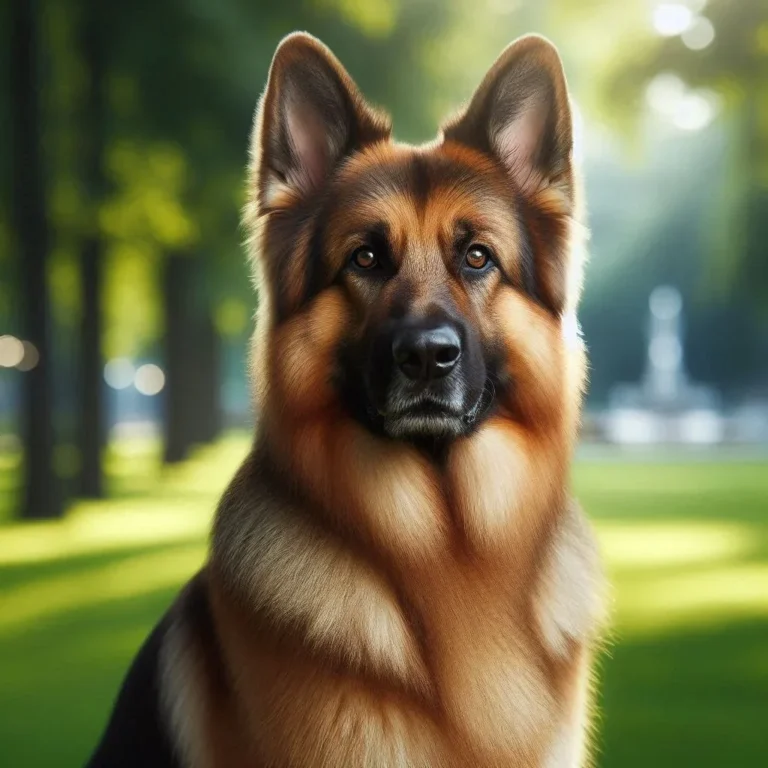
Cute Dog Breeds Unique Features
When you start researching Cute dog breeds with unique body features, the variety is astonishing. From ears that look like little radar dishes to bodies that seem purposely stretched, these lovable companions capture attention not only for their personalities but also for the distinctive traits that set them apart from more conventional pups. In this guide we’ll explore some of the most eye‑catching physical characteristics found across the canine world, explain why they evolved, and give you practical tips for caring for dogs with these special needs. Whether you’re a seasoned owner or a first‑time adopter, understanding the anatomy of these breeds helps you provide the best possible life for your four‑legged friend.
Distinctive Ears That Speak Volumes
Ear shape is one of the first things people notice about a dog, and certain breeds have truly remarkable designs. The French Bulldog, for instance, sports “bat ears” that sit high on the head and stand upright, giving the breed an alert, expressive look. These ears are not just decorative; their erect position helps the Frenchie regulate temperature and channel sound more efficiently—a trait inherited from their working ancestors.
Another ear‑centric breed is the Beagle. Although technically not a “cute” breed for everyone, the Beagle’s long, floppy ears help trap scent particles, enhancing the dog’s legendary tracking ability. When caring for breeds with large or floppy ears, regular cleaning is essential to prevent infections, a tip emphasized by the American Kennel Club (AKC ear care guide).
Unusual Body Length and Low‑Load Structure
Perhaps the most dramatic body variation is the dachshund’s elongated torso. Bred originally to hunt badgers in narrow burrows, the Dachshund features a long spine relative to its short legs, creating a silhouette that’s instantly recognizable. While the look is undeniably cute, the breed is prone to intervertebral disc disease, so owners must manage weight carefully and avoid excessive jumping. Regular core‑strengthening exercises, such as short walks on soft surfaces, can help protect the spine.
Another low‑profile breed is the Basset Hound. Its short legs and long body give it a deliberately ground‑hugging stance, perfect for scent tracking close to the earth. The Basset’s joints are subjected to increased stress, so a diet rich in omega‑3 fatty acids and routine low‑impact activities can sustain joint health throughout the dog’s life.
Wrinkled and Folded Skin: More Than a Cute Look
When you think of wrinkled dogs, the Shar‑Pei often comes to mind. Its deep, honey‑colored folds were originally an adaptation to protect the dog from harsh sun and rain while hunting in the dense forests of southern China. Modern Shar‑Pei owners should be vigilant about skin hygiene; the folds can trap moisture, leading to bacterial infections. Daily gentle cleaning with a mild dog‑safe cleanser and thorough drying are recommended by veterinary dermatologists.
The Pug also boasts characteristic facial wrinkles, known as “pug‑lines.” While adorable, these folds around the muzzle can contribute to breathing difficulties—a condition called brachycephalic obstructive airway syndrome. Prospective owners should research reputable breeders who prioritize health and consider using a muzzle‑training regimen to reduce stress during walks.
Unique Tail and Limb Variations
Tail shape can dramatically affect a breed’s silhouette. The Chinese Crested (hairless variety) often displays a naturally curly tail that balances its sleek, hair‑free body. Because the hairless version lacks a protective coat, owners must keep the skin moisturized and protect the tail from extreme temperatures.
Then there’s the Norwegian Lundehund, an exceptionally rare breed equipped with six toes on each foot (polydactyly) and an expandable fore‑foot joint that lets the dog climb sheer cliffs in pursuit of puffin nests. This breed’s unique anatomy makes it ideally suited for agility training but also requires regular nail trimming to avoid overgrowth that can affect gait.
- French Bulldog – bat‑shaped ears and compact muscular build.
- Dachshund – elongated spine, short legs; prone to back issues.
- Shar‑Pei – deep skin folds; requires diligent skin hygiene.
- Norwegian Lundehund – six toes per paw; exceptional climbing ability.
- Chinese Crested (hairless) – minimal coat; skin care is paramount.
Health‑Forward Care for These Distinctive Breeds
Understanding a breed’s unique body features is the first step toward proactive health management. The U.S. Department of Agriculture (USDA) emphasizes that preventive veterinary care—including regular check‑ups, vaccinations, and parasite control—extends lifespan for all dogs, but it is especially critical for breeds with specialized anatomy.
Here are three universal guidelines that apply to the cute dog breeds highlighted above:
- Weight Management: Maintaining an ideal body condition reduces stress on joints, spines, and the respiratory system.
- Regular Grooming: Whether it’s cleaning ear canals, drying skin folds, or moisturizing a hairless coat, consistent grooming prevents infections.
- Targeted Exercise: Low‑impact activities such as swimming or controlled leash walks protect vulnerable structures while keeping your dog fit.
By integrating these practices into your routine, you’ll give your dog the best chance to thrive despite its unique physical quirks.
Conclusion: Embrace the Charm of Cute Dog Breeds with Unique Body Features
Choosing a cute dog breed with unique body features is both a rewarding and responsible decision. These breeds bring distinct personality traits, eye‑catching looks, and fascinating histories into your home. With thoughtful care—regular veterinary visits, proper grooming, and tailored exercise—you’ll ensure that your companion remains healthy, happy, and full of the charisma that first drew you to them.
Ready to welcome a uniquely charming pup into your life? Explore reputable breeders, adopt from shelters, and start your journey today!
Frequently Asked Questions
Q1. What makes a dog breed’s ears considered unique?
Ear shape varies widely among breeds, influencing appearance and function. Breeds like the French Bulldog have bat‑ears that stand upright, while Beagles have long, floppy ears that help trap scent. These adaptations often reflect the breed’s original working roles.
Q2. How can I prevent back problems in long‑spined breeds like Dachshunds?
Maintain a healthy weight to reduce pressure on the spine and avoid high‑impact activities such as jumping from furniture. Provide a supportive bed and consider short, controlled walks on soft surfaces. Regular veterinary check‑ups can catch early signs of intervertebral disc disease.
Q3. What grooming routine is best for dogs with skin folds?
Clean the folds daily with a mild, dog‑safe cleanser and dry them thoroughly to prevent moisture buildup. Inspect the areas for redness or odor, which may indicate infection. Applying a veterinarian‑approved barrier cream can further protect the skin.
Q4. Are hairless breeds like the Chinese Crested prone to specific health issues?
Yes, hairless varieties can experience skin dryness, sunburn, and higher sensitivity to temperature extremes. Daily moisturizing and limited sun exposure help keep their skin healthy. Regular vet visits are essential to monitor any dermatological concerns.
Q5. How often should I schedule veterinary check‑ups for breeds with distinctive physical traits?
At least once a year for a general wellness exam, but breeds with known health risks may need semi‑annual visits. Discuss a tailored health plan with your veterinarian, focusing on dental, orthopedic, and dermatological checks. Early detection greatly improves long‑term outcomes.