Cute Cats That Love Cuddling
Cute Cats that love cuddling are more than just adorable companions; they are a source of comfort, stress relief, and unconditional affection. When you first meet a cat that seeks your lap, you’ll notice the gentle purrs, the soft kneading, and the way their warm body presses against yours. These cuddly felines thrive on human touch, and their affectionate nature can transform a quiet evening into a cozy bonding experience. In this guide, we’ll explore the science behind cat cuddling, highlight the most affectionate breeds, and share practical tips to make cuddle time safe and enjoyable for both you and your feline friend.
Cute Cats That Love to Snuggle
Not all cats are born with the same level of affection, but many breeds have a natural inclination toward snuggling. According to the American Veterinary Medical Association, cats that receive regular positive touch tend to develop stronger social bonds with their owners. AVMA notes that gentle handling can reduce cortisol levels, the hormone associated with stress. When a cat curls up in your lap, it’s not just seeking warmth; it’s engaging in a behavior that signals trust and comfort. This instinct is rooted in their evolutionary history, where close contact helped kittens stay safe and warm in the wild.
One of the most common signs that a cat is ready for cuddles is the “kneading” motion, where they push their paws against your skin. This behavior, also known as “making biscuits,” is a carryover from kittenhood when they kneaded their mother’s belly to stimulate milk flow. Today, it’s a clear indicator that the cat feels secure and wants to share that sense of safety with you. If you notice this gentle pawing, it’s a green light to offer a soft blanket or a cozy pillow for your feline friend to settle on.
Cute Cats and Their Cuddle Habits
Understanding a cat’s cuddle habits can help you create the perfect environment for bonding. Cats are crepuscular, meaning they are most active during dawn and dusk. During these times, they often seek warmth and companionship. Providing a designated “cat corner” with a plush cushion, a small blanket, and a warm spot near a window can encourage your cat to spend more time in your lap or beside you. The National Geographic’s facts on domestic cats highlight that cats often choose the warmest spots in a room, which is why you’ll frequently find them nestled in a sunny patch or a cozy chair.
Another key factor is the cat’s grooming routine. Cats groom themselves to maintain hygiene, but they also groom each other as a social bonding activity. When a cat licks your hand or face, it’s a sign of trust and affection. This behavior is similar to how cats groom their littermates, reinforcing social bonds. By reciprocating with gentle strokes, you can strengthen the emotional connection and encourage more cuddle sessions.
Cute Cats: The Ultimate Cuddle Buddies
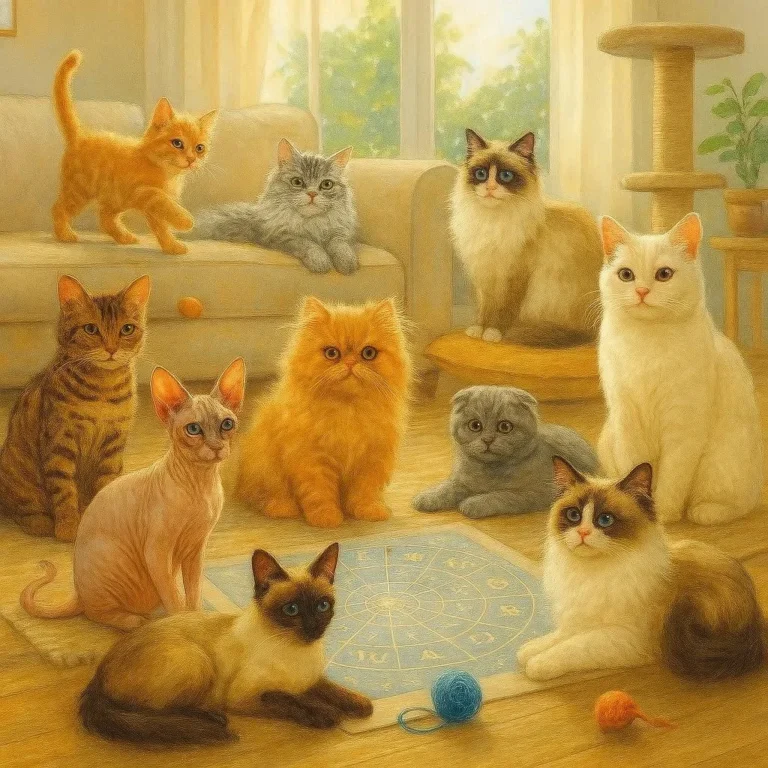
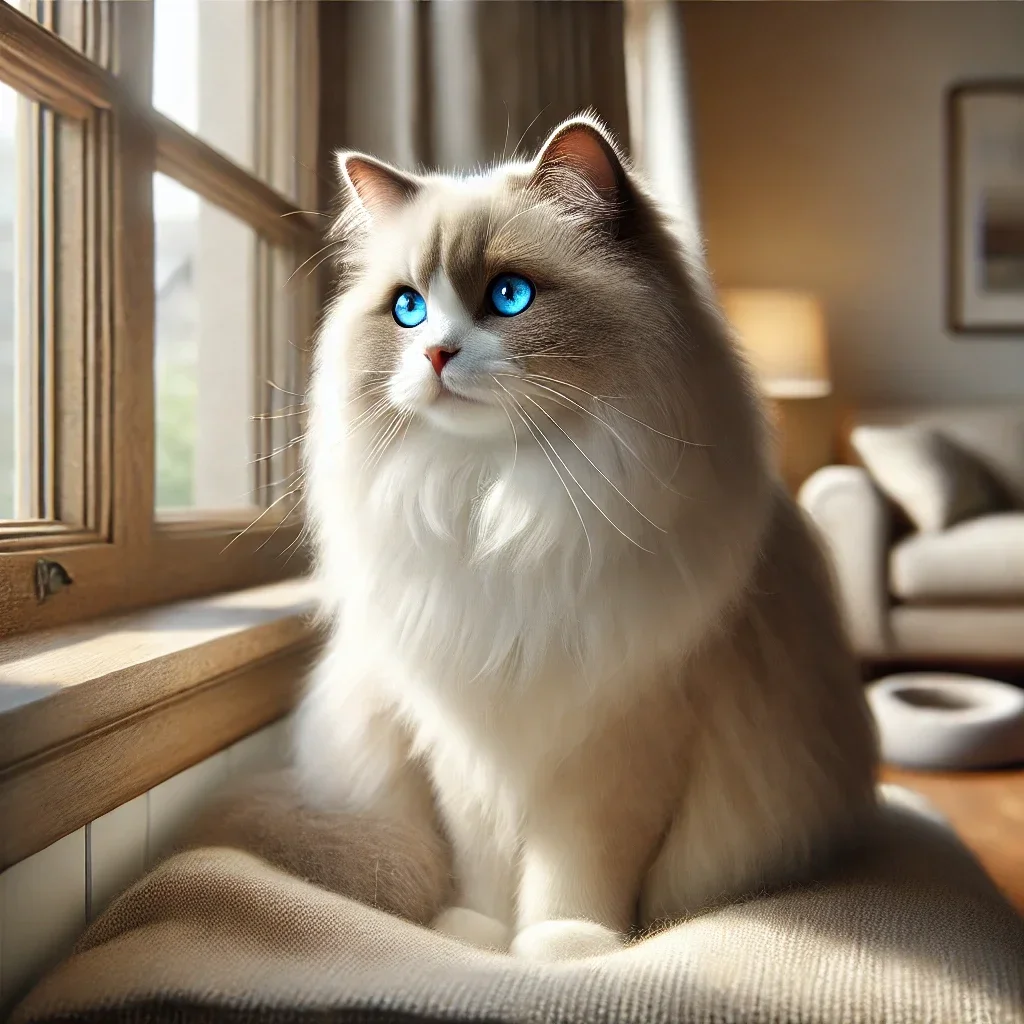
While many cats enjoy affection, certain breeds are renowned for their cuddly nature. The Ragdoll, for instance, is famous for its tendency to go limp when held, earning it the nickname “puppy cat.” These cats are highly social and thrive on human interaction. The British Shorthair is another affectionate breed, known for its calm demeanor and love of lap time. If you’re looking for a cat that will happily curl up on your chest, consider these breeds.
Other breeds that excel at cuddling include the Maine Coon, which is large and gentle, and the Persian, known for its luxurious coat and calm personality. However, it’s important to remember that individual temperament can vary even within a breed. A friendly, affectionate cat can be found in any breed if you give it the right environment and socialization.
Cute Cats: Tips for Cuddle Time
To ensure a safe and enjoyable cuddle experience, follow these cat cuddling tips:
- Respect boundaries: If your cat pulls away or shows signs of discomfort, give them space.
- Use a soft blanket: A lightweight blanket can provide warmth and comfort.
- Maintain a calm environment: Avoid loud noises or sudden movements that could startle your cat.
- Offer treats: A small treat can reinforce positive cuddle behavior.
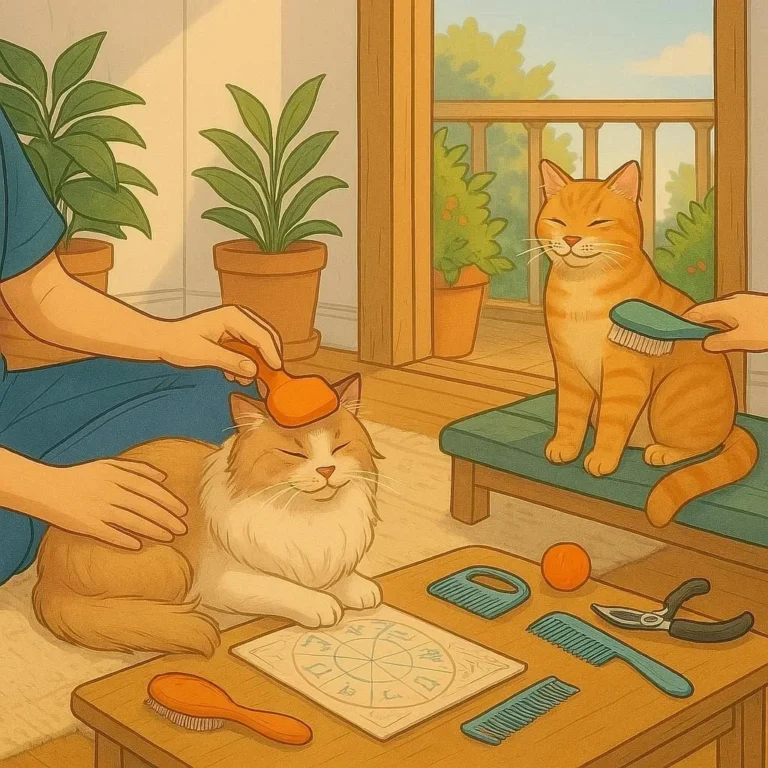
- Keep grooming tools handy: A gentle brush can help keep your cat’s fur smooth and reduce shedding.
Additionally, consider using a cat-specific calming spray or diffuser, such as those containing feline pheromones. These products can help reduce anxiety and encourage a relaxed state, making cuddle sessions more enjoyable for both of you. The Cornell University College of Veterinary Medicine recommends these products for cats that experience stress during handling.
List of Cuddle‑Friendly Cat Breeds
- Ragdoll
- British Shorthair
- Maine Coon
- Persian
- Sphynx
- Scottish Fold
- Birman
- American Shorthair
These breeds are known for their affectionate nature, but remember that each cat is unique. A well-socialized kitten can become a lifelong cuddle buddy regardless of its breed.
Conclusion
Embracing the cuddle culture of cute cats can bring immeasurable joy and companionship into your life. By understanding their natural behaviors, respecting their boundaries, and creating a cozy environment, you’ll foster a deep bond that lasts for years. Whether you’re a seasoned cat owner or a first‑time adopter, the rewards of a warm, affectionate feline friend are undeniable. If you’re ready to experience the bliss of a cat that loves cuddling, consider adopting one of the breeds listed above or visiting your local shelter to meet a friendly, affectionate cat waiting for a loving home. Start your cuddle journey today and discover the therapeutic power of a purring companion!
Frequently Asked Questions
Q1. What makes a cat a good cuddle buddy?
A good cuddle buddy is a cat that shows trust and comfort through behaviors like kneading, purring, and seeking warmth. These cats often have a calm temperament and enjoy gentle handling. They also tend to have lower cortisol levels when touched, which indicates a relaxed state. Owners notice that such cats are more likely to stay in lap or on the couch for extended periods. Their affectionate nature makes bonding sessions enjoyable for both.
Q2. How can I encourage my cat to cuddle?
Start by offering a soft blanket or pillow in a warm spot near a window. Use gentle strokes and speak in a soothing voice to build trust. Reward cuddling with treats or play to reinforce positive behavior. Avoid forcing contact; let the cat approach at its own pace. Over time, consistent positive interactions will encourage more cuddle time.
Q3. Are there any breeds that are naturally more affectionate?
Yes, breeds such as the Ragdoll, British Shorthair, Maine Coon, Persian, and Sphynx are known for their love of lap time. These cats often display relaxed postures and enjoy being held. However, individual temperament can vary, so a well-socialized kitten can become a cuddle buddy regardless of breed. Breeds with a calm demeanor tend to thrive on human interaction.
Q4. What should I do if my cat pulls away during cuddle time?
Respect the cat’s boundaries by giving it space and not forcing contact. Observe for signs of discomfort, such as flattened ears or a twitching tail. Offer a gentle touch or a treat to reassure the cat. If the behavior persists, consider consulting a veterinarian to rule out pain or health issues. Patience and gentle encouragement usually restore the bond.
Q5. Can cat cuddling help reduce stress for humans?
Absolutely. The rhythmic purring of a cat can lower heart rate and reduce blood pressure. Studies show that gentle petting releases oxytocin, the “bonding hormone,” in both cats and humans. Regular cuddle sessions can also decrease cortisol levels, the stress hormone. Many people report feeling calmer and more relaxed after spending time with a cuddly cat.