Cute Cats Known for Loyalty
Cute cats have long captured our hearts, but not all feline companions are created equal. While some cats may seem aloof or independent, a select group of breeds and individuals exhibit remarkable loyalty, forming deep bonds with their human families. Understanding the traits that make these cats stand out can help you choose the right companion and nurture a lasting relationship. In this guide, we’ll explore why loyalty matters in cats, highlight the top loyal cat breeds, examine the behavioral traits that signal devotion, and offer practical tips for fostering a strong bond with your feline friend.
Why Loyalty Matters in Cats
When we think of loyalty, we often picture dogs, but cats can be equally devoted. Loyal cats provide emotional support, reduce stress, and create a sense of security for their owners. According to research from the Cornell University College of Veterinary Medicine, cats that engage in regular social interactions with humans exhibit lower cortisol levels, indicating reduced anxiety. This demonstrates that a loyal cat’s presence can have tangible health benefits for its human companions.
Moreover, loyal cats are more likely to participate in daily routines, such as greeting you at the door or following you from room to room. This predictable behavior fosters a sense of companionship that many pet owners find comforting. By choosing a cat known for loyalty, you’re investing in a relationship that can bring joy and stability to your home.
Top Loyal Cat Breeds
While individual personality plays a significant role, certain breeds are statistically more inclined toward loyalty. Below is a list of five breeds that consistently rank high in affectionate and devoted behavior:
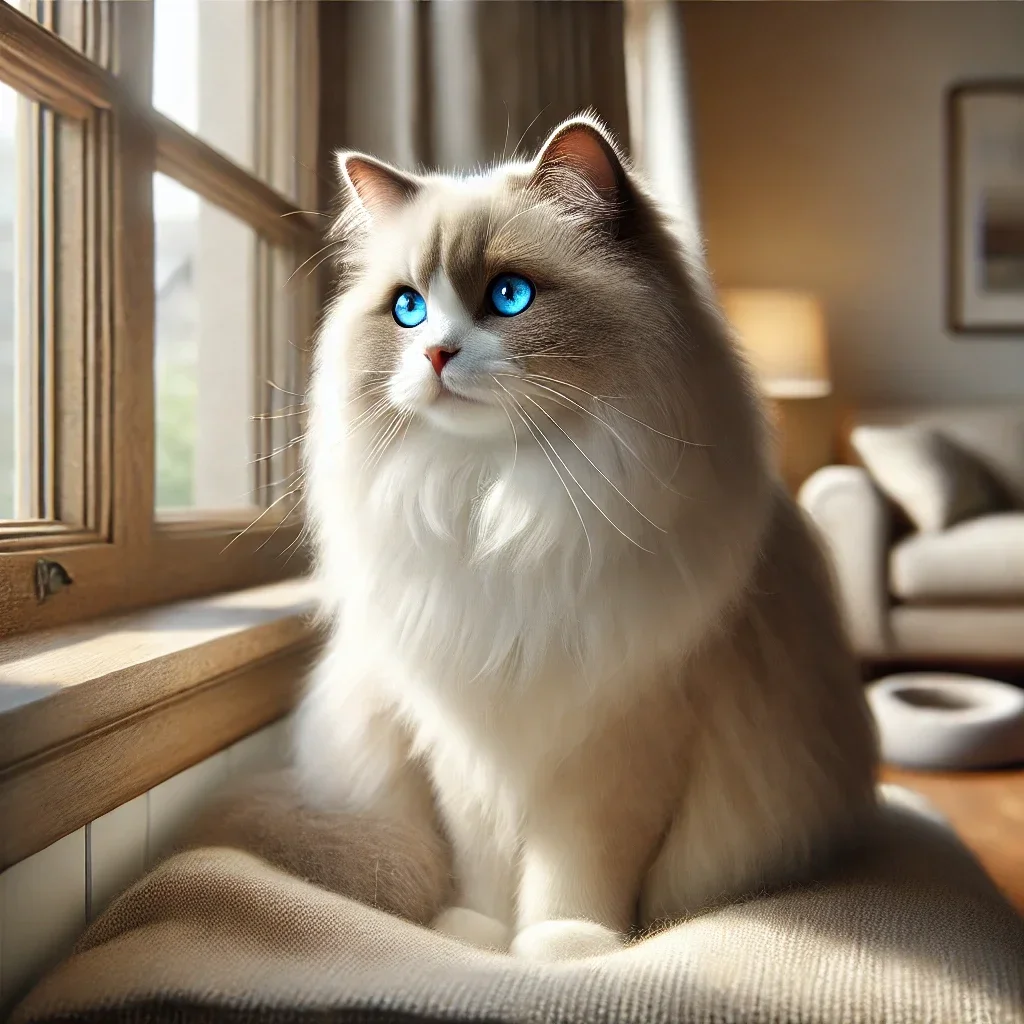
- Ragdoll – Known for their docile nature, Ragdolls often go limp when held, earning them the nickname “puppy-like.” They thrive on human interaction and are eager to follow their owners around.
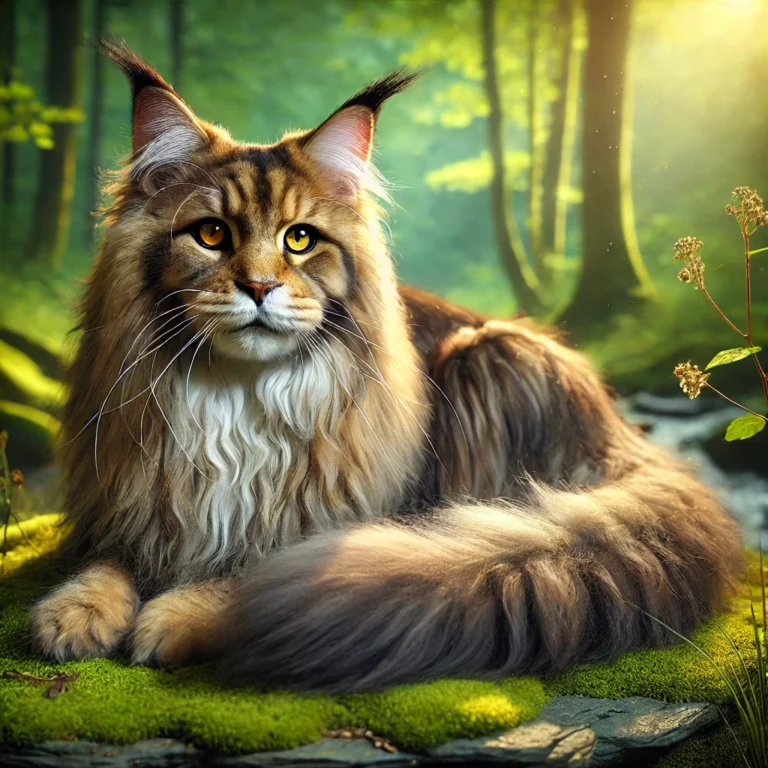
- Maine Coon – These gentle giants are friendly, playful, and highly social. They enjoy being part of family activities and often form strong bonds with each member.
- Siamese – Siamese cats are vocal and affectionate, often seeking companionship. Their intelligence and curiosity make them highly engaged with their human partners.
- Burmese – Burmese cats are known for their people-oriented nature. They often prefer to be near their owners and will follow them from room to room.
- Birman – With a calm temperament and a love for human touch, Birman cats are often described as “cat-dogs.” They enjoy being part of family life and are highly responsive to affection.
For more detailed breed information, you can visit the Ragdoll Wikipedia page or the Maine Coon page to learn about their history and care requirements.
Behavioral Traits of Loyal Cats
Beyond breed predispositions, certain behaviors signal a cat’s loyalty. Pay attention to these cues:
- Following you around – A loyal cat will often walk beside you, mirroring your movements.
- Grooming you – Mutual grooming is a sign of trust and affection. If your cat licks your skin or hair, it’s a clear indicator of devotion.
- Responding to your voice – Cats that recognize and react to their owner’s name or familiar sounds demonstrate a strong bond.
- Seeking physical contact – Whether it’s curling up on your lap or nuzzling your hand, a loyal cat actively seeks closeness.
- Protective behavior – Some cats will alert you to unfamiliar noises or people, showing a protective instinct.
These traits are often reinforced by consistent positive interactions. The American Veterinary Medical Association recommends regular play sessions and gentle handling to strengthen the human–cat bond.
How to Foster Loyalty in Your Feline Friend
While some cats naturally exhibit loyalty, you can nurture this quality through thoughtful care and interaction:
- Establish a routine – Cats thrive on predictability. Feeding, playtime, and grooming at consistent times help build trust.
- Engage in interactive play – Use wand toys, laser pointers, or puzzle feeders to stimulate your cat mentally and physically.
- Offer gentle affection – Pet your cat in areas they enjoy, such as the chin or behind the ears. Avoid forcing contact if they seem hesitant.
- Use positive reinforcement – Reward desired behaviors with treats or praise to reinforce loyalty.
- Provide enrichment – Climbing trees, window perches, and safe outdoor access can satisfy a cat’s natural curiosity while keeping them engaged.
Additionally, consider adopting from shelters or rescue organizations. Many cats in shelters have already demonstrated loyalty through their interactions with volunteers. The Shelterluv website offers resources for finding loyal cats in need of homes.
Conclusion: Embrace the Loyal Companion
Choosing a cat known for loyalty can transform your home into a sanctuary of companionship and comfort. Whether you’re drawn to the gentle Ragdoll, the playful Maine Coon, or any of the other affectionate breeds, the key lies in nurturing a bond built on trust, routine, and mutual respect. By understanding the traits that signal devotion and actively fostering those behaviors, you’ll create a lasting partnership that enriches both your life and your cat’s.
Ready to welcome a loyal feline into your family? Explore reputable breeders, rescue groups, and shelters today, and discover the joy of a devoted companion. Adopt a loyal cat and experience the warmth of unconditional affection.
Frequently Asked Questions
Q1. What makes a cat loyal?
Loyalty in cats is often a mix of breed predisposition and individual personality. Cats that seek regular interaction, follow their owners, and show protective behaviors tend to be the most devoted. Consistent routines and positive reinforcement also strengthen this bond.
Q2. Which cat breeds are known for loyalty?
Ragdoll, Maine Coon, Siamese, Burmese, and Birman are frequently cited as the most loyal breeds. These cats thrive on human companionship and often display affectionate behaviors such as following, grooming, and greeting.
Q3. How can I encourage loyalty in a new cat?
Establish a predictable routine, engage in interactive play, offer gentle affection, use positive reinforcement, and provide environmental enrichment. These practices help build trust and reinforce a strong bond.
Q4. Can a cat from a shelter be loyal?
Absolutely. Many shelter cats have already shown loyalty through their interactions with volunteers. Adopting from reputable shelters can give you a devoted companion who has proven their attachment to humans.
Q5. What signs indicate a cat is protective?
Protective cats may alert you to unfamiliar noises or people, display alert body language, and sometimes gently nudge or paw at intruders. These behaviors show they are attentive to their environment and care about their owner’s safety.