Cute Cats for Quiet Homes
Cute Cats for Quiet Homes are the perfect companions for anyone who values a calm, low‑stress living environment. These feline friends thrive in peaceful settings, offering gentle affection without the constant meowing or high‑energy antics that can disrupt a tranquil household. Whether you’re a busy professional, a retiree, or simply someone who enjoys a serene home, choosing a cat that embraces quiet can enhance your daily life and create a harmonious space for both you and your pet.
Cute Cats with Calm Temperament
When selecting a cat for a quiet home, temperament is the most critical factor. Cats that are naturally laid‑back, content with minimal stimulation, and less prone to vocalizing are ideal. These cats often prefer a predictable routine, enjoy lounging in a sunny spot, and are satisfied with short, gentle play sessions. Their calm demeanor makes them excellent companions for people who appreciate a peaceful environment.
Top Breeds of Cute Cats for Quiet Homes
Below is a curated list of cat breeds that are renowned for their quiet nature and affectionate personalities. Each breed offers unique traits, but all share a common love for a calm, undisturbed setting.
- British Shorthair – Known for their easygoing nature, these cats enjoy a relaxed lifestyle and rarely vocalize excessively.
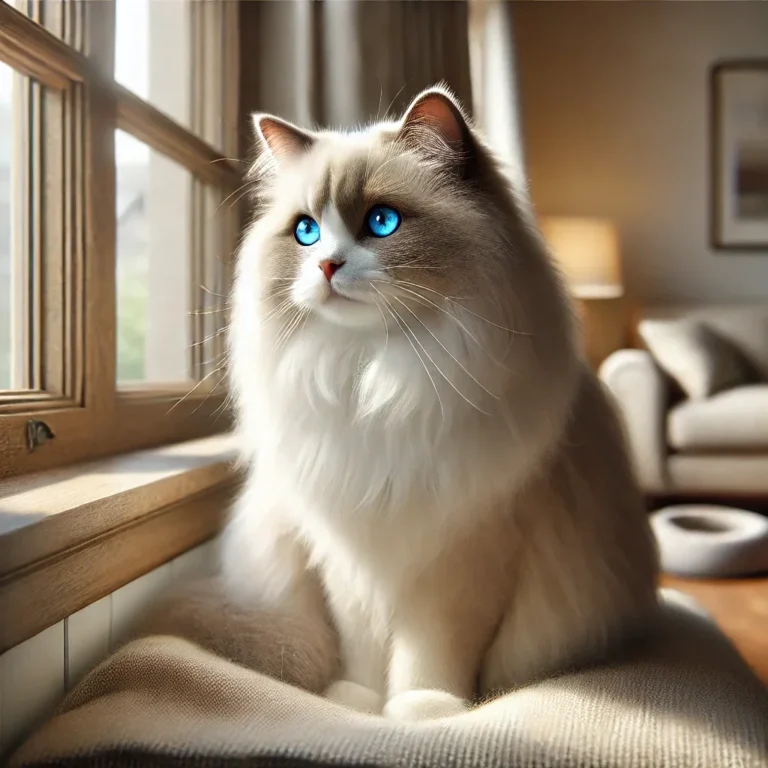
- Ragdoll – Their docile temperament and tendency to go limp when held make them a favorite for quiet households.
- Sphynx – Despite their lack of fur, Sphynx cats are gentle, low‑maintenance, and enjoy quiet companionship.
- Russian Blue – These cats are reserved, affectionate, and prefer a calm environment over constant activity.
- Scottish Fold – With their soft voices and calm disposition, they thrive in peaceful homes.
For more detailed information on each breed, you can visit the British Shorthair Wikipedia page, the Ragdoll page, and the Sphynx page.
Creating a Tranquil Environment for Your Cute Cat
Even the most serene cat can become stressed if its surroundings are chaotic. Here are key steps to maintain a quiet home that supports your cat’s calm nature:
- Consistent Routine – Feed, play, and groom at the same times each day to provide predictability.
- Quiet Playtime – Use soft toys and gentle games that encourage calm interaction rather than frantic chase.
- Safe Retreats – Offer cozy, secluded spots such as cat trees or covered beds where your cat can retreat.
- Minimal Noise – Keep household appliances and music at moderate levels to avoid overstimulation.
- Regular Vet Check‑ups – Ensure your cat’s health is monitored to prevent discomfort that could lead to vocalization.
These practices not only support your cat’s well‑being but also reinforce the peaceful atmosphere you desire.
Low‑Maintenance Care for Quiet Cats
Quiet cats often require less intensive care, making them ideal for individuals with busy schedules. Here’s how to keep your feline friend happy without excessive effort:
- Grooming – British Shorthairs and Russian Blues have short coats that need minimal brushing.
- Diet – Choose high‑quality dry or wet food that meets your cat’s nutritional needs; consult the FDA’s animal nutrition guidelines for reference.
- Enrichment – Provide puzzle feeders and simple toys to stimulate mentally without causing excitement.
- Health Monitoring – Watch for signs of illness; early detection can prevent stress and vocalization.
By following these low‑maintenance tips, you can enjoy the companionship of a cute cat while preserving the serenity of your home.
Benefits of a Quiet Cat Companion
Adopting a cat that enjoys a quiet environment offers numerous advantages for both you and your pet:
- Reduced Stress – A calm cat can lower cortisol levels in humans, promoting relaxation.
- Improved Sleep – Cats that are content and quiet are less likely to disturb your sleep cycle.
- Enhanced Focus – A peaceful companion can help maintain concentration during work or study.
- Emotional Support – Gentle purring and affectionate behavior provide comfort during stressful times.
These benefits underscore why many people seek out cute cats that thrive in quiet homes.
Conclusion: Embrace the Serenity of a Quiet Cat
Choosing a cute cat that enjoys a quiet home is a thoughtful decision that enriches both your life and your pet’s well‑being. By selecting a breed known for its calm temperament, creating a peaceful environment, and practicing low‑maintenance care, you can foster a harmonious relationship that brings comfort and joy to your daily routine. If you’re ready to welcome a serene feline companion into your life, consider adopting one of the breeds highlighted above and experience the tranquility that only a quiet cat can provide.
Take the first step toward a calmer home—visit your local shelter or rescue organization today and find the perfect quiet cat companion for you.
Frequently Asked Questions
Q1. What makes a cat suitable for a quiet home?
A calm temperament, low vocalization, and a preference for routine are key traits. Cats that enjoy lounging and are content with minimal stimulation fit well in peaceful settings. They rarely chase toys aggressively or demand constant attention, making them ideal companions for quiet households. Their gentle nature also reduces household noise and stress. This combination creates a harmonious living environment for both owner and pet.
Q2. Which breeds are best for quiet homes?
Some of the top breeds include the British Shorthair, Ragdoll, Sphynx, Russian Blue, and Scottish Fold. Each of these breeds is known for its laid‑back demeanor and minimal vocalization. They thrive on predictable routines and enjoy quiet play sessions. Their affectionate personalities make them excellent partners for serene living spaces. Researching each breed’s specific needs can help you choose the best fit.
Q3. How can I create a calm environment for my cat?
Establish a consistent daily routine for feeding, play, and grooming. Use soft toys and gentle games to encourage relaxed interaction. Provide cozy, secluded spots like covered beds or cat trees for retreats. Keep household noise at moderate levels and monitor your cat’s health with regular vet visits. These steps support your cat’s calm nature and maintain a peaceful home.
Q4. Do quiet cats require less grooming?
Generally, yes. Breeds with short coats, such as British Shorthairs and Russian Blues, need minimal brushing. Regular quick checks for mats or loose fur are usually sufficient. However, all cats benefit from occasional grooming to keep skin healthy. Low‑maintenance grooming saves time for busy owners while keeping the cat comfortable.
Q5. How does a quiet cat benefit my health?
Calm cats can lower cortisol levels, reducing stress and anxiety. Their gentle purring and affectionate behavior promote relaxation and improve sleep quality. A quiet companion also helps maintain focus during work or study by providing a soothing presence. Overall, a serene feline can enhance emotional well‑being and create a tranquil home atmosphere.