Cute Birds That Love Company
When you think of a feathered companion that brings joy, chirps, and a touch of whimsy into your home, the image of a cute bird often comes to mind. These avian friends thrive on human interaction, forming bonds that can last a lifetime. Whether you’re a seasoned bird owner or a first‑time pet enthusiast, understanding which species are most affectionate and how to nurture their social needs is essential. In this guide, we’ll explore the top cute birds that love human company, share tips for creating a welcoming environment, and highlight the benefits of having a feathered friend by your side.
Cute Birds That Thrive on Human Interaction
Not all birds are created equal when it comes to social bonding. Some species are naturally more gregarious and enjoy being part of the family circle. Below are five of the most beloved cute birds that flourish with human companionship:
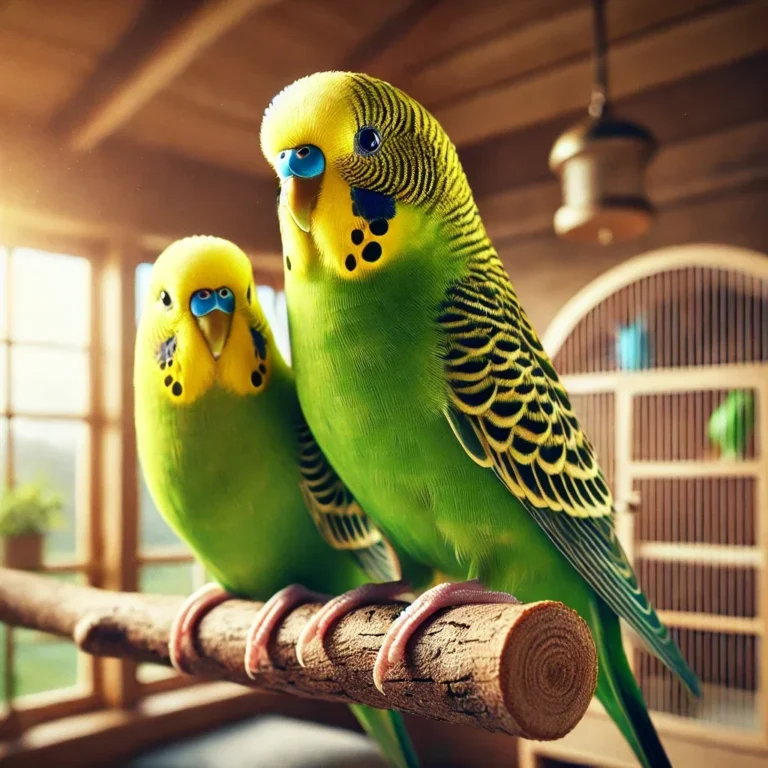
- Budgerigar (Budgie) – The tiny parakeet is renowned for its playful personality and ability to mimic human speech. Budgies are highly social and thrive when given daily interaction.
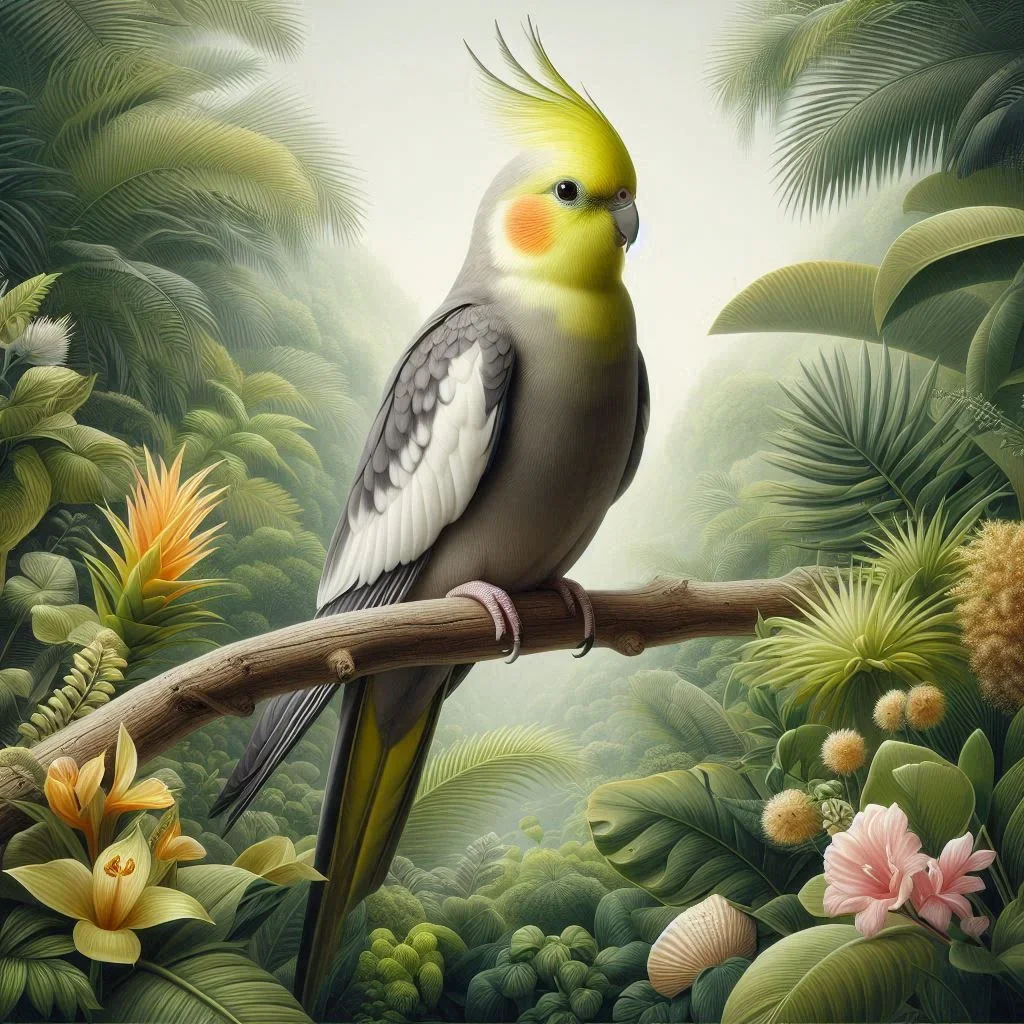
- Cockatiel – With a gentle temperament and a knack for forming strong attachments, cockatiels are a favorite among bird lovers. They enjoy gentle handling and often develop a “favorite human.”
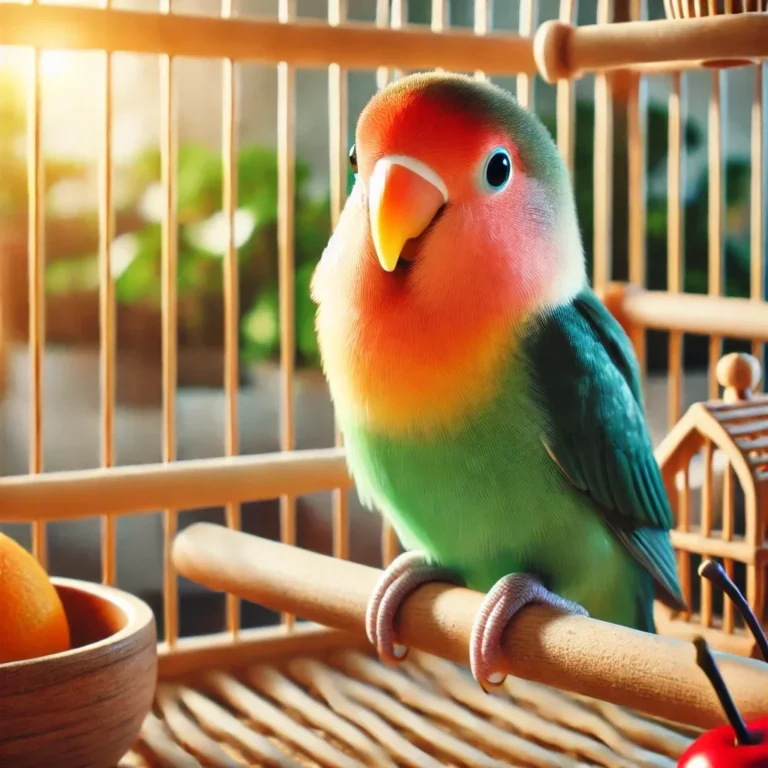
- Lovebird – True to their name, lovebirds are affectionate and pair‑bonding. They love to perch on your shoulder and will often follow you around the room.
- African Grey Parrot – Known for their intelligence and conversational skills, African greys form deep bonds with their owners and can become lifelong companions.
- Canary – While canaries are more known for their singing, many are surprisingly social and enjoy being part of the household routine.
Why Cute Birds Prefer Human Company
Birds are naturally social creatures, and many species evolved in flocks where cooperation was key to survival. When kept as pets, they often look to their human caretakers for the same social cues. The benefits of a bird that loves human company include:
- Emotional Support – Birds can sense mood changes and often provide comfort during stressful times.
- Enrichment – Interactive play and training stimulate mental activity, reducing boredom and destructive behaviors.
- Health Monitoring – A bird that trusts its owner is more likely to show signs of illness early, allowing for prompt veterinary care.
- Social Learning – Birds can learn from human behavior, adopting positive habits and even mimicking speech.
Creating a Bond: Tips for Nurturing Your Cute Bird
Building a strong relationship with your bird involves patience, consistency, and a deep understanding of avian communication. Here are proven strategies to foster a loving bond:
- Start Early – The first few weeks after a bird arrives are critical. Spend time near the cage, talk softly, and offer treats to build trust.
- Use Positive Reinforcement – Reward desired behaviors with treats or gentle praise. This encourages repeat interactions and strengthens the bond.
- Daily Interaction – Aim for at least 15–20 minutes of hands‑on time each day. This can include gentle handling, talking, or simple games like “peekaboo.”
- Provide Mental Stimulation – Rotate toys, offer puzzle feeders, and introduce new sounds to keep your bird mentally engaged.
- Respect Boundaries – Some birds may need time alone. Observe body language—flattened wings, rapid blinking, or a sudden retreat—signals that your bird wants space.
Health and Safety: Keeping Your Cute Bird Happy and Healthy
Just as with any pet, a bird’s well‑being depends on proper care. Below are essential health and safety guidelines:
- Balanced Diet – Offer a mix of high‑quality pellets, fresh fruits, vegetables, and occasional seeds. Avoid avocado, chocolate, and caffeine.
- Clean Environment – Clean the cage weekly and replace water daily to prevent bacterial growth.
- Regular Vet Visits – Schedule annual check‑ups with an avian veterinarian to monitor weight, feather condition, and overall health.
- Safe Spaces – Ensure windows are screened and that the bird cannot escape or access hazardous areas.
- Social Interaction Outside the Cage – Allow supervised out‑of‑cage time in a bird‑proof room to encourage exploration and bonding.
For more detailed information on bird care, you can consult reputable resources such as the Avian Medicine Association and the Cornell Lab of Ornithology.
Choosing the Right Cute Bird for Your Lifestyle
Before adopting a bird, consider your living situation, time commitment, and budget. Here’s a quick decision guide:
- Space – Smaller birds like budgies and canaries fit well in apartments, while larger parrots require more room.
- Noise Level – Parrots can be loud; if you have close neighbors, a quieter species may be preferable.
- Longevity – Some birds live 20+ years (e.g., African greys), so be prepared for a long‑term commitment.
- Allergies – If you or family members have allergies, consider hypoallergenic breeds or ensure proper ventilation.
For a deeper dive into specific species, the Wikipedia page on Budgerigar and the Cockatiel article provide comprehensive overviews.
Conclusion: Embrace the Joy of a Cute Bird Companion
Adopting a cute bird that loves human company can transform your daily routine, offering companionship, entertainment, and a unique bond that enriches both your life and theirs. By choosing the right species, investing time in social interaction, and maintaining a healthy environment, you’ll create a thriving partnership that lasts for years. Ready to welcome a feathered friend into your home? Start your journey today and experience the delightful companionship of a cute bird that truly loves you.
Frequently Asked Questions
Q1. What makes a bird a good companion for humans?
Companion birds are typically social, interactive, and enjoy human contact. They thrive on routine, gentle handling, and mental stimulation. Species like budgies, cockatiels, and African greys are known for their affectionate nature.
Q2. How often should I interact with my bird?
Daily interaction of 15–20 minutes is ideal. This can include talking, gentle handling, or simple games. Consistency helps build trust and reduces anxiety.
Q3. Can a bird learn to mimic human speech?
Yes, especially parrots and budgies. They mimic sounds they hear frequently. Regular talking and training reinforce this behavior.
Q4. What are the signs my bird wants alone time?
Flattened wings, rapid blinking, or retreating to a perch are common signals. Respecting these cues prevents stress and promotes a healthy bond.
Q5. How long do cute birds typically live?
Longevity varies by species. Budgies live 5–10 years, while African greys can reach 30–40 years. Planning for a long-term commitment is essential.