Cute Birds That Bond with Owners
When it comes to feathered companions, Cute Birds That Bond with Owners are often overlooked in favor of traditional pets like dogs and cats. Yet many avian species develop deep, affectionate relationships with their human families, offering playful chatter, gentle head‑tilts, and even soothing kisses. Understanding how these birds express love—and how owners can nurture that bond—creates a rewarding partnership that lasts for years. In this guide we’ll explore four popular species, share practical bonding tips, and highlight scientific insights into avian socialization. Whether you’re a seasoned bird keeper or considering your first feathered friend, the strategies below will help you build trust, confidence, and lasting companionship.
Cute Birds That Bond with Owners: Budgerigars
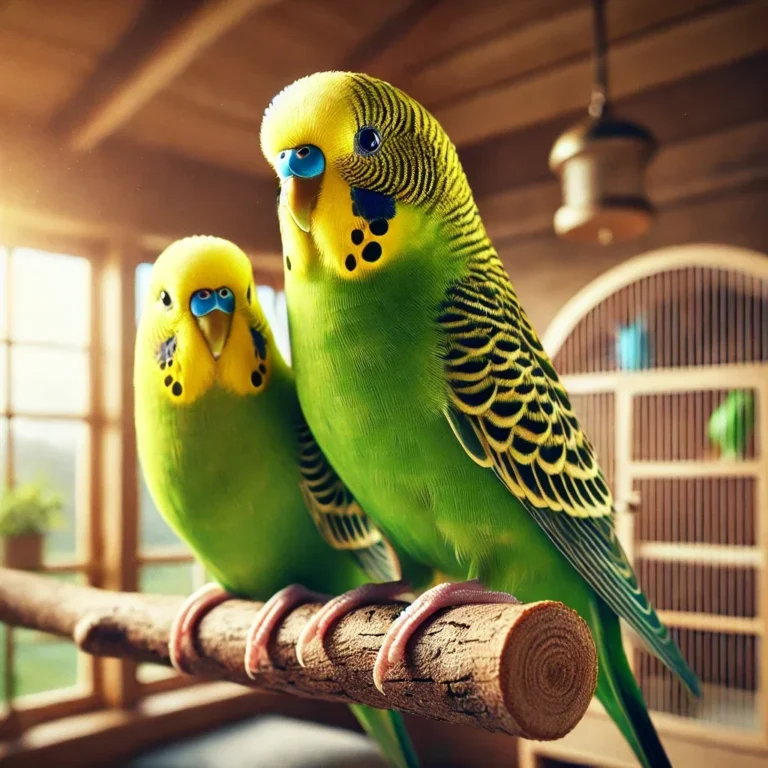
Budgerigars, commonly called budgies, are small parrots native to the arid interiors of Australia. Their bright plumage and lively personalities make them one of the most sought‑after pets worldwide. Research shows that budgies are highly social and can form strong pair bonds not only with other birds but also with their human caretakers. According to the Budgerigar Wikipedia page, these birds thrive on routine, vocal interaction, and gentle handling.
To encourage a budgie to bond, start with short, calm sessions placed near the cage. Offer a favorite treat—like a small piece of millet or a sprouted seed—and speak softly, using the bird’s name. Over time, the budgie will learn to associate your presence with positive experiences, leading to spontaneous foot‑tapping, head‑bobbing, and even cheek‑puffing as a sign of comfort.
Cute Birds That Bond with Owners: Cockatiels
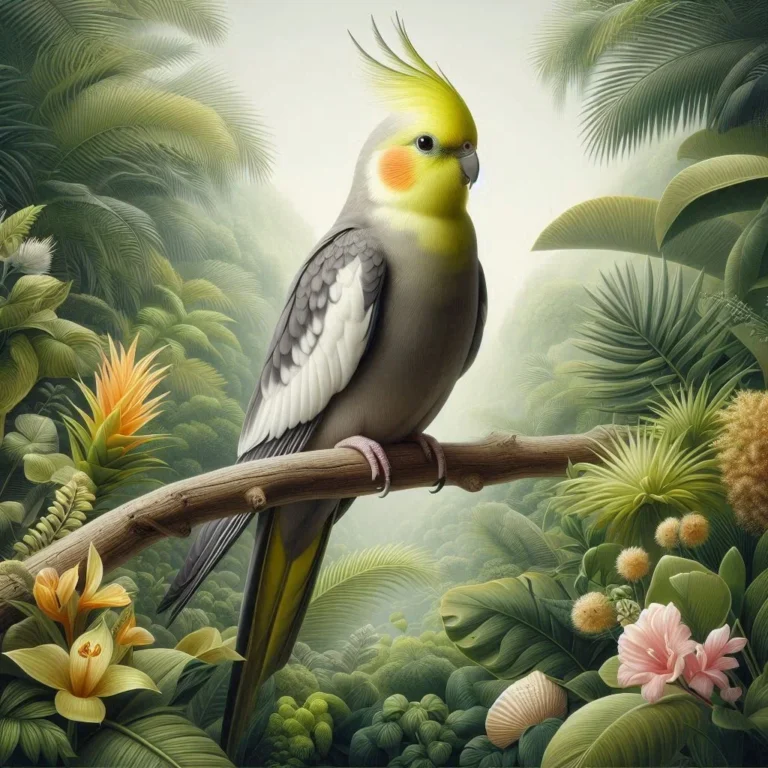
Cockatiels are another fan‑favorite, known for their expressive crest and mellow temperament. Native to the deserts of Australia, they have adapted well to domestic life, displaying remarkable empathy toward humans. The ASPCA’s care guide for cockatiels notes that regular, gentle interaction can reduce stress and promote vocal learning, leading the bird to mimic phrases that become part of the bonding process.
When bonding with a cockatiel, incorporate daily “talk time” where you sit beside the cage and share stories or sing softly. Cockatiels love to preen their owners with their beaks—a behavior known as allopreening that signals trust. Provide safe chew toys, such as untreated wood, to satisfy their natural foraging instincts while reinforcing your role as a provider of comfort.
Cute Birds That Bond with Owners: Lovebirds
Despite their name, lovebirds are not exclusively monogamous with humans, but they do form intense attachments when treated as part of the family. Originating from African savannas, these tiny parrots are bold, playful, and highly inquisitive. The Lovebird Wikipedia entry highlights their propensity for social interaction, making them excellent candidates for owner bonding when given consistent attention.
Effective bonding techniques include offering a hand‑feed of soft fruits like papaya or banana. Allow the lovebird to step onto your finger voluntarily; avoid forcing contact, as this can trigger fear. Over weeks of patient interaction, lovebirds often exhibit gentle nuzzling and will sometimes curl around your wrist—a clear sign of attachment.
Cute Birds That Bond with Owners: African Grey Parrots
For those seeking a more advanced companion, the African Grey parrot stands out for its exceptional intelligence and emotional depth. While not the smallest bird on the list, its capacity for deep social bonds is unparalleled. According to the African Grey Wikipedia article, these parrots can recognize individual human faces, respond to names, and even display empathy when owners are upset.
Bonding with an African Grey requires structured mental enrichment. Offer puzzles, foraging toys, and regular training sessions that use positive reinforcement. When the bird successfully solves a task, reward with a nut or a verbal praise. This builds trust and reinforces the bird’s perception of you as a supportive partner, leading to affectionate behaviors such as gentle beak kisses and feather grooming.
Practical Tips for Strengthening Avian Bonds
- Consistency is key: Interact with your bird at the same time each day to create a predictable routine.
- Respect boundaries: Allow the bird to approach you on its own terms; forced handling can cause lasting fear.
- Use positive reinforcement: Reward desired behaviors with treats, praise, or favorite toys.
- Provide enrichment: Rotate toys weekly, offer natural foraging challenges, and include safe mirrors for solitary birds.
- Practice gentle handling: Support the bird’s body, avoid sudden movements, and keep your voice calm.
Incorporating these strategies will not only deepen the connection with your feathered friend but also promote overall health and wellbeing. Birds that feel secure are less prone to stress‑related diseases such as feather‑plucking or respiratory issues.
Understanding Avian Body Language
Learning to read a bird’s body language is essential for successful bonding. A relaxed stance, soft eye pinning, and slow wing flutters typically indicate contentment. Conversely, rapid feather ruffling, aggressive beak clicking, or sudden flights can signal discomfort. By observing these cues, owners can adjust their approach, ensuring interactions remain positive and enriching.
When to Seek Professional Advice
If your bird displays persistent aggression, loss of appetite, or chronic feather loss, it’s important to consult an avian veterinarian. The Aviary Veterinary Association (AVA) recommends routine health checks at least once a year to catch potential issues early. Proper medical care, combined with emotional bonding, creates a holistic environment for your bird’s thriving.
Each species discussed—budgerigars, cockatiels, lovebirds, and African Grey parrots—offers its own unique pathway to companionship. While personalities differ, the common thread is that patience, respect, and consistent interaction pave the way for deep, lasting bonds.
Conclusion: Embrace the Joy of Bonding with Cute Birds That Bond with Owners
Building a relationship with a feathered companion is a rewarding journey filled with chirps, head‑tilts, and moments of pure affection. By choosing a species that matches your lifestyle, applying the bonding techniques outlined above, and paying close attention to your bird’s cues, you’ll experience the unparalleled joy that comes from sharing life with a Cute Birds That Bond with Owners partner. Ready to start your avian adventure? Explore reputable breeders, adopt from rescue organizations, and begin the beautiful process of forming a lifelong friendship today.
Frequently Asked Questions
Q1. How do I start building trust with a new bird?
Begin with short, quiet sessions near the cage and speak softly using the bird’s name. Offer a small treat from your hand to create a positive association. Gradually increase interaction time as the bird becomes more comfortable.
Q2. Which species are best for first‑time bird owners?
Budgerigars and cockatiels are popular choices because they are social, adaptable, and relatively easy to care for. They enjoy routine and respond well to gentle handling. Lovebirds can also work if you’re prepared for their high energy.
Q3. What are common signs that my bird trusts me?
Signs include relaxed posture, soft eye pinning, gentle head‑tilts, and offering a foot‑taps. Your bird may also preen you, chew on your fingers, or give light beak kisses. These behaviors indicate comfort and affection.
Q4. How often should I provide mental enrichment?
Offer new foraging toys or puzzles at least once a week and rotate existing toys regularly. Training sessions using positive reinforcement should be short (5‑10 minutes) but consistent daily. Enrichment reduces boredom and strengthens your bond.
Q5. When is it necessary to see an avian veterinarian?
If you notice persistent aggression, loss of appetite, feather plucking, or respiratory distress, schedule a vet visit promptly. Annual health checks are recommended even for a healthy bird. Early diagnosis helps maintain the bird’s wellbeing and the relationship.