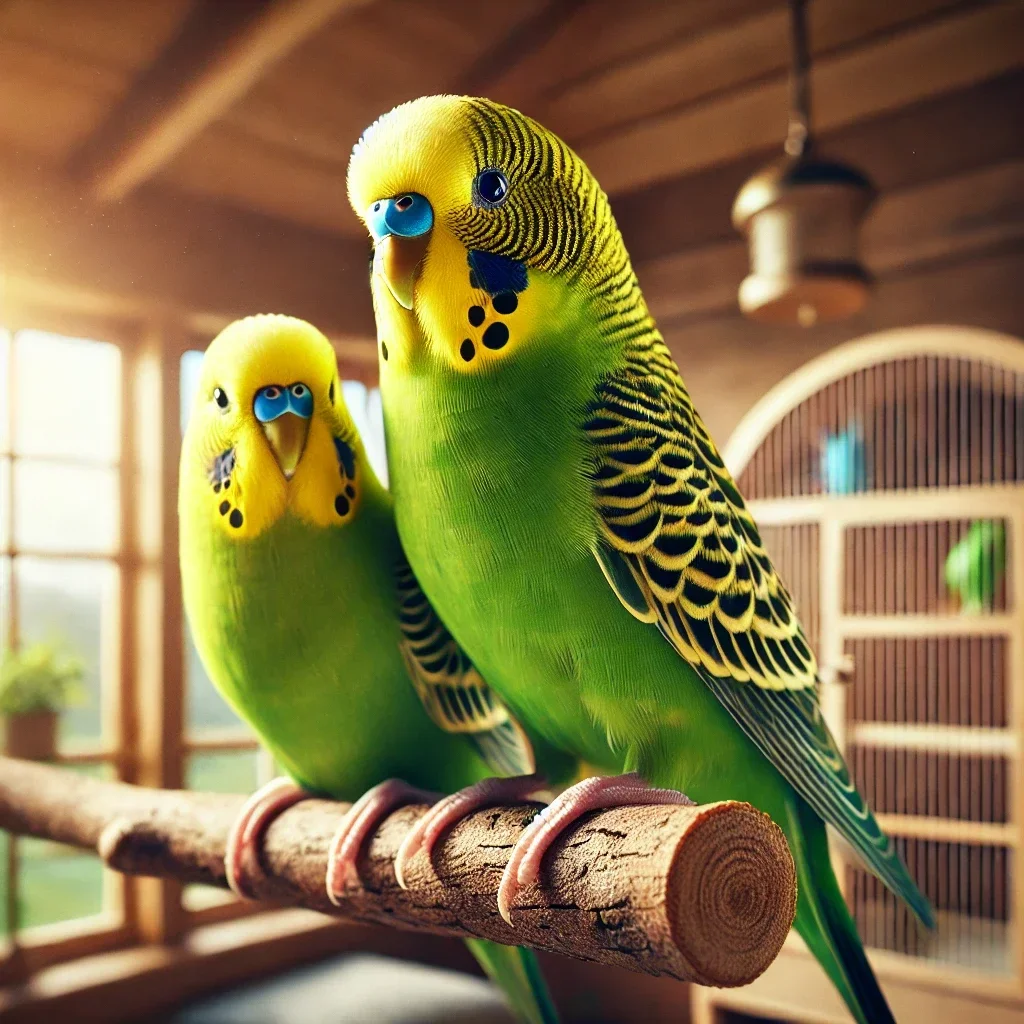
Cute Birds Friendly Personalities
When you walk into a pet store and see tiny heads bobbing, bright feathers flashing, and chirps that sound like mini‑conversations, you instantly recognize the charm of cute birds with friendly personalities. These avian companions are not only visually appealing; they also bring joy through interaction, social play, and even affectionate bonding. In this guide we explore several popular species, explain what makes them sociable, and give practical tips for creating a thriving home environment. Whether you are a seasoned fancier or a first‑time bird owner, understanding their behavior will help you build a lasting partnership with your feathered friend.
Cute Birds: Budgerigar – The Social Sprinter
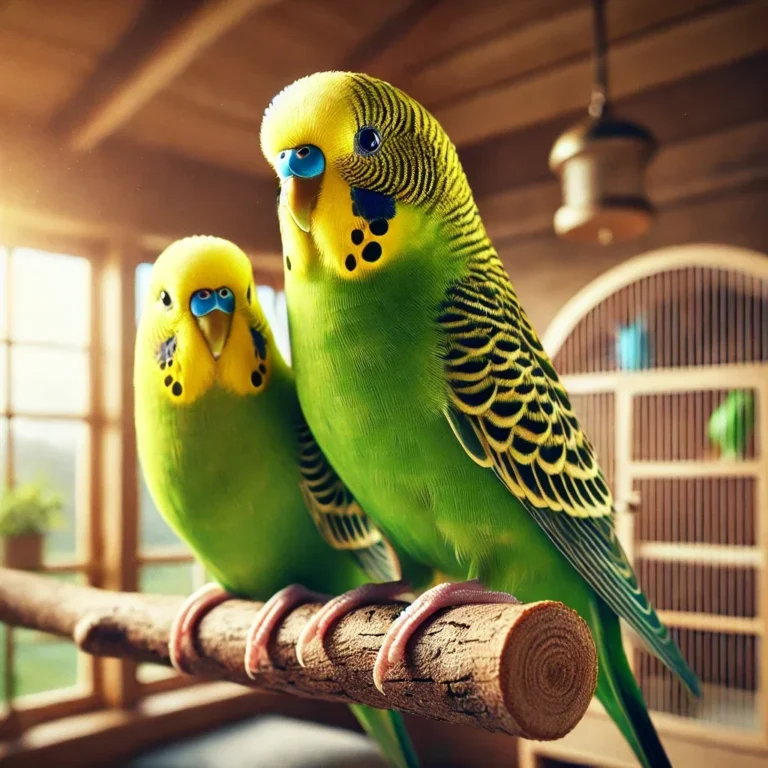
The budgerigar, often called the budgie, is a small parakeet native to Australia. Its diminutive size (usually 7 – 8 inches) and exuberant coloration make it one of the most recognizable cute birds in the hobby. Budgies are renowned for their playful chatter and willingness to mimic human speech, especially when they feel secure. Their natural flock‑living instincts translate into an eagerness to interact with people, turning a simple hand‑out into a game of fetch.
- Provide a spacious cage (minimum 30 × 18 × 18 inches) to allow flight.
- Offer daily social time outside the cage; budgies thrive on interaction.
- Rotate toys regularly to prevent boredom—mirror toys and rope ladders are favorites.
For detailed species information, see the Budgerigar Wikipedia entry. Their easy‑going nature makes them an excellent starter pet for families seeking cute birds with friendly personalities.
Cute Birds: Cockatiel – The Affable Fluff
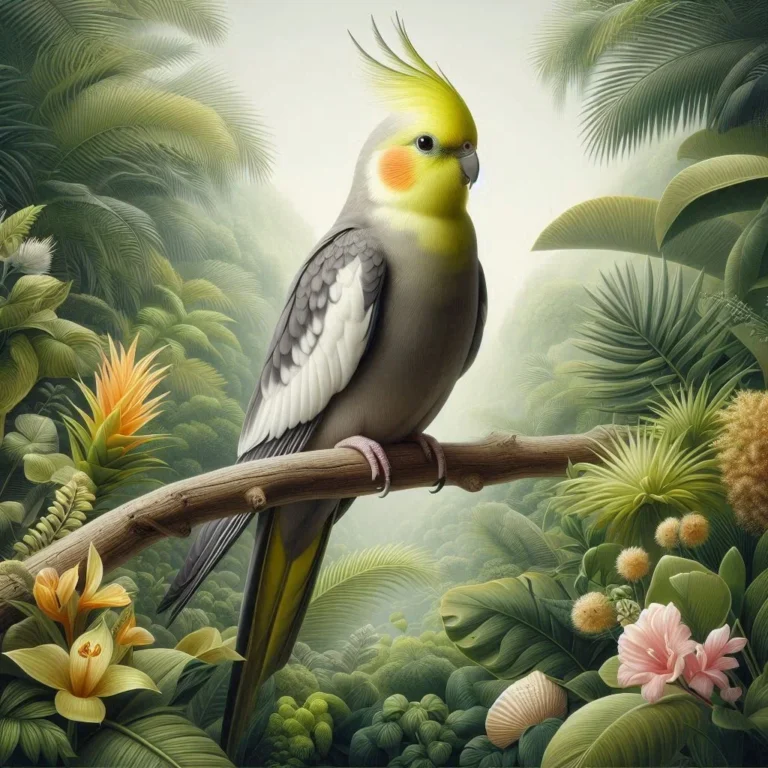
Originating from the arid regions of Australia, the cockatiel is the second‑most popular pet bird in the United States. Their crest, which they raise in excitement, adds an extra layer of expressiveness to their already engaging demeanor. Cockatiels love to whistle, and many learn to mimic simple tunes or words when encouraged with positive reinforcement. Their gentle temperament makes them suitable for homes with children, as they rarely display aggression when handled correctly.
One hallmark of a happy cockatiel is the “head‑bob” display—a quick forward nod that signals contentment. Encourage this behavior by offering favorite seeds or a treat after a gentle head‑bob, reinforcing the bond. For further reading, consult the All About Birds resource, which provides science‑backed insights into bird behavior.
Cute Birds: Lovebird – The Playful Pair
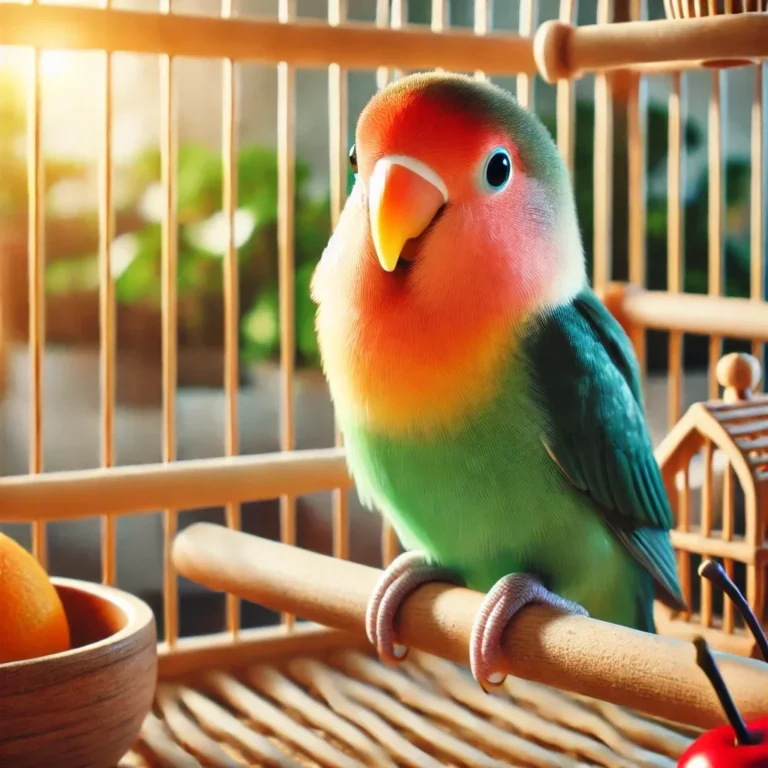
Despite their name, lovebirds are not monogamous in the way people often imagine; they simply enjoy close contact with their preferred companions, whether human or avian. These small, vibrant parrots originate from Africa and are celebrated for their energetic playfulness. Their inquisitive nature leads them to explore every nook of their enclosure, making enrichment essential to keep them mentally stimulated.
Because lovebirds are highly social, they often prefer to be housed in pairs or in a large single‑bird cage with ample toys. Their bold personalities mean they are not shy about investigating new objects, so rotating perches, foraging puzzles, and chewable toys prevents destructive behavior. A comprehensive overview of lovebird care can be found at the Lovebird Wikipedia page.
Cute Birds: African Grey – The Intelligent Companion
The African Grey Parrot is frequently cited as the most cognitively advanced of all pet birds. While larger and more demanding than many “cute” species, its striking slate plumage and expressive eyes still fit the aesthetic of a charming companion. These birds possess a remarkable ability to mimic human speech with contextual understanding, making them both entertaining and emotionally responsive.
Because African Greys thrive on mental challenges, daily puzzle sessions are essential. Simple tasks—like teaching them to name colors or identify objects—stimulate their brain and reinforce trust. For an authoritative source on avian intelligence, see the National Geographic Parrot Facts article.
Key Tips for Raising Friendly Cute Birds
Regardless of species, the following practices help nurture a friendly temperament in cute birds:
- Consistent Interaction: Spend at least 30 minutes each day talking, hand‑feeding, or gently grooming your bird.
- Environmental Enrichment: Rotate toys, provide foraging opportunities, and allow safe supervised flight.
- Balanced Nutrition: Offer a varied diet of high‑quality pellets, fresh fruits, vegetables, and occasional seeds.
- Positive Training: Use clicker or treat‑based methods to reinforce desired behaviors without punishment.
- Health Monitoring: Schedule regular check‑ups with an avian‑qualified veterinarian and keep an eye on feather condition, appetite, and droppings.
Implementing these fundamentals creates an environment where cute birds with friendly personalities can flourish, strengthening the bond between pet and owner.
Choosing the Right Bird for Your Lifestyle
Before bringing home a new avian friend, assess your schedule, space, and experience level. Budgerigars and cockatiels are ideal for beginners due to their modest size and lower maintenance costs. Lovebirds suit owners who enjoy interactive play but can commit to daily enrichment. African Greys demand more time, space, and mental stimulation, making them best for experienced bird enthusiasts willing to invest heavily in training.
Additionally, consider local regulations and wild‑bird protections; many states have guidelines regarding exotic pet ownership. A quick reference to governmental policies can be found on the USDA website.
By aligning the bird’s needs with your lifestyle, you ensure a harmonious partnership that highlights the innate charm of cute birds with friendly personalities.
Conclusion
If you’re ready to invite a lovable, chatty feathered friend into your home, start by researching the species that best matches your daily routine and commitment level. With patience, proper care, and genuine affection, your cute bird will reward you with endless smiles, sweet songs, and unforgettable moments. Explore our detailed care guides today and take the first step toward a lifelong avian companion!
Frequently Asked Questions
Q1. How often should I interact with my cute bird to keep it friendly?
Birds thrive on daily social time. Aim for at least 30 minutes of gentle interaction each day, including talking, hand‑feeding, or supervised out‑of‑cage play. Consistent contact builds trust and prevents boredom, which can lead to undesirable behaviors.
Q2. What are the best toys for budgerigars and cockatiels?
Choose toys that encourage foraging, chewing, and climbing, such as rope ladders, wooden blocks, and mirror toys. Rotating toys weekly keeps the environment stimulating and reduces feather‑plucking.
Q3. Can lovebirds live happily without a partner?
While lovebirds are social, a single bird can be content if given plenty of human interaction and enrichment. Providing a large cage, diverse toys, and daily out‑of‑cage time can meet their companionship needs.
Q4. How do I start training an African Grey to talk?
Begin with short, clear words and repeat them consistently in a calm tone. Use treats or clicker reinforcement immediately after the bird mimics the word, and keep sessions brief to maintain interest.
Q5. Are there legal restrictions on keeping exotic birds?
Many states and countries regulate the ownership of certain parrots and require permits. Always check local wildlife agencies or the USDA website before purchasing to ensure compliance with laws.