Cute Birds Friendly Nature Guide
When you think of adorable companions that flutter, chirp, and bring a splash of color into your home, the phrase Cute Birds immediately comes to mind. These feathered friends are not only visually appealing but also possess a gentle temperament that makes them ideal for families, singles, and even seniors. In this guide, we’ll explore the most beloved species, their friendly nature, and practical tips to ensure a harmonious coexistence.
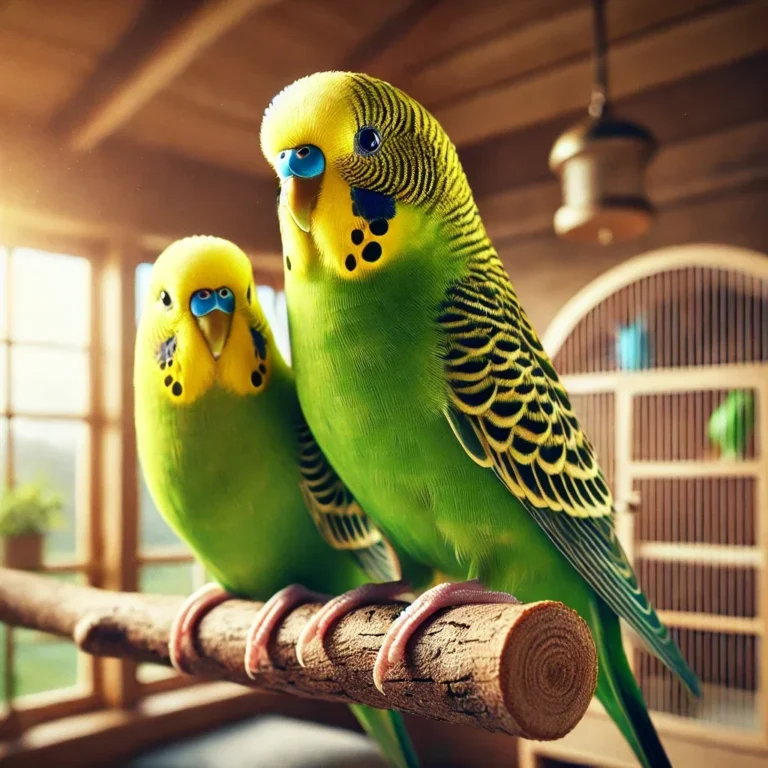
Cute Birds: Budgerigar Basics
Budgerigars, commonly known as budgies or parakeets, are small, sociable birds that thrive on interaction. Their playful personalities and bright plumage make them a top choice for first‑time bird owners. Budgies are known for their ability to mimic human speech, which adds an extra layer of companionship. According to the Wikipedia entry on Budgerigars, these birds are native to Australia’s arid regions but have adapted well to indoor environments.
- Provide a spacious cage with perches of varying diameters.
- Offer a balanced diet of seeds, fresh vegetables, and occasional fruit.
- Engage in daily play sessions to stimulate their natural curiosity.
- Ensure regular veterinary check‑ups to monitor health.
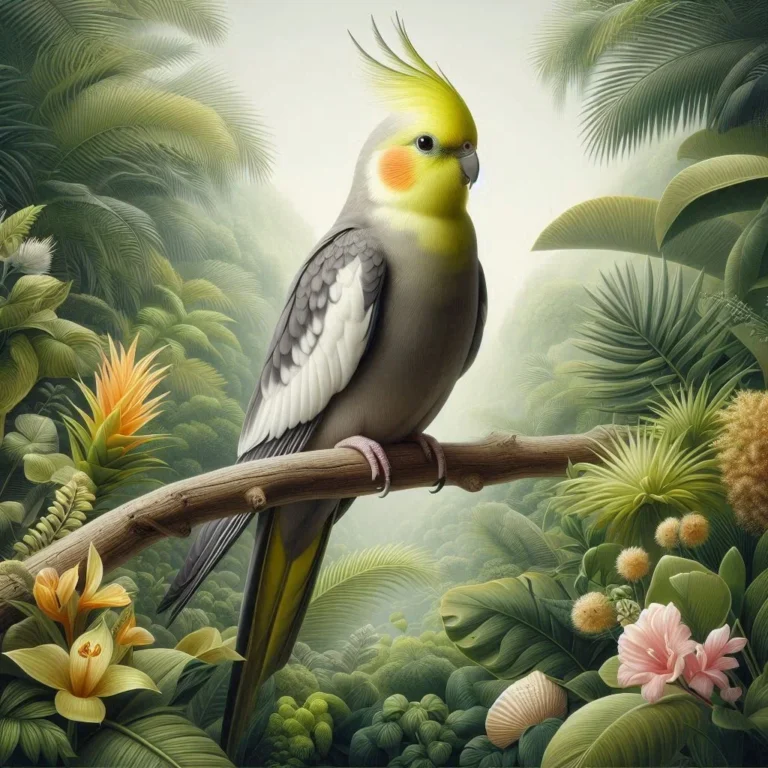
Cute Birds: Cockatiel Charm
Cockatiels are another favorite among bird enthusiasts. Their soft, crested feathers and affectionate demeanor make them a delightful addition to any household. These birds are particularly known for their “whistling” vocalizations and the ability to form strong bonds with their owners. The Wikipedia page on Cockatiels highlights their adaptability and intelligence, traits that contribute to their friendly nature.
Key Traits of Friendly Cockatiels
• Social: They thrive on companionship and often seek human interaction.
• Gentle: Their soft beaks and calm demeanor reduce the risk of accidental bites.
• Trainable: Simple commands and tricks can be taught with patience.
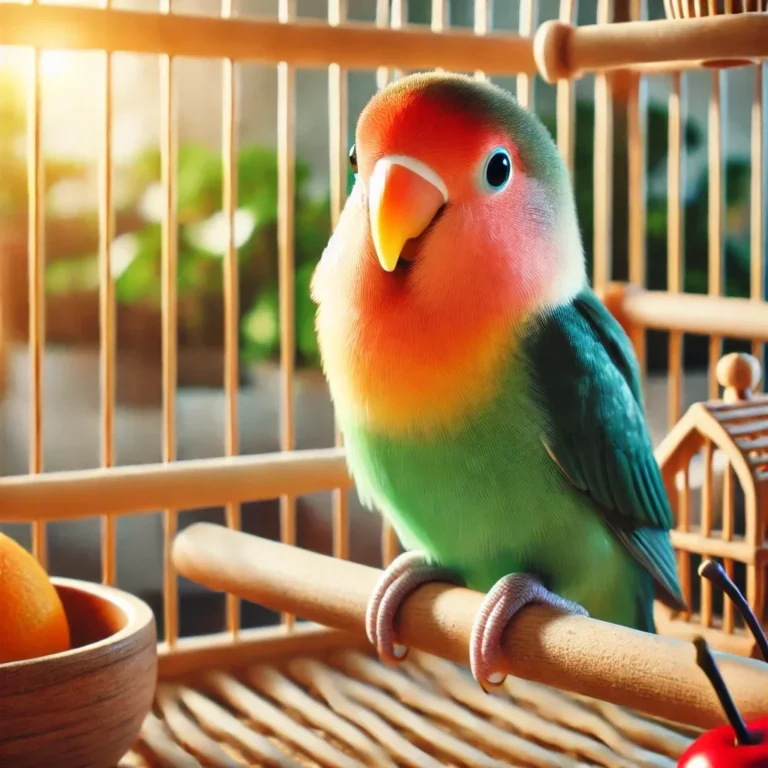
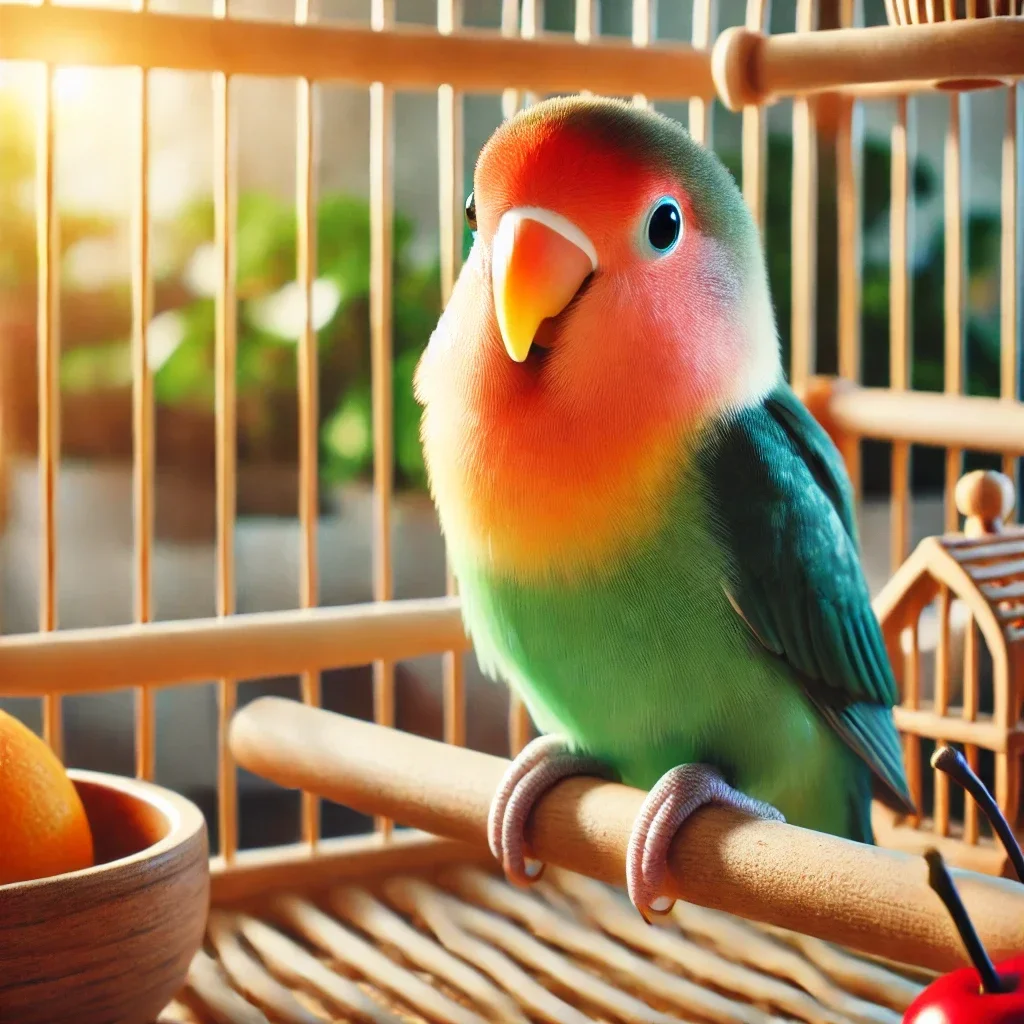
Cute Birds: Lovebirds & Their Lively Bonds
Lovebirds, named for their strong pair bonds, are small parrots that exhibit a playful and affectionate temperament. Their bright colors and energetic antics make them a favorite for those who enjoy a lively pet. The Wikipedia entry on Lovebirds explains that these birds are highly social and thrive when given ample interaction and mental stimulation.
Creating a Loving Environment
• Provide a large cage with multiple perches.
• Introduce puzzle toys to keep their minds engaged.
• Spend time daily, allowing them to explore and bond.
Cute Birds: African Grey Parrot Affection
While African Grey Parrots are larger than the previous species, they are renowned for their intelligence and gentle nature. These birds can develop deep emotional connections with their owners, often displaying affection through gentle head nudges and soft vocalizations. The Cornell Lab of Ornithology provides extensive research on African Grey behavior, underscoring their capacity for empathy and social bonding.
Essential Care Tips
• Offer a varied diet rich in fresh produce.
• Ensure a safe, enriched environment with toys and perches.
• Schedule regular vet visits to monitor their complex health needs.
Understanding Bird Behavior: Why They’re Friendly
Birds that exhibit friendly behavior often share common traits: socialization from a young age, consistent interaction, and a stimulating environment. The FDA’s Animal Welfare page emphasizes the importance of enrichment and social contact in promoting positive behavior. By following these guidelines, you can help your Cute Birds develop a calm, affectionate demeanor.
Choosing the Right Companion: Factors to Consider
When selecting a Cute Birds species, consider the following:
- Space: Larger species require bigger cages.
- Time: Birds need daily interaction and mental stimulation.
- Allergies: Some people may be allergic to feather or dander.
- Longevity: Many parrots live 20–30 years; plan accordingly.
Conclusion: Embrace the Joy of Friendly Feathers
Adopting a Cute Birds companion can transform your living space into a vibrant, interactive environment. Whether you choose a playful budgie, a melodic cockatiel, a spirited lovebird, or an intelligent African Grey, each species offers unique benefits and a friendly nature that enriches daily life. By providing proper care, enrichment, and affection, you’ll foster a lasting bond that brings joy and companionship for years to come.
Ready to welcome a friendly feathered friend into your home? Explore our selection of trusted bird care resources and start your journey with Cute Birds today!
Frequently Asked Questions
Q1. What makes a bird species friendly?
Friendly birds are typically social, enjoy interaction, and thrive in enriched environments. They are often bred for temperament and are less likely to bite or become stressed. Consistent handling from a young age helps reinforce calm behavior. Providing mental stimulation keeps them engaged and reduces frustration. Regular veterinary care ensures they remain healthy and sociable.
Q2. How often should I interact with my Cute Bird?
Daily interaction is ideal, especially for social species like budgerigars and cockatiels. Even short play sessions of 10–15 minutes can satisfy their need for companionship. Gentle handling and talking help build trust. Avoid leaving them alone for extended periods to prevent loneliness. Consistency in routine encourages a calm demeanor.
Q3. Are budgerigars suitable for children?
Budgerigars are generally good with children due to their playful nature and small size. However, supervision is recommended to prevent accidental bites or feather damage. Teaching children gentle handling and respecting the bird’s space is essential. Budgies can also serve as educational tools about responsibility and animal care. With proper guidance, they can be a delightful family pet.
Q4. What diet should I give my African Grey?
African Greys require a varied diet rich in fresh produce, nuts, and high-quality pellets. Include leafy greens, carrots, bell peppers, and occasional fruit for vitamins. Avoid avocado, chocolate, and excessive salt. Fresh water should be available at all times. Regularly rotate foods to keep them interested and nutritionally balanced.
Q5. How long do lovebirds live?
Lovebirds typically live 8 to 12 years in captivity, though some can reach 15 years with excellent care. Their lifespan depends on diet, exercise, and veterinary attention. Providing a spacious cage and mental stimulation reduces stress and promotes longevity. Regular check-ups help catch health issues early. With proper care, lovebirds can be long‑lived companions.