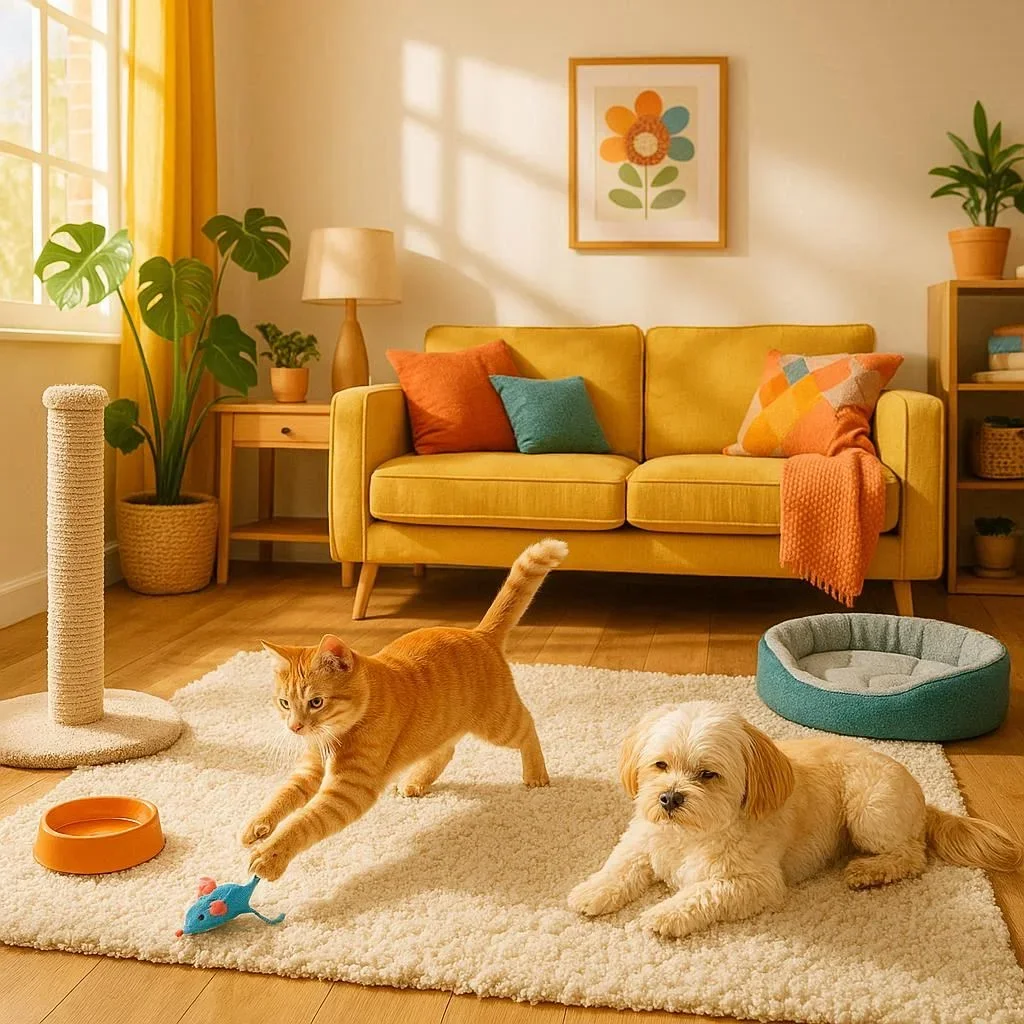
Creative Recycled Pet Toys
Creating pet toys at home with recycled materials is one of the most rewarding ways to add a personal touch to your furry companion’s playtime while also doing a favor for the planet. These eco‑friendly projects use items you already have on hand, from clean plastic bottles to old t-shirts, and they can become safe, stimulating, and durable playthings for cats and dogs alike. By weaving sustainability into everyday fun, you can enrich your pet’s life and inspire a culture of mindful consumption.
Why Recycled Pet Toys Matter
When pet owners consider toy options, they often balance safety, entertainment, and cost. Recycled pet toys provide a unique blend of these attributes by reducing waste, cutting down on manufacturing emissions, and keeping harmful plastic out of landfills. The U.S. EPA notes that recycling one ton of plastic saves roughly 3.3 pounds of petroleum and reduces about 3.8 tons of CO₂ emissions—benefits that extend beyond your home’s playground to the global environment. Moreover, homemade toys give you control over the materials, allowing you to eliminate toxic dyes, lead, or other hazardous chemicals.
Safe Materials for Pet Toys
Before you start crafting, it’s crucial to identify which recycled items are safe for pets. While many everyday items can be repurposed, some contain fibers or chemicals that can be harmful if ingested or chewed. The American Kennel Club recommends avoiding synthetic plastics that have not been properly cleaned or may contain phthalates. Instead, choose materials that are non-toxic, odorless, and resilient enough to withstand vigorous play. Here are five categories you can use reliably:
- Plain denim or canvas fabrics—soft yet sturdy and perfect for stuffing.
- Plastic water bottles with caps—a great source of rattling for puzzle toys.
- Old towels or socks—ideal for braided tug‑strings.
- Paper towels or construction paper—great for shreddable puzzles.
- Wooden craft pieces—safe if trimmed and sanded to remove splinters.
For more detailed safety guidelines, the PetMD guide on DIY toy safety provides a practical checklist that can be followed for each type of craft.
Creative Recycled Pet Toys Ideas
Below are five fun, beginner‑friendly projects that illustrate how everyday recyclables can be transformed into engaging pet toys. Each idea includes a quick prep list, step‑by‑step instructions, and optional safety tweaks. All of them are completely safe for both cats and dogs, with an emphasis on chew resistance and texture variety.
- Rope Tug from Old T-Shirts
Prep: Gather 3–4 old t‑shirts, wash and dry them without fabric softener.
Steps: Cut each shirt into long strips (about 2 inches wide). Twist the strips together, then coil the twisted bundle into a rope shape. Tie a sturdy knot at the ends or sew the ends with a piece of yarn for extra durability.
Safety Tip: Make sure stitches are tight; loose threads could fray and be ingested. - Stuffed Squeaky Bean Bag
Prep: Collect clean plastic squeeze bottles (15–20 mL). Locate several empty candy or water bottle caps that fit inside the bottle.
Steps: Remove the cap’s plastic ring, insert a small rubber ball or dried beans, and reseat the ring. Stuff the bottle with lightweight, non‑toxic filler such as shredded paper or dry vegetable matter. Wrap the entire assembly in a piece of old fleece or quilt.
Safety Tip: Ensure the cap does not easily separate from the bottle; supervise during intense play. - Shreddable Paper Puzzle
Prep: Acquire construction paper or old magazines.
Steps: Fold sheets into origami shapes (e.g., crane, butterfly). Glue or tape a small reward—such as a dried treat or a piece of kibble—on the inside. Let your pet chew on the paper to reveal the treat.
Safety Tip: Use paper that is free from inks that could bleed or contain heavy metals. - Chunky Rope for Chewing
Prep: Find a sturdy rope or braided twine.
Steps: Cut the rope into lengths that match your dog’s bite strength. Braid or twist the segments into larger modules, then knot them together. Sew a small fabric patch in the middle to secure the knots.
Safety Tip: Test the rope in a small portion for splintering before full use. - DIY Tennis Ball Toy
Prep: Obtain a clean plastic tennis ball, a few small dry beans, and a thin rope.
Steps: Puncture a small hole in the side of the ball, insert the beans, then close the hole with a piece of thread. Slip the small rope through another hole to create a pull‑string for interactive fetch.
Safety Tip: Ensure the thread is thick enough that your pet cannot swallow it outright.
By cycling through these projects, you create a rotating stash that prevents boredom and encourages healthy chewing habits. If you’re unsure about a particular material’s safety, the Nature Conservancy’s recycling guide offers additional insights on environmentally responsible practices.
Enhancing Your DIY Pet Toys
To keep the playtime fresh and challenging, consider adding sensory features such as texture variations, scent diffusers, or sound modules. For example, a simple dog puzzle can be created by layering different recycled materials—soft t‑shirt, rough paper, and a soft rubber ball—so that your pet can explore varied textures with each interaction. If you’re crafting for cats, attaching a feather or using a soft fleece sleeve around a toy can mimic prey motion, offering irresistible stimulation.
Color selection also influences engagement. Bright colors tend to capture attention, while muted tones feel less overwhelming. For a DIY paint job, utilize food‑grade, non‑toxic dyes found in pet stores, or natural dyes such as turmeric or beetroot. According to the American Kennel Club’s DIY dog toys guidelines, always wash new toys before first use to remove residual dyes or contaminants.
Maintaining Your Recycled Pet Toys
Even the toughest recycled crafts can degrade over time. Regular inspection for fraying, splintering, or loose stitches is essential. A quick cleaning ritual—washing in warm soapy water or a mild bleach solution—keeps hygiene high and reduces the risk of bacterial buildup. For highly interactive toys, consider a weekly check to disassemble and replace any worn components. Recycling the toy’s elements again, such as reusing a t‑shirt once the rope is too worn, extends the overall life cycle.
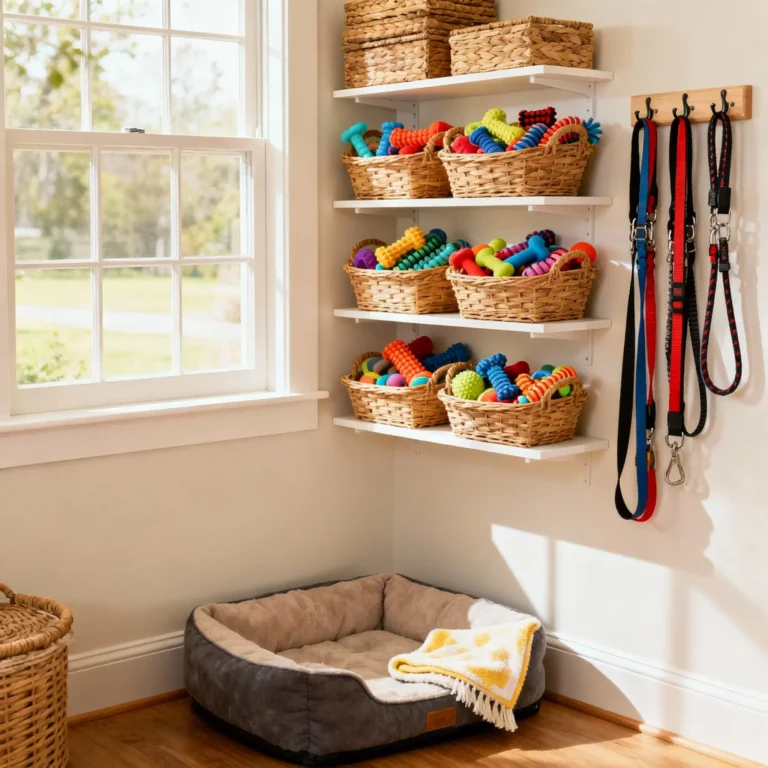
When storage is needed, ensure toys are placed in a dry, cool environment to avoid mildew or mold growth. Using an airtight container or tying a fabric bag with a small vent can preserve texture quality. Remember to rotate the toys seasonally; a pet that uses a particular rope every day may develop an attachment to its texture, but diversifying play keeps their interest high and prevents over‑chewing of a single item.
Turn Your Trash into Treasure! By using recycled materials, you not only give your pets a more personalized toy experience, but you also create a sustainable loop that keeps plastic waste out of the landscape. Grab those old t‑shirts, bottle caps, and towels, and start crafting new, safe, and exciting pet toys today. The combination of creativity, mindfulness, and animal enrichment makes recycled pet toys a perfect project for every eco‑conscious pet owner.
Frequently Asked Questions
Q1. Are recycled materials safe for all pets?
Yes, when carefully selected. Safety hinges on choosing non‑toxic, food‑grade fabrics, removing small detachable parts, and ensuring any dyes used are pet‑safe. Always wash and inspect before use.
Q2. Can these toys replace commercial pet toys?
They can supplement or replace many standard toys, especially for dogs that enjoy chew or fetch. However, certain high‑performance or specialty items—such as laser pointers or electronic stimulators—are not easily replicated with recycled crafts.
Q3. How do I keep my DIY toys from attracting pests?
Store toys in sealed containers and wash them regularly. Avoid using organic, food‑based fillers, as they can attract insects. Use inert materials like recycled paper shredded for stuffing.
Q4. What if my pet loves to chew and destroys the toy quickly?
Choose denser, more durable items: thicker denim for ropes, sturdy plastic bottles for chewy blocks, or braided twine for tug toys. Replace or reinforce the toy after each destructive play session.
Q5. Can I incorporate scents into recycled pet toys safely?
Yes—use natural, pet‑safe scents such as dried mint or baking soda. Add a small sachet made from cotton and ensure no loose particles remain that could be swallowed.