Creating Safe Yards for Pets
Creating Safe Yards for Pets
As a pet owner, ensuring your yard is a safe and enjoyable space for your furry friends is crucial. A well-designed yard can provide your pets with a healthier, happier environment. This guide will walk you through essential steps to create a secure, pet-friendly outdoor space.
RemoveHazards
1. Identify and Eliminate Potential Dangers
Yards often harbor hidden dangers for pets. Start by thoroughly inspecting your yard to identify any potential hazards.
- Toxic Substances: Keep chemicals, fertilizers, and pesticides out of reach. Use pet-safe alternatives to maintain your lawn without risking your pet’s health.
- Sharp Objects: Check for any sharp objects or debris that could harm your pets, such as broken glass or metal fragments.
- Unstable Structures: Ensure fences, decks, and other structures are secure. Loose boards or weak points can lead to injuries or escape attempts.
By addressing these hazards, you create a safer environment for your pets to explore and play.
PetFriendlyPlants
2. Choose Pet-Friendly Plants
Not all plants are safe for pets. Some can be toxic, causing severe health issues if ingested. Here are some tips for selecting pet-safe flora:
- Non-Toxic Options: Opt for plants like grass, daisies, sunflowers, and catnip, which are safe for your pets.
- Avoid Toxic Plants:Steer clear of plants such as lilies, sago palms, and oleander, which can be harmful to pets.
- Educate Yourself: Research each plant before planting to ensure it’s safe for your pets. The ASPCA has a helpful list of toxic and non-toxic plants.
Planting a pet-friendly garden not only enhances your yard’s beauty but also ensures your pets can safely graze or sniff around.
SecureFencing
3. Install Secure Fencing
Fencing is a critical component of a pet-friendly yard, preventing escape and protecting your pets from external dangers. Consider the following when choosing or enhancing your fence:
- Height and Material: A sturdy, tall fence can deter jumping. Common materials include wood, vinyl, or metal. Burying the fence 12 inches underground can prevent digging escape attempts.
- ** Gates and Latches**: Ensure gates are secure with strong latches. Self-closing gates can prevent accidental openings.
- Supervision: Always supervise your pets when they’re in the yard, especially in the early stages of acclimation.
Proper fencing not only keeps your pets safe but also adds value and appeal to your home.
ShelterWater
4. Provide Adequate Shelter and Water
Ensuring your pets have access to shelter and water is vital for their well-being, especially during extreme weather conditions.
- Shelter Options: Provide shelter like a doghouse or covered area to protect your pets from sun, rain, or wind. Ensure it’s well-ventilated, dry, and comfortable.
- Water Sources: Keep a clean, fresh water supply available. Consider a pet-friendly water feature, like a small pond with fresh water, but ensure it’s safe and accessible.
- Placement Tips: Position shelters and water sources in shaded areas to prevent overheating and keep them away from potential hazards.
Adequate shelter and water are fundamental for your pets’ health and happiness in the yard.
FunZones
5. Create Safe Play Zones
Dedicated play areas can encourage physical activity and mental stimulation for your pets. Here’s how to create a fun, safe zone:
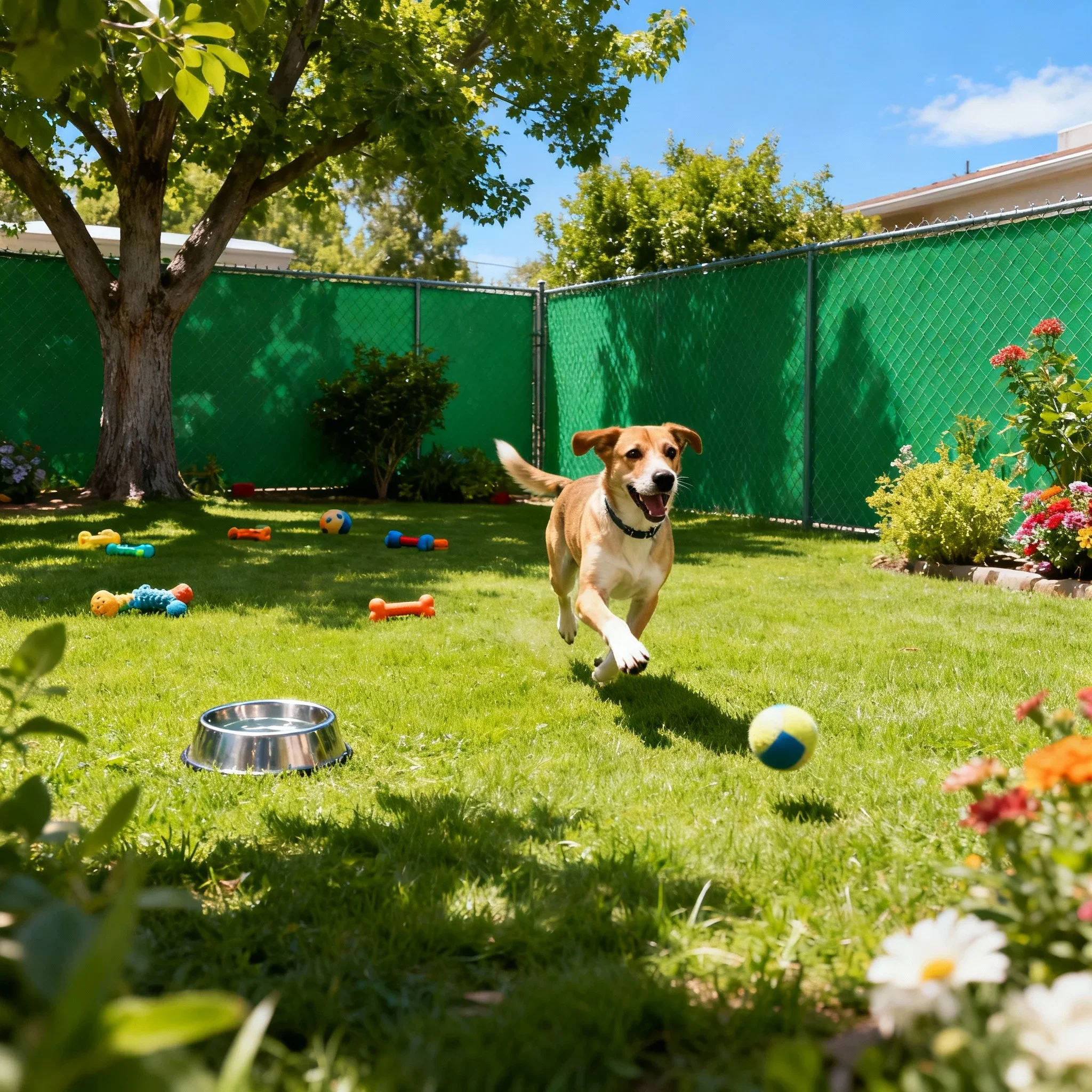
- Separate Areas: Designate a specific area for play to keep it organized. Use pet-safe toys and accessories.
- Digging Pits: If your pet enjoys digging, create a sand-filled pit where they can dig safely without damaging your garden.
- Seating for Owners: Include seating so you can relax while supervising your pets, fostering a sense of community and safety.
Play zones promote exercise and enjoyment, making your yard a vibrant space for both pets and people.
Maintenance
6. Regular Maintenance
Maintaining your yard regularly ensures it stays safe and welcoming for your pets.
- Clean Up: Frequently remove debris, waste, and dead plants. Regularly mow grass to prevent overgrowth.
- Waste Management: Clean up after your pets promptly to prevent the spread of diseases and parasites.
- Pest Control: Use pet-safe methods to control pests like fleas, ticks, and rodents.
- Inspect Fences and Structures: Regularly check for wear and tear, making repairs as needed to maintain security.
Consistent upkeep ensures your yard remains hazard-free and comfortable for your pets year-round.
Conclusion
Creating a pet-friendly yard involves careful planning and regular maintenance but offers numerous benefits for your pets’ health and happiness. By removing hazards, choosing the right plants, securing fencing, providing shelter, creating play zones, and maintaining the space, you can craft a safe, enjoyable outdoor environment for your furry companions.
Remember, every pet is unique, so tailor your yard to meet their specific needs and preferences. With these tips, your yard can become a haven where your pets thrive, bringing joy and companionship to your family.