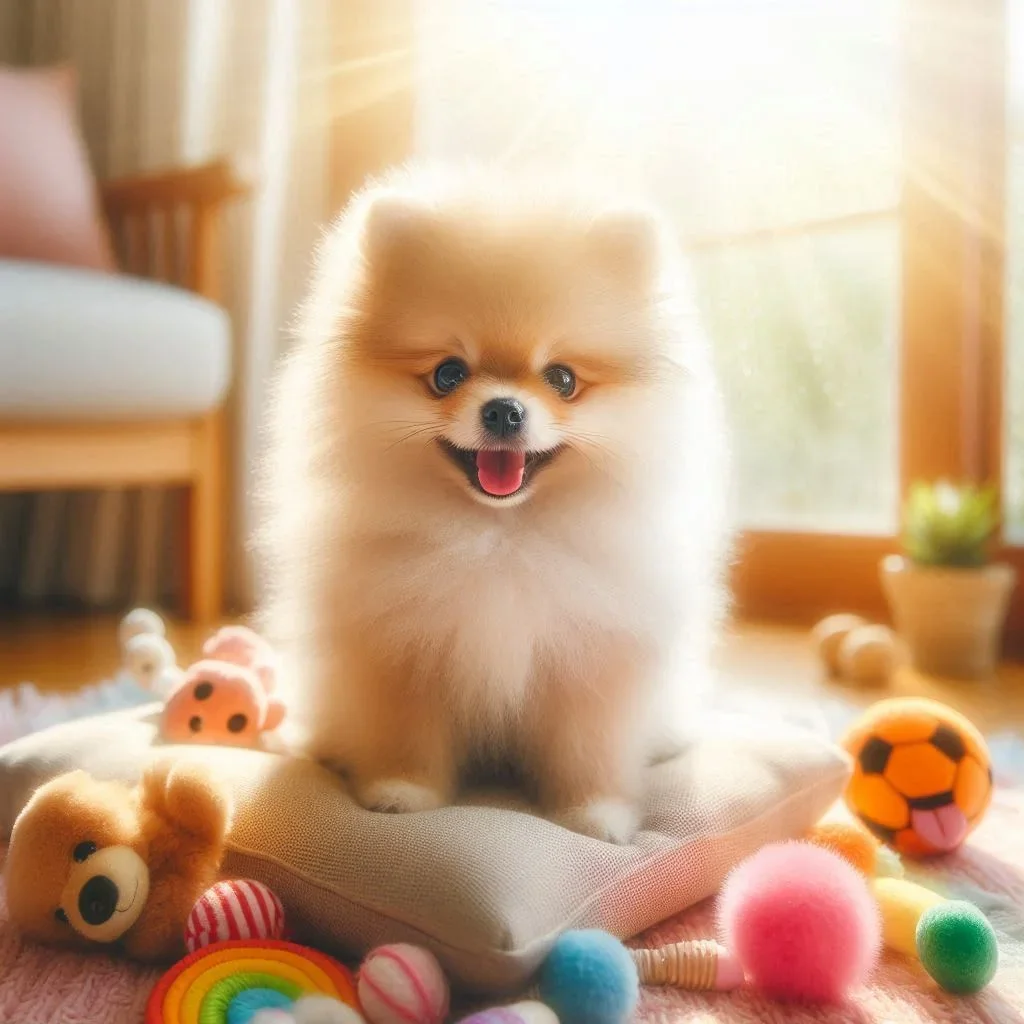
Creating a Training Zone for Puppies in Your Living Room
Turning your living room into a training zone for your new puppy can be a smart move. It’s convenient, comfortable, and allows you to integrate training into your daily routine. Whether you’re housebreaking, teaching basic commands, or working on socialization, having a dedicated training area can make the process smoother for both you and your puppy.
In this blog post, we’ll guide you through the steps to create an effective training zone in your living room, including tips on puppy-proofing, essential supplies, and establishing a routine. By the end, you’ll have a well-organized space that’s perfect for raising a well-behaved and well-adjusted puppy.
How to Prepare Your Living Room for Puppy Training
Before you start training, it’s important to prepare your living room to ensure it’s safe and conducive for your puppy. Here are a few steps to get started:
1. Puppy-Proof Your Space
Puppies are naturally curious and love to explore their surroundings. To keep your puppy safe and your belongings intact, you’ll need to puppy-proof your living room. Here are some tips:
- Secure loose wires and electrical cords: Puppies love to chew, and electrical cords can be dangerous if bitten. Use cord protectors or secure them out of reach.
- Move fragile items: Breakable or valuable items should be moved to high shelves or another room where your puppy can’t reach them.
- Block off restricted areas: Use baby gates or pet gates to block off areas you don’t want your puppy to access.
- Remove hazardous items: Toxic substances, cleaning supplies, and medications should be stored in a secure location.
For more information on puppy-proofing your home, you can visit the ASPCA’s guide on puppy-proofing.
2. Minimize Distractions
Your living room can be a busy place, especially if it’s where your family gathers to watch TV, eat, or relax. To help your puppy focus during training, consider minimizing distractions during training sessions:
- Turn off the TV or keep the volume low.
- Ask family members to stay out of the training area or keep noise levels down.
- Keep windows closed if there are distracting noises outside.
3. Choose a Designated Training Area
Within your living room, choose a specific area for training. This could be a corner, a section of the room, or even a portable pen. Having a designated training area helps your puppy associate that space with learning and focus.
Essential Supplies for Your Puppy Training Zone
Having the right supplies is crucial for effective puppy training. Here are some must-haves for your training zone:
1. A Crate
A crate is an essential tool for housetraining and providing a safe space for your puppy. Choose a crate that’s the right size for your puppy, with enough room to stand, turn around, and lie down comfortably. Place the crate in your training zone and make it a comfortable space with a soft bed or blanket.
For tips on crate training, check out the [Humane Society’s guide to crate training](https://www.humanesociety.org/resources/how Crate training can help with housetraining).
2. Puppy Bedding
In addition to the crate, you’ll need some puppy-safe bedding. Choose washable, durable materials that can withstand chewing and accidents. You can also place a puppy bed or mat in the training area for your puppy to relax during training breaks.
3. Toys and Treats
Toys and treats are great for keeping your puppy engaged during training. Choose durable, puppy-safe toys that won’t break easily, and opt for tasty, low-calorie treats that your puppy will love.
4. Puppy Training Pads
If you’re housetraining your puppy, training pads can be a helpful tool. Place them in the training zone to give your puppy a designated area for bathroom breaks.
5. Treat Bags and Pouches
Treat bags or pouches are handy for keeping treats accessible during training sessions. Choose a bag that’s easy to open and close with one hand.
6. Clicker or Training Aid
A clicker or other training aid can help you communicate clearly with your puppy during training. Use it to mark good behavior and reward your puppy with treats or praise.
Setting Up the Training Zone
Once you’ve prepared your space and gathered your supplies, it’s time to set up the training zone. Here’s how to do it:
1. Place the Crate in a Quiet Corner
Position the crate in a quiet corner of the room, away from high-traffic areas. This will help your puppy feel safe and secure during training.
2. Define the Training Area
Use baby gates or a portable pen to define the training area. This will help your puppy understand where the training zone is and help you maintain focus during sessions.
3. Add Puppy-Safe Toys and Chews
Place a few puppy-safe toys and chews in the training area to keep your puppy occupied during breaks. Choose durable toys that can withstand chewing.
4. Set Up a Feeding Station
If you plan to feed your puppy in the training zone, set up a feeding station with a sturdy, easy-to-clean bowl and a high-quality puppy food. Feeding your puppy in the training zone can help them associate the space with positive experiences.
Establishing a Training Routine
Consistency is key when it comes to puppy training. Here’s how to establish a routine that works for you and your puppy:
1. Set a Schedule
Puppies thrive on routine, so set a schedule for training sessions and stick to it. Aim for short, frequent sessions (5-10 minutes) to keep your puppy engaged.
2. Use Positive Reinforcement
Positive reinforcement is the most effective method for training puppies. Reward your puppy with treats, praise, and affection when they perform desired behaviors.
3. Focus on Basic Commands
Start with basic commands like “sit,” “stay,” “come,” and “leave it.” These commands will help you establish communication with your puppy and lay the foundation for more advanced training.
4. Incorporate Socialization
Socialization is crucial for puppies. Use your training sessions to introduce your puppy to new people, sounds, and experiences to help them become confident and well-adjusted.
For more information on socialization, visit the American Kennel Club’s guide to puppy socialization.
Tips for Effective Puppy Training
Here are some additional tips to help you make the most of your training zone:
1. Keep Training Sessions Short
Puppies have short attention spans, so keep training sessions short and fun. Aim for 5-10 minute sessions, and end on a positive note while your puppy is still engaged.
2. Be Consistent
Consistency is key to successful puppy training. Use the same commands, hand signals, and rewards each time you train to help your puppy understand what you’re asking.
3. End on a Positive Note
Always end training sessions on a positive note, with plenty of praise and rewards. This will help your puppy associate training with positive experiences.
4. Incorporate Play
Playtime is an important part of puppy training. Use play as a reward and to keep your puppy engaged during training sessions.
The Importance of Play in Puppy Training
Play is more than just fun for your puppy—it’s an essential part of their development and training. Here’s how play can benefit your puppy:
1. Burns Energy
Puppies have lots of energy, and play helps them burn it off. A tired puppy is a better learner and less likely to act out during training.
2. Builds Bond
Play helps you build a strong bond with your puppy. It’s a way to connect and establish trust, which is crucial for effective training.
3. Improves Focus
Play can help improve your puppy’s focus and concentration. Use play as a reward during training to keep your puppy engaged and motivated.
4. Enhances Learning
Play is a natural way for puppies to learn. It helps them practice problem-solving skills, coordination, and social skills.
Monitoring and Adjusting Your Training Zone
As your puppy grows and learns, you’ll need to adjust your training zone to meet their changing needs. Here’s how to monitor and adjust your training zone:
1. Observe Your Puppy’s Behavior
Pay attention to your puppy’s behavior during training. If they seem bored, distracted, or overstimulated, it may be time to adjust the training zone.
2. Increase Challenge
As your puppy learns and grows, you’ll need to increase the challenge of training sessions. Introduce new commands, extend the duration of training sessions, and gradually phase out treats as rewards.
3. Expand the Training Area
Once your puppy is comfortable in the training zone, you can gradually expand the area to include other parts of the house. This will help them generalize their training and behave well in different environments.
4. Update Supplies
As your puppy grows, you’ll need to update their supplies. Replace small toys and bedding with larger, more durable options, and adjust the size of their crate as needed.
Safety and Supervision
Safety and supervision are crucial when it comes to puppy training. Here are some tips to ensure your puppy stays safe during training:
1. Supervise at All Times
Supervise your puppy at all times during training sessions. Puppies can get into trouble quickly, so it’s important to keep a close eye on them.
2. Prevent Accidents
To prevent accidents during training, make sure your puppy has access to training pads or is taken outside frequently for bathroom breaks.
3. Watch for Signs of Fatigue
Puppies can get overwhelmed and tired quickly. Watch for signs of fatigue, such as yawning, drooping ears, or lack of interest, and take a break if needed.
4. Ensure Proper Ventilation
Ensure the training zone has good ventilation to keep your puppy comfortable during training sessions.
Conclusion
Creating a training zone for your puppy in your living room is a great way to make training convenient, effective, and enjoyable. By puppy-proofing your space, gathering the right supplies, and establishing a routine, you can create a safe and productive environment for your puppy to learn and grow.
Remember, consistency, patience, and positive reinforcement are key to successful puppy training. With time and effort, you’ll help your puppy become a well-behaved and well-adjusted member of your family.
So, why wait? Start setting up your training zone today and give your puppy the best possible start in life. Happy training!
ASPCA’s guide on puppy-proofing