Creating a Stimulating Environment for Parrots and Small Birds
Designing an Engaging Home for Your Feathered Friends
Creating a stimulating environment for parrots and small birds is essential for their physical and mental well-being. These intelligent and social creatures thrive in spaces that challenge their minds and bodies, fostering a happy and healthy life. In this guide, we’ll explore how to design an engaging home for your feathered friends, ensuring they lead fulfilling lives.
Understanding the Spatial Needs of Birds
Birds require adequate space to move, fly, and exercise. A cramped environment can lead to stress and health issues. Here are some tips to ensure your bird has enough space:
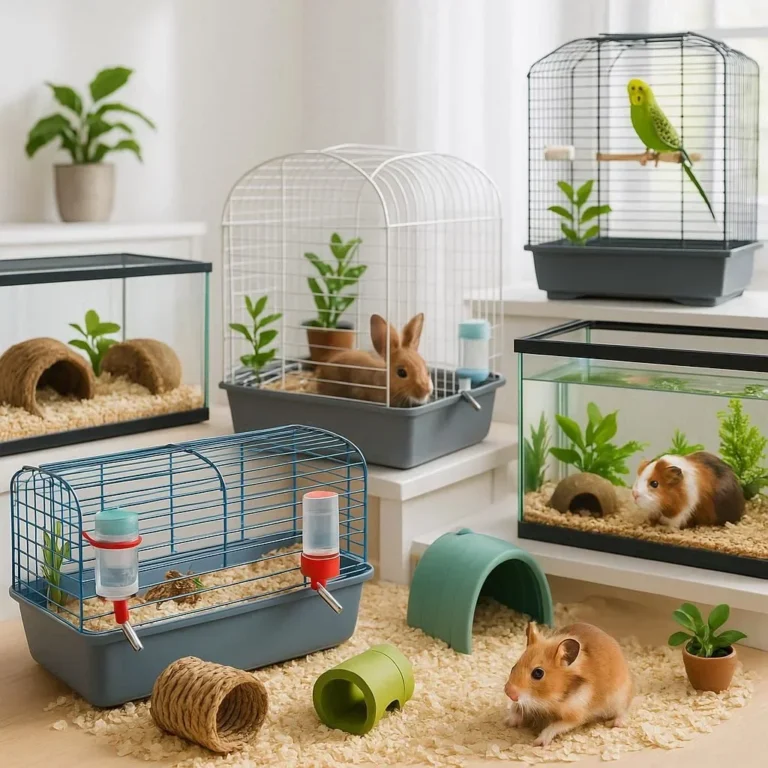
- Cage Size: Choose a cage that is spacious enough for your bird to spread its wings and move around comfortably. The cage should be longer horizontally than vertically, allowing your bird to fly short distances.
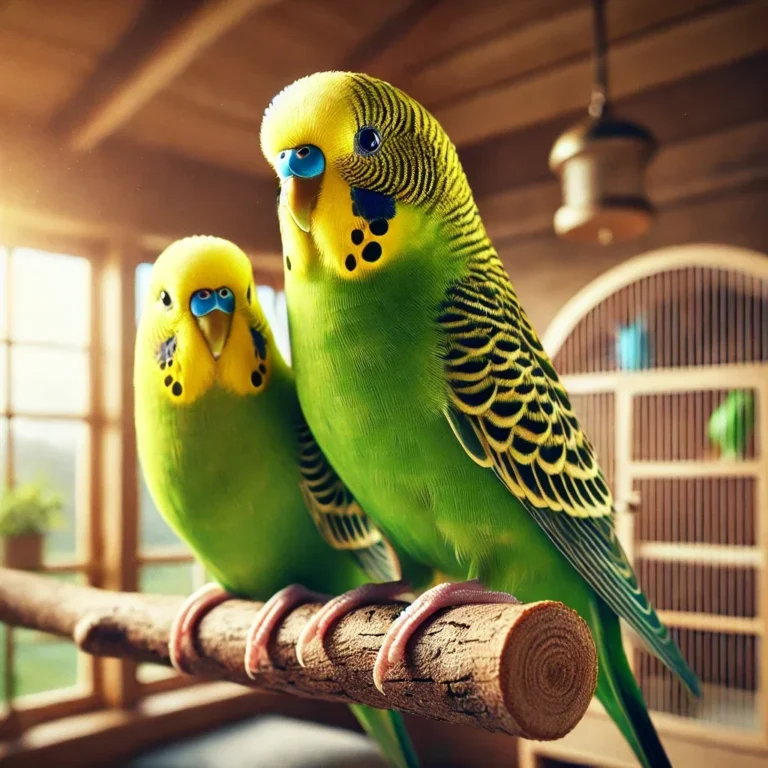
- Perches and Swings: Add multiple perches of varying diameters to mimic natural branches. This helps strengthen your bird’s feet and legs. Swings and ladders can also provide entertainment and exercise.
- Flight Space: If possible, create a dedicated flight area outside the cage where your bird can fly freely. This could be a aviary or a bird-proof room.
Environmental Enrichment
Environmental enrichment is crucial for keeping your bird’s mind active. A stimulating environment can prevent boredom and stress. Here are some ways to enrich your bird’s surroundings:
- Toys and Activities: Rotate toys regularly to keep your bird interested. Use a variety of toys such as chew toys, puzzle toys, and foraging toys. You can also introduce interactive games like hide-and-seek.
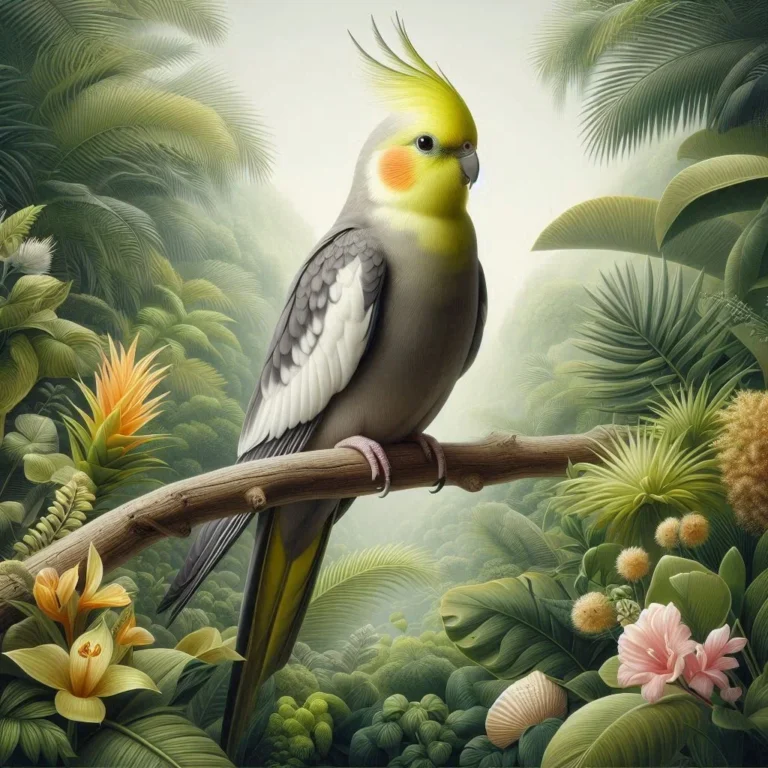
- Natural Elements: Incorporate natural elements like branches, leaves, and plants into your bird’s environment. This mimics their natural habitat and provides mental stimulation.
- Sensory Stimulation: Birds have a keen sense of sight, hearing, and touch. Use colorful toys, play calming music, and offer different textures like wood, rope, and fabric to keep your bird engaged.
The Importance of Social Interaction
Parrots and small birds are social animals that require regular interaction. Social interaction helps reduce stress and strengthens the bond between you and your bird. Here are some ways to encourage social interaction:
- Time Outside the Cage: Spend quality time with your bird daily, letting it explore and interact with you. This can include playing with toys together or simply sitting near the cage.
- Group Housing: If you have multiple birds, consider housing them together provided they get along. Social interaction with other birds can be very enriching.
- Training Sessions: Engage your bird in training sessions. Teaching tricks and commands can be a fun and stimulating activity for both you and your bird.
Providing Mental Stimulation
Mental stimulation is just as important as physical exercise for birds. Keeping your bird’s mind active prevents boredom and stimulates natural behaviors. Here are some ways to provide mental stimulation:
- Puzzle Feeders: Use puzzle feeders that challenge your bird to work for its food. This mimics foraging behaviors and keeps your bird’s mind active.
- Problem Solving: Create simple puzzles or challenges for your bird to solve. For example, hide treats in various locations or use interactive toys that require problem-solving.
- Observation and Exploration: Place your bird’s cage near a window so it can observe the outdoors. This provides entertainment and mental stimulation through observation.
Creating a Sensory Experience
Birds have a keen sense of sight, hearing, and touch, which can be stimulated through various environmental elements. Here are some ways to create a sensory experience for your bird:
- Visual Stimulation: Use vibrant colors, changing decorations, and moving objects like wind chimes ormobiles to keep your bird visually engaged.
- Auditory Stimulation: Play calming music or nature sounds near your bird’s cage. Some birds also enjoy mimicking human speech or other sounds they hear.
- Tactile Stimulation: Provide a variety of textures such as wood, rope, and soft fabrics for your bird to explore with its beak and feet.
Monitoring and Adapting the Environment
Every bird is different, so it’s important to monitor your bird’s preferences and adapt its environment accordingly. Here are some tips for monitoring and adapting:
- Observe Behavior: Pay attention to your bird’s behavior and reactions to different toys, colors, and activities. If your bird shows a preference for certain items, incorporate more of those into its environment.
- Rotate Toys and Accessories: Regularly rotate toys and accessories to keep the environment fresh and interesting. This prevents boredom and keeps your bird engaged.
- Adjust Layout: Periodically rearrange the layout of the cage or flight area to create a new and exciting space for your bird to explore.
The Importance of a Stimulating Environment
A stimulating environment is not just about keeping your bird entertained; it’s essential for its overall health and well-being. Here are some reasons why a stimulating environment is crucial:
- Prevents Boredom: Boredom can lead to behavioral problems such as feather plucking, screaming, and aggression. A stimulating environment keeps your bird engaged and mentally active.
- Encourages Exercise: A stimulating environment encourages physical activity, which is essential for maintaining strong muscles and overall health.
- Strengthens Bond: Spending time with your bird and creating a stimulating environment strengthens the bond between you and your feathered friend.
Conclusion
Creating a stimulating environment for parrots and small birds requires attention to their spatial, social, and mental needs. By providing adequate space, environmental enrichment, social interaction, and mental stimulation, you can create a home where your bird thrives. Remember to monitor your bird’s preferences and adapt its environment accordingly to ensure a happy and healthy life.
Call to Action: Start creating a stimulating environment for your parrot or small bird today! Whether it’s adding new toys, rearranging the cage, or spending more quality time with your feathered friend, every small change can make a big difference in their life.
Frequently Asked Questions (FAQs)
Q: How often should I rotate my bird’s toys?
A: It’s recommended to rotate your bird’s toys every 1-2 weeks to keep the environment fresh and engaging. Introducing new toys periodically can also help prevent boredom.
Q: Can I keep two parrots in the same cage?
A: Yes, but it’s important to ensure they are compatible and have enough space. Introducing birds slowly and under supervision can help prevent conflicts.
Q: How much time should I spend with my bird daily?
A: Spend at least 2-3 hours interacting with your bird daily. This can include time outside the cage, playing, and simply sitting near the cage.
Q: What are the best toys for mental stimulation?
A: Puzzle feeders, interactive toys, and problem-solving toys are excellent for mental stimulation. These toys challenge your bird to work for rewards, mimicking natural foraging behaviors.
Q: How can I tell if my bird is bored?
A: Signs of boredom include feather plucking, excessive screaming, and lack of interest in toys or activities. If you notice these behaviors, it’s time to enrich your bird’s environment. Learn more about recognizing signs of boredom in birds.