Creating a Routine That Keeps Pets Happy
Maintaining a happy and healthy pet is one of the most rewarding experiences for any pet owner. However, it requires more than just providing food and shelter. Pets thrive on consistency, and establishing a routine can play a crucial role in their overall well-being. A well-structured daily routine not only ensures your pet stays physically active but also mentally stimulated, socially engaged, and emotionally stable.
In this blog post, we will explore the importance of creating a routine for your pets and provide practical tips on how to design a schedule that keeps them happy and content.
Why Routines Matter for Pets
Pets, like humans, benefit from predictability. A consistent routine provides a sense of security and stability, which is especially important for animals that may otherwise feel anxious or uncertain. Here are some key reasons why routines are essential for pets:
1. Reduces Anxiety and Stress
Pets can sense changes in their environment, and sudden shifts in their daily schedule can cause anxiety. A consistent routine helps them feel safe and secure, knowing what to expect at different times of the day.
2. Promotes Physical Health
Regular feeding times, exercise, and play sessions ensure that your pet is getting the physical activity they need to stay healthy. A well-balanced routine helps prevent obesity, keeps their muscles toned, and supports overall physical well-being.
3. Encourages Mental Stimulation
Pets need mental stimulation to prevent boredom and destructive behavior. A routine that includes playtime, training sessions, and interactive activities keeps their minds active and engaged.
4. Strengthens Bond Between Pet and Owner
Spending quality time with your pet through a structured routine strengthens your bond and builds trust. Whether it’s during feeding, playtime, or grooming, these moments create lasting memories and deepen your relationship with your pet.
5. Helps with House Training
For younger pets or those still in the process of house training, a consistent routine helps them learn when it’s time to eat, sleep, and go outside. This consistency makes the training process smoother and more effective.
Factors to Consider When Creating a Routine
Before you start designing a routine for your pet, there are several factors to take into account to ensure it meets their specific needs and is sustainable for you as the pet owner.
1. Age and Breed
Different breeds and ages of pets have varying needs. For example, puppies require more frequent feeding and play sessions compared to adult dogs. Similarly, senior pets may need more rest and less strenuous activities.
2. Lifestyle and Schedule
Your daily routine should align with your own schedule to ensure consistency. If you have a busy work schedule, you’ll need to create a routine that fits around your availability, possibly including time blocks for morning and evening activities.
3. Health Conditions
Pets with health conditions may require special attention. For instance, a pet with diabetes will need a strict feeding schedule, while a pet with arthritis may need gentle exercise sessions.
4. Environmental Factors
The environment in which your pet lives also plays a role in their routine. For example, if you live in an apartment, your pet may require more indoor activities, while outdoor spaces can provide additional opportunities for exercise and exploration.
Tips for Creating a Routine That Keeps Pets Happy
Now that we’ve covered the importance of routines and the factors to consider, let’s dive into some practical tips for creating a routine that keeps your pets happy and healthy.
1. Establish Consistent Feeding Times
Feeding your pet at the same time every day helps regulate their digestive system and prevents overeating or undereating. Here are some tips for establishing consistent feeding times:
- Determine the Best Feeding Schedule: Depending on your pet’s age, breed, and health, you may need to feed them twice a day or more frequently. Consult your veterinarian to determine the best feeding schedule for your pet.
- Use a High-Quality Diet: Providing your pet with a balanced and nutritious diet ensures they are getting all the nutrients they need to stay healthy. Avoid overfeeding treats and snacks, as this can lead to weight gain and other health issues.
- Create a Feeding Ritual: Develop a pre-feeding ritual, such as calling your pet’s name or using a specific command, to signal that it’s time to eat. This helps create a sense of routine and can make mealtime more enjoyable for your pet.
2. Incorporate Regular Exercise and Playtime
Physical activity is crucial for maintaining your pet’s physical and mental health. Here are some tips for incorporating regular exercise and playtime into your pet’s routine:
- Daily Walks: For dogs, daily walks are essential for exploring their surroundings, getting fresh air, and burning off energy. Aim for at least two 15-minute walks per day, depending on your dog’s breed and energy level.
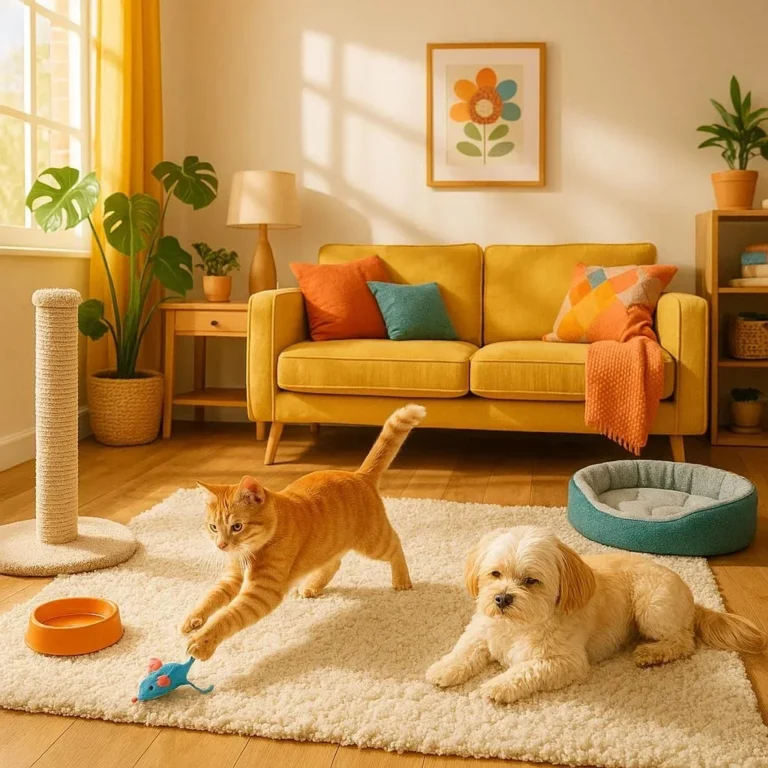
- Playtime: Whether it’s chasing a ball, playing tug-of-war, or interactive puzzle toys, playtime is a great way to keep your pet mentally and physically stimulated. Allocate at least 30 minutes each day for play activities.
- Indoor Activities: On days when outdoor activities aren’t possible, engage your pet with indoor games like hide-and-seek, stair climbing, or interactive treat dispensers.
3. Set Aside Time for Grooming
Grooming is more than just maintaining your pet’s appearance; it also plays a role in their hygiene and comfort. Here are some tips for incorporating grooming into your pet’s routine:
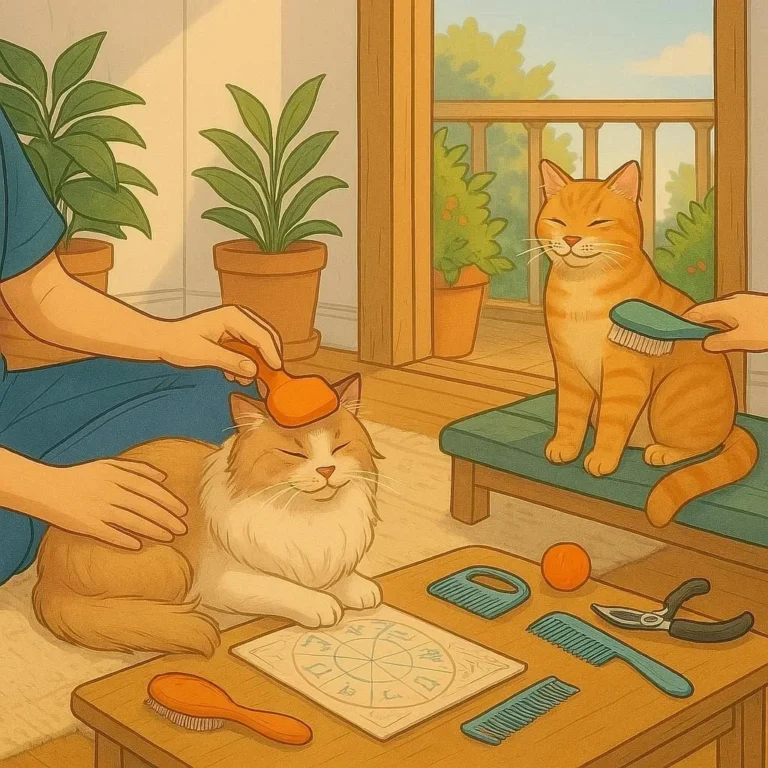
- Brush Their Coat: Regular brushing helps remove tangles and mats, distributes natural oils for a healthy coat, and prevents shedding. Depending on your pet’s coat type, you may need to brush them daily or a few times a week.
- Nail Trimming: Long nails can cause discomfort and health issues. Trim your pet’s nails regularly, or take them to a groomer if you’re not comfortable doing it yourself.
- Bath Time: Bathing your pet regularly keeps their skin clean and-free from dirt and parasites. However, over-bathing can strip their coat of natural oils, so consult your veterinarian for advice on how often to bathe your pet.
4. Provide Mental Stimulation
Pets need mental stimulation to prevent boredom and destructive behavior. Here are some ways to provide mental stimulation for your pet:
- Interactive Toys: Use puzzle toys and interactive games that challenge your pet to figure out how to get a treat. These toys are especially useful for pets that are left alone for extended periods.
- Training Sessions: Engage your pet in regular training sessions to teach new commands or reinforce existing ones. Training not only provides mental stimulation but also strengthens your bond with your pet.
- Sensory Play: Provide your pet with a variety of textures, smells, and tastes to explore. For example, you can offer them a Kong toy filled with peanut butter or hide treats around the house for them to find.
5. Create a Relaxation Routine
Just like humans, pets need time to relax and unwind. Creating a relaxation routine can help your pet manage stress and recharge. Here are some ways to incorporate relaxation into your pet’s routine:
- Quiet Time: Set aside time each day for your pet to rest and relax without any distractions. This can be during a nap or simply sitting calmly in a quiet area.
- Calming Aids: If your pet experiences anxiety or stress, consider using calming aids like pheromone diffusers, calming music, or anti-anxiety toys.
- Massage Therapy: Gentle massage can be beneficial for pets, helping to reduce muscle tension and promote relaxation. There are many guides and videos available online that teach pet owners how to massage their pets safely and effectively.
6. Incorporate Social Interaction
Social interaction is crucial for pets, especially those that are naturally social, such as dogs. Here are some ways to incorporate social interaction into your pet’s routine:
- Playdates: Arrange playdates with other pets to give your pet the opportunity to interact and play with others. This is especially important for puppies and kittens that are in the socialization phase.
- Training Classes: Enroll your pet in training classes where they can interact with other pets and learn new skills. Training classes also provide a structured environment for socialization.
- Outings: Take your pet on outings to parks, pet stores, or other pet-friendly locations where they can meet new people and animals. This helps them become confident and calm in new environments.
7. Set a Bedtime Routine
A consistent bedtime routine helps your pet wind down and prepares them for a restful night’s sleep. Here are some tips for creating a bedtime routine:
- Set a Specific Bedtime: Decide on a specific time each night for your pet to go to bed and stick to it, even on weekends.
- Wind Down Activities: Engage in calming activities before bedtime, such as a gentle walk, light play, or a relaxing grooming session.
- Create a Comfortable Sleeping Environment: Ensure your pet has a comfortable and safe place to sleep. For dogs, this could be a crate or a cozy dog bed, while cats may prefer a soft blanket or litter box.
- Limit Screen Time: Avoid exposing your pet to screens or bright lights before bedtime, as this can interfere with their ability to fall asleep.
8. Be Flexible and Adapt as Needed
While consistency is key, it’s important to remain flexible and adapt your routine as needed. Pets, like humans, go through different stages in life, and their needs may change over time. Be open to making adjustments to their routine to ensure it continues to meet their needs.
Here are some tips for being flexible with your pet’s routine:
- Monitor Your Pet’s Behavior: Pay attention to any changes in your pet’s behavior, appetite, or energy levels, as these can indicate a need to adjust their routine.
- Consult Your Veterinarian: If you notice any significant changes in your pet’s health or behavior, consult your veterinarian for advice on how to adjust their routine.
- Plan for Changes: Life is unpredictable, and there may be times when you need to adjust your pet’s routine due to changes in your schedule or unforeseen circumstances. Having a backup plan in place can help minimize disruption and ensure your pet continues to receive the care they need.
Maintaining Consistency in Your Pet’s Routine
Consistency is key to making a routine effective. Here are some tips for maintaining consistency in your pet’s routine:
1. Stick to a Schedule
Create a detailed schedule that outlines your pet’s daily activities, including feeding times, playtime, grooming sessions, and bedtime. Sticking to this schedule as closely as possible ensures your pet knows what to expect and can rely on the routine for comfort.
2. Involve All Family Members
If you live with others, it’s important to involve all family members in maintaining your pet’s routine. Ensure everyone is on the same page regarding feeding times, play sessions, and other activities to avoid confusion and inconsistency.
3. Use Reminders and Alarms
Set reminders or alarms on your phone to remind you of specific tasks, such as feeding times, medication administration, or play sessions. This can help you stay on track and ensure nothing is missed.
4. Be Patient and Persistent
Establishing a routine takes time, especially for pets that are not used to a structured schedule. Be patient and persistent, and remember that it’s okay to make adjustments along the way.
5. Celebrate Small Victories
Acknowledge and celebrate the small victories, such as your pet learning to wait calmly for their food or responding to a new command. This reinforces positive behavior and makes the routine more enjoyable for both you and your pet.
Signs of a Successful Routine
A successful routine is one that keeps your pet happy, healthy, and well-adjusted. Here are some signs that your routine is working:
1. Improved Behavior
If your pet is exhibiting positive behavior, such as calmness, responsiveness to commands, and reduced destructive behavior, it’s a good sign that the routine is working.
2. Better Physical Health
A consistent routine that includes regular exercise, balanced nutrition, and proper grooming can lead to improvements in your pet’s physical health, such as a shiny coat, healthy weight, and high energy levels.
3. Stronger Bond
A routine that includes quality time with your pet strengthens your bond and builds trust. If your pet seeks your attention, responds to commands, and enjoys your company, it’s a sign of a successful routine.
4. Reduced Anxiety and Stress
If your pet seems less anxious or stressed, with fewer instances of destructive behavior, pacing, or excessive barking, it’s an indication that the routine is providing them with the security and stability they need.
5. Consistency in Elimination Habits
A consistent routine helps pets learn when and where to eliminate, leading to fewer accidents in the house. If your pet is reliably using the litter box or going outside, it’s a sign that the routine is working.
Conclusion
Creating a routine that keeps pets happy requires attention to their specific needs, consistency, and flexibility. By incorporating elements such as feeding times, exercise, playtime, grooming, and relaxation, you can create a structured schedule that promotes your pet’s physical and mental well-being. Remember, every pet is unique, and it’s important to tailor their routine to their individual needs and lifestyle. With patience, persistence, and a little creativity, you can establish a routine that keeps your pet happy, healthy, and thriving for years to come.
By following the tips and guidelines outlined in this blog post, you can create a routine that not only supports your pet’s overall well-being but also strengthens your bond and enhances your relationship. So, start today, and watch your pet flourish under the structure and care of a well-designed routine!
Word Count: 1300
SEO Keywords: pets, routine, happy pets, pet care, pet health, pet tips, pet owners, pet behavior, pet training, grooming, exercise, playtime, feeding schedule, mental stimulation, social interaction, relaxation, consistency, pet-friendly, animal behavior, pet well-being.