Crafting an Enrichment Calendar
In the busy lives we lead, our small pets deserve more than just food and shelter. They crave mental stimulation that mimics their natural environment, keeping their bodies active and their minds sharp. An enrichment calendar turns play, exercise, and training into a predictable, enriching routine that strengthens the bond between you and your companion.
Understanding Small Pet Needs
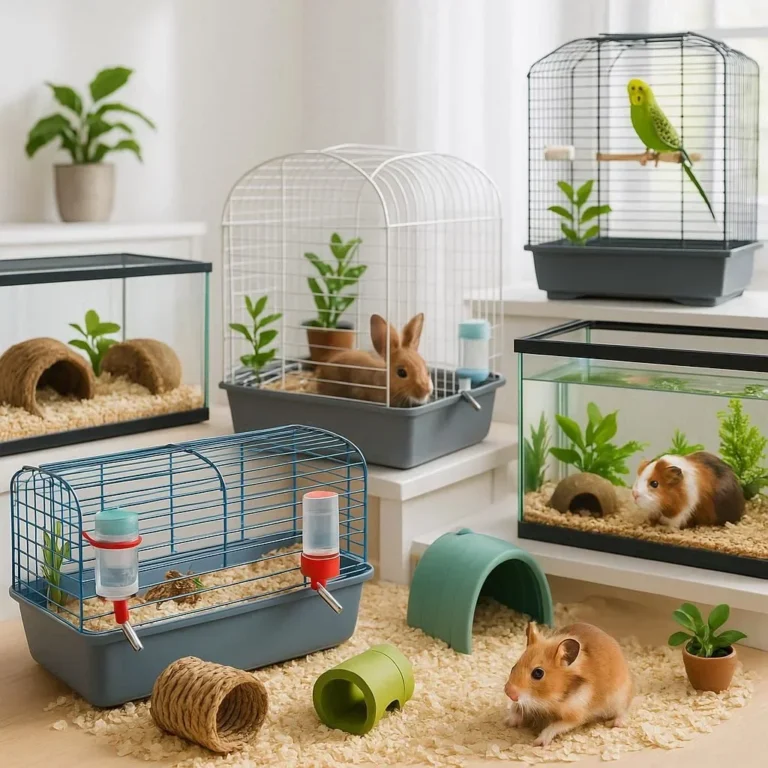
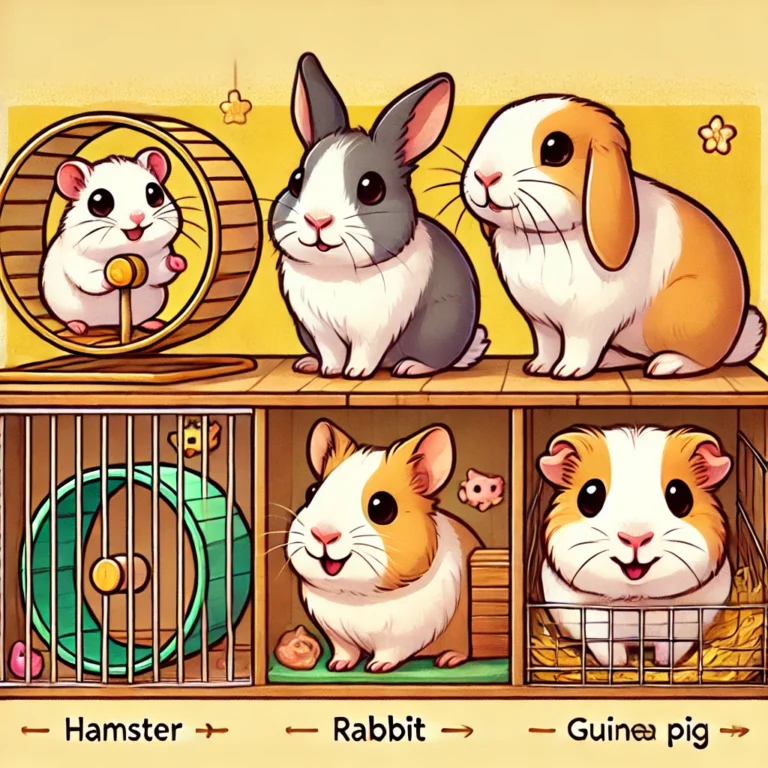
Before you draft an enrichment calendar, assess what excites your pet. Small mammals like hamsters, guinea pigs, or birds often thrive on novel textures, puzzle feeders, and scent enrichment. Rabbits love tunnels and chew sticks, while small reptiles need UV light cycles and varied substrates. Observe your pet’s behavior in both relaxed and stimulated states, noting which activities drive curiosity or comfort. This knowledge forms the foundation for a calendar that encourages natural behaviors while keeping the pet healthy and engaged. Animal enrichment principles highlight the importance of matching enrichment to species‑specific drives.
Planning Your Enrichment Calendar Layout
Designing a calendar is like choreographing a play—each day has its role, yet the overall narrative remains cohesive. Start by selecting a format: printable worksheets, spreadsheet, or a digital app that syncs reminders. Decide on a weekly block with three columns—Morning, Midday, Evening—and a monthly overview for tracking progress. Use color coding to denote activity type: physical, mental, social, and environmental. List the core categories your pet benefits from, such as:
- Physical exercise (tubes, wheels, hops)
- Mental challenges (maze toys, puzzle feeders)
- Social interaction (hand‑feeding, grooming sessions)
- Sensory stimulation (scent trails, varied textures)
- Rest and recovery (quiet corners, soothing sounds)
Align each category with recommended frequencies guided by species guidelines. For example, the AVMA stresses regular exercise for rodents, while the CDC highlights safe housing for small mammal pests. By mapping these needs, the calendar becomes a practical roadmap to holistic care.
Daily, Weekly, and Monthly Enrichment Ideas
Populate the calendar with actionable tasks. Begin with simple daily activities: a 10‑minute wheel run for hamsters, a scent patch for guinea pigs, or a new feather toy for birds. For mental stimulation, rotate puzzle feeders two to three times a week, each with different rewards. Incorporate training cues—short, positive sessions that reinforce desired behaviors, boosting confidence and engagement. Schedule a “nature walk” once a week for animals housed outdoors, exposing them to fresh air and natural light. The monthly section should reserve time for larger projects, like building a new tunnel or arranging a “chew day” with a variety of safe materials.
Use a sample matrix to visualize. Below is a compact table for a typical week:
| Time | Monday | Wednesday | Friday |
|---|---|---|---|
| Morning | Wheel run | Maze toy | Chew sticks |
| Midday | Scent trail | Hand‑feeding | Rest in quiet corner |
| Evening | Short training | New feather toy | Social cuddle |
Tracking Progress and Adjusting
Evaluation is essential. Record daily observations—evidence of interest, stress markers, or any health changes. At the end of each week, review the data: Are certain activities consistently ignored? Are your pet’s moods improving? Adjust the density of enrichment based on stress levels or energy. For instance, a sudden decline in wheel activity may signal lethargy or health issues—consult a veterinarian if symptoms persist. This iterative process keeps the calendar dynamic and responsive to your pet’s evolving needs.
Tips for Keeping It Fresh
Repetitive routines can become stale, undermining engagement. Rotate toys, change puzzle placements, and introduce new scents every two weeks. Seek community resources—local pet clubs, veterinary offices, or reputable online forums—to gather fresh idea suggestions. Collaborate with other owners by swapping enrichment tools or hosting shared “play dates.” Remember, enrichment is about stimulating curiosity, not simply providing entertainment. Varying the challenge keeps the mind active and mirrors natural foraging patterns. CDC resources emphasize the importance of stimulating environments for small rodent health.
Conclusion
Creating a comprehensive enrichment calendar is a worthwhile investment in your small pet’s well‑being. By planning diverse, species‑appropriate activities, you can foster physical fitness, psychological health, and strong bonding. Apply the steps above, adapt as you learn, and watch your companion thrive. Ready to elevate your pet’s daily life? Download our free calendar template and start enriching today with your customized enrichment calendar.
Frequently Asked Questions
Q1. How often should I change enrichment activities?
It’s best to rotate new stimuli roughly every 2–4 weeks to keep interest high while giving your pet time to master each challenge.
Q2. Can I use the same calendar for multiple small pets?
While core principles apply, each species has unique requirements; adjust the schedule to address specific needs and age differences.
Q3. What if my pet is reluctant to engage?
If they consistently ignore planned enrichment, try softer introductions—short, positive interactions—and consult a vet to rule out medical issues.
Q4. How do I monitor my pet’s progress?
Keep a simple log of activity participation, mood changes, and health observations—this data informs adjustments and highlights success.
Q5. Are there online resources for enrichment ideas?
Yes, websites like the CFA and reputable pet blogs provide inspiration and safety guidelines.