Cozy Indoor Shelter Ideas for Outdoor-Loving Pets
Many pet owners love the idea of their furry friends exploring the outdoors, but when bad weather strikes or the indoor temperature drops, they need a warm and welcoming space. Creating a cozy indoor shelter is more than just building a box; it’s about tailoring the design to the animal’s needs, behavior, and natural instincts.
Why Outdoor-Loving Pets Need a Proper Indoor Space
Outdoor-loving pets—whether dogs, cats, rabbits, or even birds—often bring the outside into the home. They gather outside wind, dust, and moisture, potentially carrying allergens back inside. A well‑designed indoor shelter mitigates these issues while still allowing the animal to feel safe and in control.
- Health benefits: A dedicated indoor shelter reduces the risk of respiratory infections and skin irritation caused by outside pollutants.
- Stress reduction: Knowing they have a personalized haven helps pets feel secure during times of change or loud noises.
- Behavioral control: It limits the tendency to chew on household items or dig in carpeted spaces.
According to the American Veterinary Medical Association, providing a consistent indoor environment is a key factor in maintaining a pet’s overall health and well‑being — especially for outdoor enthusiasts — link.
Choosing the Right Materials
Natural vs. Synthetic
- Natural materials like untreated cedar or bamboo can provide a calming scent and are breathable, reducing moisture build‑up. However, they require regular maintenance.
- Synthetic composites (polypropylene or insulated plywood) offer durability and weather resistance, with options that have antimicrobial coatings.
Insulation & Ventilation
Effective insulation keeps the temperature stable. Use eco‑friendly foam or sheep’s wool for natural breathability, and add a small ventilation hole with a lid that can be opened or closed as needed.
Safety Features
- Non-slip flooring: Use rubber mats or textured tiles to prevent slips, especially for animals with joints issues.
- No sharp edges: All corners should be rounded or padded to avoid injuries.
- Temperature control: Consider low‑impact heating options like a ceramic heat pad or a small space heater rated for veterinary use.
The Veterinary Technology Association recommends verifying the electrical safety of any heating devices to avoid fire hazards.
DIY Shelter Templates for Different Pets
1. Dog Hut with a Twist
- Base: 0.75‑inch plywood
- Walls: 0.5‑inch plywood, cut to desired height
- Roof: Two‑piece sloped roof made with plywood or plastic sheeting
- Door: A simple half‑circular cut that allows easy access
- Finish: Paint with pet‑safe, oil‑based primer
Add a ramp for elderly pets or a foldable door for breeds that dislike being locked out.
2. Cat Niche: Low‑Profile Comfort
- Structure: A shallow box with a small entrance (6 inches wide)
- Materials: Pine boards, lined with fleece for softness
- Features: A removable roof for ventilation and a detachable ladder for vertical exploration
Cats prefer to hide in small, enclosed spaces, so keep the dimensions between 16x12x10 inches for a medium cat.
3. Rabbit Hutch: Elevated & Safe
- Stand: Wooden frame elevated 12 inches above the floor to keep rabbits dry
- Flooring: Hardwood boards with a removable slatted area for waste disposal
- Roof: Clear polycarbonate to let light in while keeping out moisture
- Vent: 2‑inch circular vent with a screened lid
The American Rabbit Breeders Association highlights the importance of vertical space for rabbits to exercise climbing instincts.
Incorporating Modern Technology
Smart pet shelters are emerging. Consider:
- Temperature‑controlled bedding: Insert a gel pad that warms to a set temperature.
- Air‑purification units: Portable HEPA filters reduce allergens and odors.
- Mobile apps: Some shelters come with an app that lets you monitor temperature and set alerts.
For enthusiasts, integrating a small speaker that plays calming music can enhance the environment—research from the Journal of Veterinary Behavior notes that low‑frequency noise reduces anxiety in dogs.
Styling Tips: Make It Look Good Too
Pet shelters can blend into home décor if designed thoughtfully. Here are some aesthetic pointers:
- Color harmony: Choose earth tones—sage, taupe, or muted green—that complement living spaces.
- Materials: Mix natural wood with metal brackets for a rustic yet modern look.
- Furniture integration: Place the shelter near a windowsill or on a dedicated pet island.
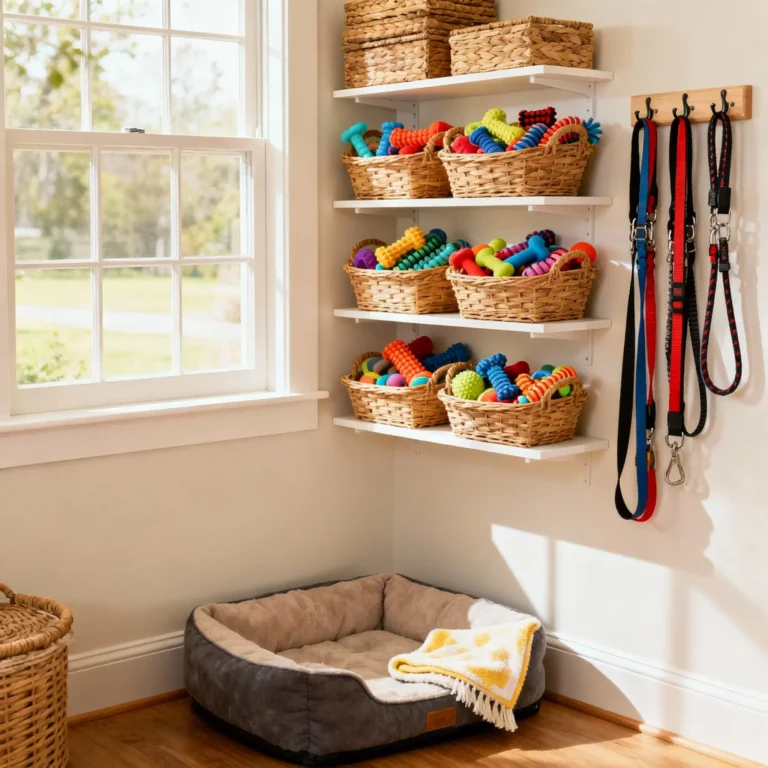
- Accessories: Add cozy blankets, plush pillows, or a small wall‑mounted shelf for toys.
The interior layout should consider the pet’s line of sight. Dogs enjoy the view; cats may prefer a more obstructed perspective.
Maintenance and Hygiene
Keeping the shelter clean is essential for a healthy environment:
- Regular cleaning: Wash bedding weekly with gentle, fragrance‑free detergent.
- Inspection: Check for signs of wear, loose boards, or mold every month.
- Ventilation: Ensure fresh air flow to prevent condensation and dampness.
The World Organization for Animal Health (OIE) provides guidelines on proper shelter hygiene—link: OIE Home.
Common Mistakes to Avoid
- Under‑insulation: Failing to account for local climate leading to uncomfortable temperatures.
- Improper ventilation: Over‑sealed structures can cause heat buildup and mold.
- Using toxic paints: Pets can inhale fumes; always choose pet‑safe coatings.
- Ignoring accessibility: Some pets need ramps or lowered doors.
Consult a veterinarian or a certified pet architect before major modifications to ensure compliance with local regulations.
Final Thoughts & Call To Action
Creating a cozy indoor shelter for your outdoor-loving pet is an investment in their health, happiness, and your peace of mind. By selecting appropriate materials, tailoring designs to species, and keeping your space clean and safe, you give your animal the best of both worlds: the thrill of the outdoors and the comfort of a personalized indoor retreat.
Ready to start building? Gather your supplies, sketch your layout, and enjoy the process of making a shelter that not only protects but also pleases. If you’ve tried a project or have a unique design twist, share your experience in the comments below or join our pet‑friendly forum for more inspiration!
For deeper insights on pet shelter construction and animal welfare, explore the detailed guidelines on the Wikipedia page on Animal Shelters Animal Shelter.