Compact Small Pets Guide
Living in a city apartment or a modest house doesn’t mean you have to give up the joy of pet companionship. Small pets that need less space are perfect for renters, busy professionals, and anyone who values a low‑maintenance animal friend. In this guide we’ll explore why smaller species thrive in confined environments, what to consider before you adopt, and which pets consistently rank as the most space‑efficient. By the end, you’ll have a clear roadmap for selecting a pet that fits comfortably into your lifestyle and living quarters.
Why Choose Small Pets for Compact Living?
Space constraints are the primary driver behind the popularity of compact animal companions. Smaller pets typically require less floor area, smaller cages or tanks, and generate fewer odors compared to larger dogs or cats. This translates into lower utility costs and easier cleaning routines. Moreover, many of these animals are naturally low‑energy, making them ideal for people who work long hours or travel frequently. According to the American Society for the Prevention of Cruelty to Animals (ASPCA), providing an environment that meets a pet’s spatial needs is a core component of responsible ownership.
Key Factors to Evaluate Before Adoption
Even though small pets demand less physical room, they still have specific needs that must be met. Consider the following criteria to ensure a happy, healthy partnership:
- Space requirements: Measure the area you can dedicate to a cage, tank, or enclosure. Remember to leave extra room for cleaning and enrichment items.
- Noise level: Some species, like certain rodents, can be squeaky or rustle bedding loudly.
- Temperature and humidity: Tropical species such as betta fish or leopard geckos need controlled environments.
- Legal restrictions: Check local ordinances; some municipalities prohibit specific exotic animals.
- Time commitment: Even low‑maintenance pets require daily feeding and periodic social interaction.
Top Small Pets That Need Less Space
Below is a curated list of pets that consistently rank high for space efficiency, ease of care, and suitability for apartment living. Each entry includes a brief overview, typical enclosure size, and a link to a reputable source for further research.
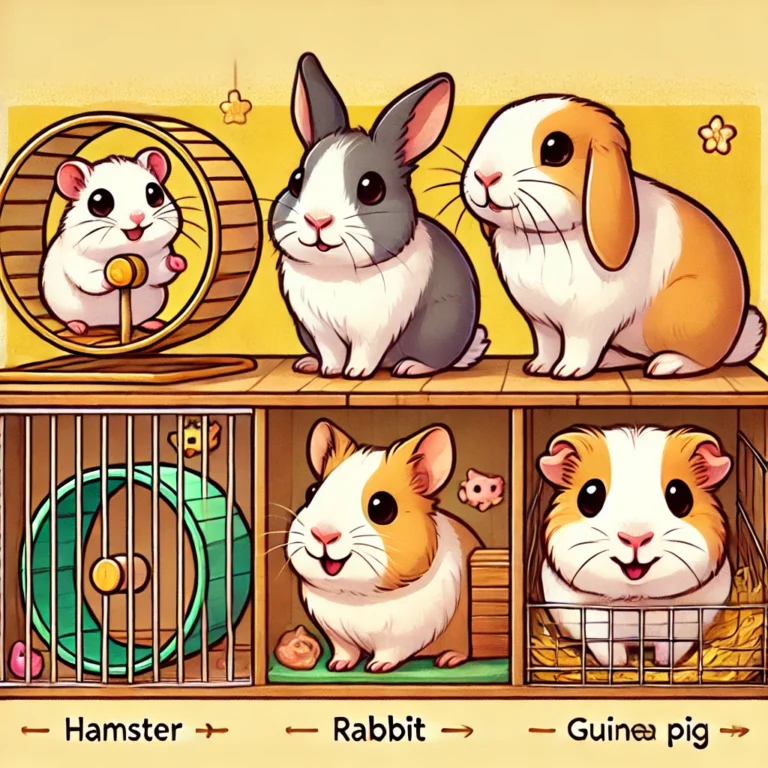
- Hamster – The classic starter pet. A 450‑square‑inch cage is sufficient for a single Syrian hamster. They are nocturnal and relatively quiet. Hamster Wikipedia
- Betta fish – Requires a minimum 2‑gallon tank with a lid to prevent jumps. Their vivid colors and low‑maintenance feeding make them popular for limited spaces. FDA Betta Care
- Leopard gecko – A reptile that thrives in a 10‑gallon terrarium. They are docile, require minimal lighting, and can tolerate occasional lapses in feeding.
- House mouse – Often overlooked, mice need a 10‑gallon cage with multiple levels for climbing. They are intelligent and can be trained with simple tricks. House Mouse Wikipedia
- Guinea pig – Slightly larger than hamsters but still compact. A 7.5‑square‑foot enclosure (approximately 30×15 inches) provides ample space for movement and socialization. AVMA Guinea Pig Care
Creating a Pet‑Friendly Micro‑Environment
Once you’ve selected a pet, the next step is designing an enclosure that maximizes comfort while minimizing clutter. Follow these expert‑backed tips:
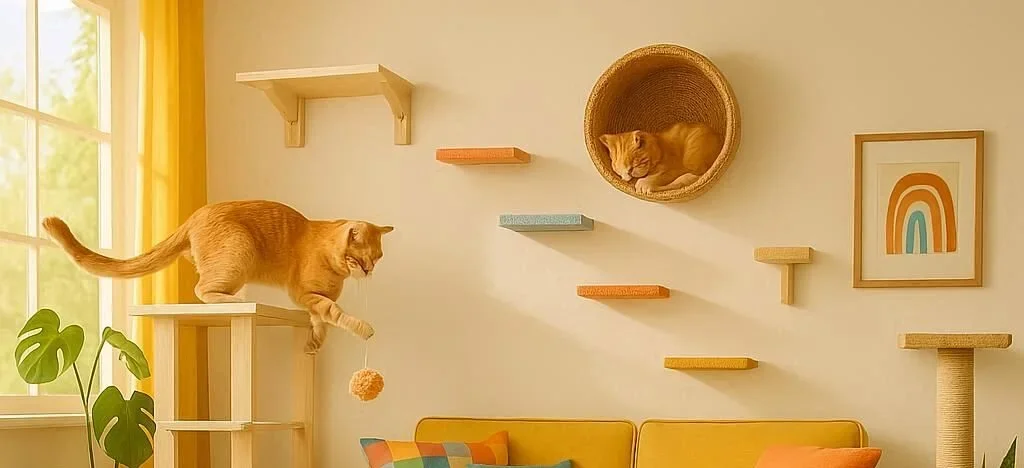
- Use vertical space. Shelves, climbing branches, and multi‑level platforms increase usable area without expanding the footprint.
- Choose low‑dust, absorbent bedding to control odor and simplify cleaning.
- Incorporate enrichment items like tunnels, puzzles, and mirrors to prevent boredom.
- Install a temperature regulator (heating pad or LED light) appropriate for the species’ natural habitat.
- Position the enclosure away from drafts, direct sunlight, and high‑traffic zones.
These strategies align with recommendations from the CDC Healthy Pets guidelines, ensuring both your pet’s welfare and your home’s cleanliness.
Low‑Maintenance Care Routines
Even the most space‑saving pets require consistent attention. A typical weekly schedule might look like this:
- Monday: Spot‑clean cage, replace soiled bedding, check water bottle.
- Wednesday: Full enclosure clean (once a month), sanitize accessories.
- Friday: Feed fresh portions, monitor weight and behavior.
- Weekend: Offer a new enrichment item or rearrange the habitat to stimulate curiosity.
This routine balances minimal daily effort with essential health checks, supporting a thriving pet without overwhelming a busy schedule.
Conclusion: Embrace Compact Companionship Today
Choosing a small pet that needs less space opens the door to responsible pet ownership, even in the tightest living conditions. By evaluating your environment, selecting a species from our vetted list, and setting up a thoughtful micro‑habitat, you can enjoy the emotional benefits of animal companionship without sacrificing space or sanity. Ready to welcome a new friend? Explore local shelters, reputable breeders, or rescue groups that specialize in these compact companions. Take the first step now and give a small pet the loving home they deserve.
Frequently Asked Questions
Q1. What size cage does a hamster need?
A single Syrian hamster thrives in a cage with at least 450 square inches of floor space. This provides enough room for a wheel, hideaway, and bedding tunnels. You should also add vertical levels to increase enrichment without expanding the footprint.
Q2. Can betta fish live in a small tank?
Yes, bettas can thrive in a minimum 2‑gallon tank that has a secure lid to prevent jumps. The water should be filtered or changed regularly to maintain water quality. Adding live plants or decorations replicates their natural habitat.
Q3. How often should I clean a leopard gecko terrarium?
Spot‑clean the enclosure weekly to remove waste and uneaten food. A full substrate change is recommended every 30‑45 days, depending on humidity levels. Regularly check temperature gradients to keep your gecko healthy.
Q4. Are house mice noisy pets?
House mice are generally quiet, producing soft rustling or occasional squeaks. Providing ample bedding and chew toys reduces noise. They are also highly active and enjoy climbing structures.
Q5. What social needs do guinea pigs have?
Guinea pigs are very social and do best in pairs or small groups. They require daily interaction, gentle handling, and plenty of space to roam. Without companionship, they can become lonely and display stress behaviors.