Charming Small Pets Guide
Choosing a pet that brings joy without demanding a full-time commitment can be a delightful journey. When you’re drawn to the idea of a companion that is both charming and gentle, the world of small pets offers a variety of options that fit seamlessly into a busy lifestyle. These tiny friends, ranging from guinea pigs to dwarf hamsters, are known for their calm demeanor and low-maintenance care, making them ideal for families, students, and anyone seeking a peaceful, affectionate companion.
Why Gentle Small Pets Make Great Companions
Gentle small pets thrive on routine and gentle handling, which translates into a rewarding bond for owners. Their soft fur, quiet habits, and predictable behavior reduce the stress often associated with larger animals. According to the American Veterinary Medical Association, small pets such as rabbits and guinea pigs are less likely to develop aggressive tendencies when socialized early, making them safe for households with children or other pets. Their calm nature also provides therapeutic benefits; studies from the University of California, Davis, show that interacting with small animals can lower blood pressure and reduce anxiety.
Top Gentle Small Pets for Every Lifestyle
Below is a curated list of small pets that embody gentle nature and are well-suited for various living situations. Each option includes key care considerations and why they stand out as low-maintenance companions.
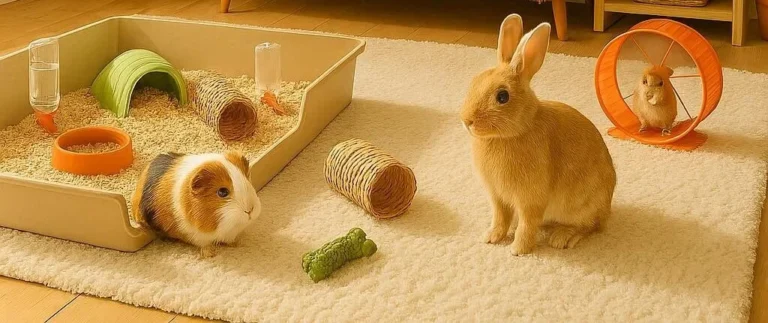
- Guinea Pig – Known for their friendly chatter and affectionate nature, guinea pigs are excellent for families. They require a spacious cage, a balanced diet of hay and fresh vegetables, and regular social interaction. Learn more about guinea pig care.
- Dwarf Hamster – These tiny rodents are solitary but gentle when handled correctly. They thrive in a secure enclosure with bedding and a wheel for exercise. Dwarf hamsters are ideal for apartment dwellers due to their small size and minimal noise. Dwarf hamster care guide.
- Rabbit – Rabbits are social, gentle, and can be litter trained. They need a large living space, a diet rich in hay, and regular grooming. Their calm demeanor makes them suitable for households with children. Rabbit care resources.
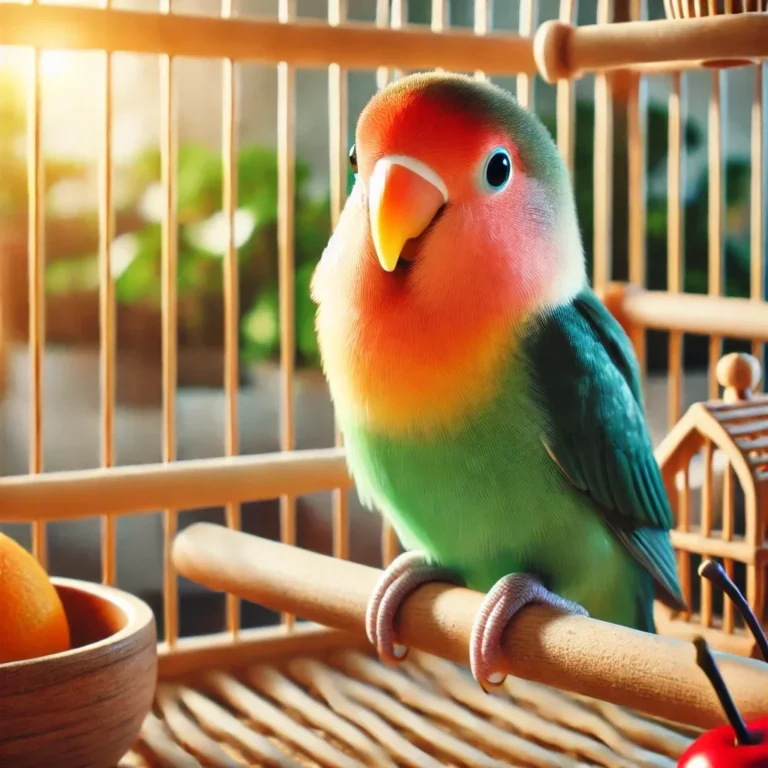
- Budgerigar (Budgie) – These small parrots are affectionate, easy to train, and enjoy gentle interaction. Budgies require a spacious cage, a varied diet, and daily social time. Their playful nature adds a lively yet gentle presence to any home. CDC budgerigar information.
- Betta Fish – While not a mammal, bettas are gentle, colorful, and require minimal space. They thrive in a well-maintained tank with filtered water and a balanced diet. Their calm swimming patterns make them a soothing addition to a desk or living area. Betta fish care tips.
Essential Care Tips for Gentle Small Pets
Providing a nurturing environment is key to ensuring your small pet remains healthy and content. Below are essential care tips that apply across most gentle small pets:
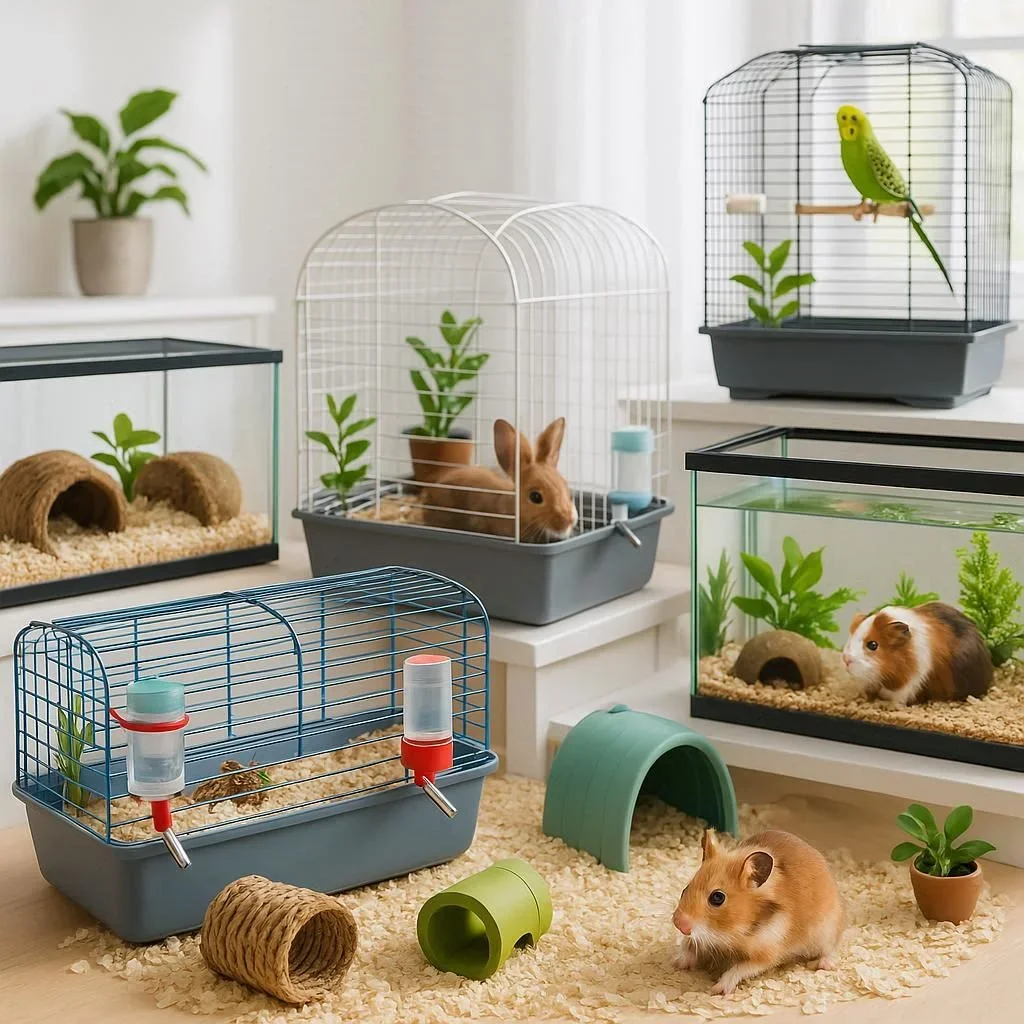
- Proper Housing – Ensure the enclosure is spacious enough to allow movement and prevent stress. For rodents, use a cage with a solid bottom and adequate ventilation. For birds, provide perches and toys to stimulate natural behaviors.
- Balanced Nutrition – Offer species-appropriate diets. Guinea pigs need constant access to hay and fresh greens, while rabbits require a hay-heavy diet supplemented with pellets. Fish should receive a high-quality flake or pellet food suitable for their species.
- Regular Handling – Gentle, consistent handling builds trust. Start with short sessions and gradually increase duration. Use calm tones and avoid sudden movements.
- Health Monitoring – Watch for signs of illness such as changes in appetite, lethargy, or abnormal droppings. Schedule annual check-ups with a veterinarian experienced in small animal care. The American Veterinary Medical Association provides guidelines for routine small pet examinations.
- Environmental Enrichment – Provide toys, tunnels, or nesting materials to keep pets mentally stimulated. For birds, rotating perches and safe chew toys help maintain healthy beaks.
Integrating Gentle Small Pets into Your Daily Routine
Incorporating a small pet into your daily life can be both enjoyable and manageable. Here are practical ways to weave pet care into your schedule:
- Morning Routine – Feed your pet at the same time each morning to establish a predictable pattern. This consistency reduces anxiety for the animal.
- Midday Breaks – Use short breaks to interact with your pet. A few minutes of gentle petting or play can boost your mood and reinforce bonding.
- Evening Wind-Down – End the day with a calm session of handling or grooming. This helps both you and your pet transition to a relaxed state before bedtime.
- Weekly Maintenance – Dedicate a specific day each week for cage cleaning, water changes, and health checks. Setting a routine keeps the environment clean and reduces the risk of disease.
Choosing the Right Pet for Your Home
When selecting a gentle small pet, consider the following factors to ensure a harmonious match:
- Space Availability – Evaluate the size of your living area. Rabbits and guinea pigs need more space than hamsters or fish.
- Allergies – If you or family members have allergies, opt for hypoallergenic breeds or species known to produce fewer allergens.
- Time Commitment – Even low-maintenance pets require daily interaction. Ensure you can dedicate time for feeding, cleaning, and companionship.
- Future Plans – Consider how long you plan to keep the pet. Some species, like rabbits, can live 8–12 years, while others, like hamsters, have shorter lifespans.
Conclusion: Embrace the Gentle Charm of Small Pets
Adopting a charming small pet with gentle nature offers a rewarding experience that enriches daily life. These companions provide affection, companionship, and a sense of responsibility without the demands of larger animals. By choosing the right species, providing proper care, and integrating them into your routine, you can enjoy a harmonious relationship that brings joy and tranquility to your home.
Frequently Asked Questions
Q1. What makes small pets gentle companions?
Small pets such as guinea pigs, rabbits, and budgies are naturally calm and thrive on routine. Their low energy levels and gentle nature make them ideal for families and busy individuals. They are less likely to display aggressive behavior when properly socialized. This calm demeanor reduces stress for both pet and owner. They also provide therapeutic benefits, lowering blood pressure and anxiety.
Q2. How much time does a small pet need each day?
Most gentle small pets require about 15–30 minutes of daily interaction, including feeding, grooming, or play. Consistent routines help them feel secure. Even a short morning check can keep a guinea pig or rabbit happy. For fish, daily tank maintenance is essential. Regular handling builds trust and strengthens the bond.
Q3. Are small pets suitable for families with children?
Yes, many small pets are excellent for families with kids. Guinea pigs and rabbits are gentle and can be taught to tolerate handling. Budgies can be trained to sit calmly on a hand. Children should learn gentle touch and respect for the animal’s space. Supervision is recommended to prevent accidental injury.
Q4. What are the key health checks for small pets?
Annual veterinary visits are recommended for all small pets. Look for changes in appetite, weight, or behavior. Check for signs of dental issues in rabbits or skin problems in guinea pigs. For fish, monitor water quality and fish behavior. Early detection of illness improves outcomes.
Q5. How can I keep a small pet’s environment clean?
Weekly cleaning of cages, litter boxes, or tanks is essential. Replace bedding or substrate regularly. Wash food dishes daily. For fish, perform partial water changes and clean filters. A clean environment reduces stress and disease risk.