Caring for Ragdoll Cat
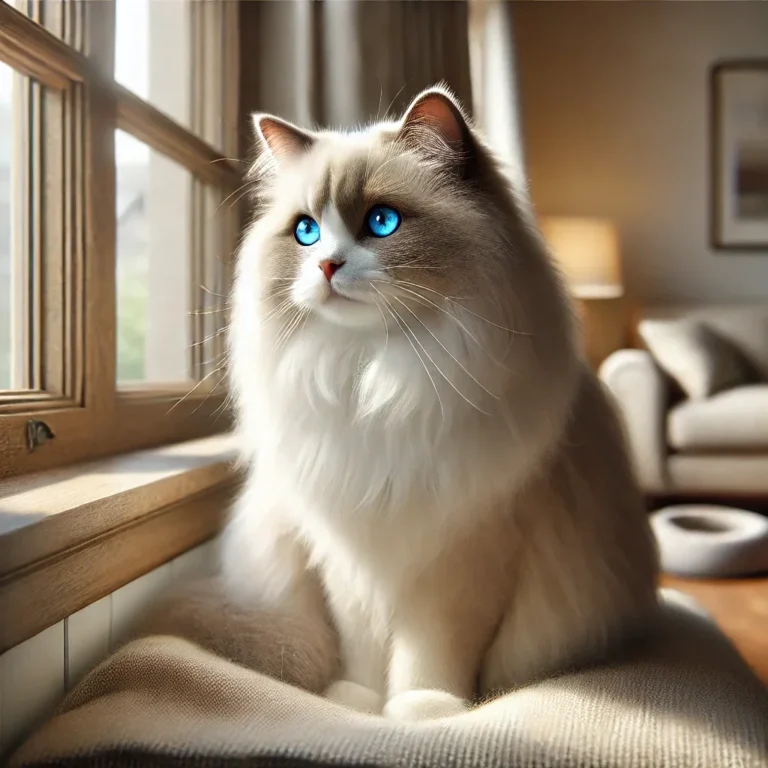
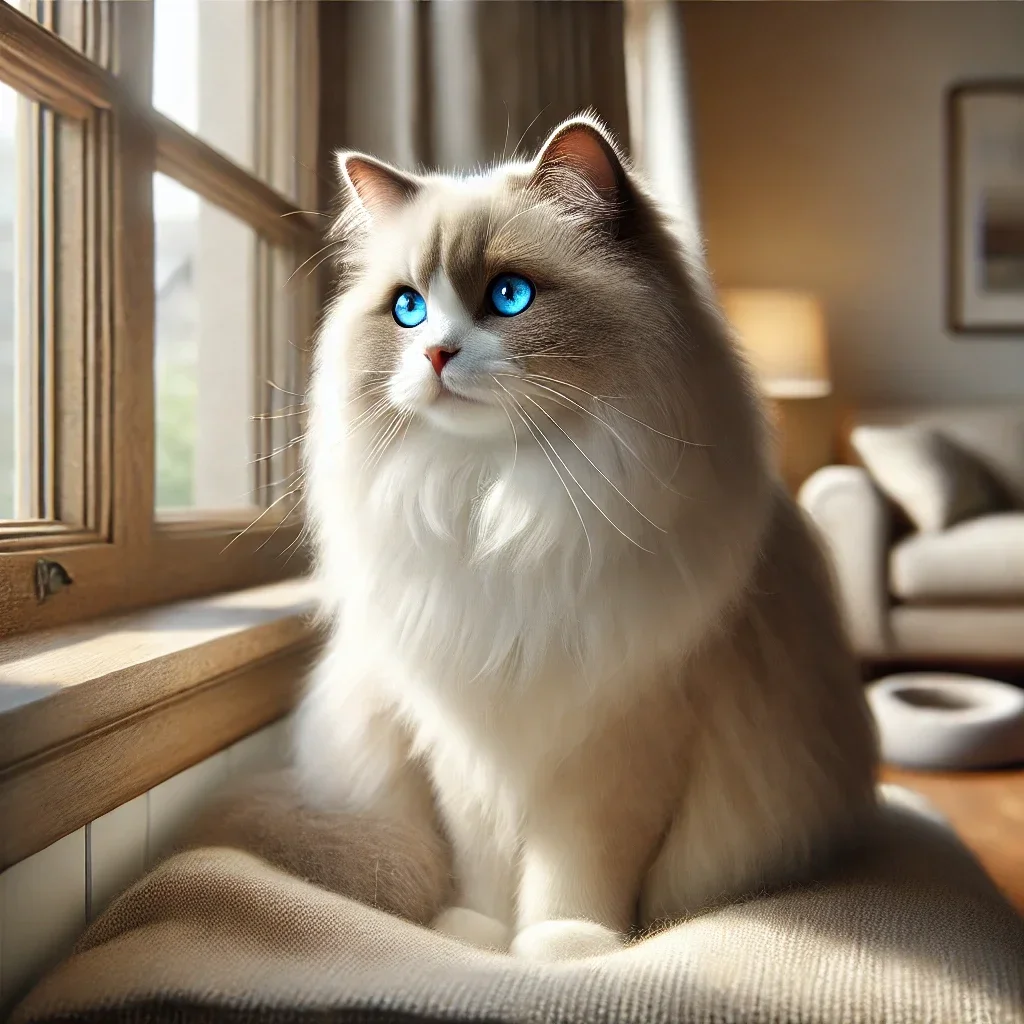
Ragdoll cats are renowned for their docile nature, striking blue eyes, and semi‑long, silky coats. Providing a healthy, happy life for a Ragdoll Cat requires understanding its unique temperament, nutritional needs, grooming routine, and potential health concerns. This guide compiles evidence‑based advice from veterinary institutions and reputable animal‑care resources so you can give your Ragdoll the best possible care from kittenhood through senior years.
Understanding the Ragdoll Cat Temperament
Unlike many active breeds, the Ragdoll Cat often seeks human companionship and enjoys being held, earning its name because it tends to go limp when picked up. This laid‑back disposition makes them excellent indoor companions, especially in families with children or seniors. However, their gentle nature does not mean they lack curiosity. Providing interactive play sessions with feather toys or puzzle feeders satisfies their mild hunting instinct without overwhelming them. According to the Ragdoll cat Wikipedia entry, the breed’s temperament is consistent across generations, which simplifies behavior management for new owners.
Nutrition Essentials for Your Ragdoll Cat
A balanced diet is the cornerstone of a thriving Ragdoll Cat. Because the breed tends to be larger than average (adult males often weigh 15–20 pounds), caloric intake must be calibrated to prevent obesity, a common issue in sedentary cats. High‑protein, grain‑free formulas that list a real meat source as the first ingredient support muscular development. Omega‑3 fatty acids, particularly EPA and DHA, promote a glossy coat and joint health, which is crucial for a breed that may develop hip dysplasia.
When choosing a commercial food, look for certifications from the CDC pet safety guidelines, which ensure the product meets stringent nutritional standards. For kittens, feed a kitten‑specific formula for the first six months, then transition gradually to an adult diet. Fresh water should always be available, and many owners find that a fountain encourages increased intake.
Grooming and Coat Care for Ragdoll Cats
The Ragdoll Cat’s plush, semi‑long coat is one of its most appealing features, yet it requires consistent grooming to prevent tangles and matting. Brushing at least twice a week removes loose hair and distributes natural oils, preserving the coat’s softness. During shedding season—typically in spring and autumn—daily brushing becomes essential to control hairballs.
- Choose a wide‑toothed comb for initial detangling.
- Follow with a slicker brush to smooth the surface.
- Inspect ears and paws for debris or signs of infection.
- Trim nails every 10–14 days to prevent overgrowth.
Baths are optional for Ragdolls; occasional bathing with a feline‑specific shampoo can enhance scent removal, especially if the cat has been outdoors. Always dry the coat thoroughly to avoid chilling.
Health Checkups and Common Issues in Ragdoll Cats
Regular veterinary examinations are vital for early detection of breed‑specific health problems. The most frequently reported concerns include hypertrophic cardiomyopathy (HCM), a heart muscle disease, and kidney disease. Genetic testing for HCM is available through many veterinary cardiology clinics and helps owners make informed breeding decisions.
Vaccinations follow the standard feline schedule: feline panleukopenia, calicivirus, rhinotracheitis, and rabies where required by law. Dental health should not be overlooked; a dental probiotic treat or a weekly tooth‑brushing routine can reduce plaque buildup. The Cornell Feline Health Center provides extensive resources on preventive care and disease management for cats of all breeds.
Parasite control is equally important. Monthly oral or topical flea preventatives, along with annual fecal exams, safeguard against internal worms and external pests. If you notice signs such as excessive thirst, weight loss, or lethargy, schedule a veterinary visit promptly.
Creating a Stimulating Environment for Your Ragdoll Cat
Despite their relaxed demeanor, Ragdoll Cats benefit from mental enrichment. Vertical spaces like cat trees or shelves satisfy their natural climbing instincts while providing safe perches. Interactive toys that mimic prey movement stimulate hunting drives without encouraging aggression. Safe window perches allow sunlight exposure, which supports vitamin D synthesis and regulates circadian rhythms.
Consider a dedicated litter box area that is quiet, well‑ventilated, and away from feeding stations. Using unscented, clumping litter reduces the likelihood of avoidance. For multi‑cat households, multiple boxes (one per cat plus an extra) prevent territorial disputes and maintain hygiene.
Senior Care Tips for Aging Ragdoll Cats
As Ragdoll Cats enter their senior years (typically after 10 years), dietary adjustments, joint support supplements, and more frequent health monitoring become essential. Soft, highly digestible foods ease chewing difficulties, while glucosamine–chondroitin complexes support joint health. Keep living spaces warm and draft‑free, as older cats are more prone to arthritis and may struggle with cold surfaces.
Regular low‑stress vet visits—every six months—allow for blood work, heart ultrasounds, and kidney function tests, providing a proactive approach to age‑related ailments. Gentle play sessions with feather wands or laser pointers maintain mobility without overexertion.
Conclusion
Providing comprehensive care for a Ragdoll Cat involves understanding its distinct personality, delivering balanced nutrition, maintaining a consistent grooming routine, and staying vigilant about health concerns. By integrating the strategies outlined above and consulting reputable resources such as the Ragdoll cat Wikipedia page, CDC guidelines, and the Cornell Feline Health Center, you can ensure a long, joyful life for your feline companion. Ready to give your Ragdoll the love it deserves? Start today by scheduling a wellness check and stocking up on high‑quality food and grooming tools.
Frequently Asked Questions
Q1. How much should I feed my Ragdoll cat?
Ragdoll cats are larger than average, so they need a calorie‑controlled diet to avoid obesity. Feed an adult‑formulated, high‑protein, grain‑free food and adjust portions based on your cat’s activity level and body condition. Consult your veterinarian for a personalized feeding schedule, especially during growth or weight changes.
Q2. What grooming tools are best for a Ragdoll’s coat?
A wide‑toothed comb works well for detangling, followed by a slicker brush to smooth the fur and remove loose hair. Regular brushing twice a week prevents matting and reduces hairballs, while daily brushing during shedding seasons is ideal.
Q3. Is the Ragdoll breed prone to any specific health issues?
Yes, Ragdolls are more likely to develop hypertrophic cardiomyopathy (HCM) and can be susceptible to kidney disease. Genetic testing for HCM is recommended, and routine veterinary check‑ups help catch problems early.
Q4. How can I keep my Ragdoll cat mentally stimulated?
Provide interactive toys such as feather wands, puzzle feeders, and climbing structures like cat trees or shelf perches. Puzzle feeders engage their mild hunting instincts, and safe window seats let them watch the outdoors.
Q5. What special care do senior Ragdolls need?
Older Ragdolls benefit from soft, highly digestible food, joint‑support supplements like glucosamine, and a warm, draft‑free environment. Schedule veterinary visits every six months for blood work, heart ultrasounds, and kidney testing to monitor age‑related changes.