Building Trust with Timid Hamsters and Mice
Are you struggling to connect with your timid hamster or mouse? Does their skittish behavior leave you feeling helpless or confused about how to build a stronger bond? You’re not alone. Many small pet owners face the challenge of gaining the trust of their furry friends, especially when they’re naturally shy or timid. The good news is that with patience, consistency, and the right approach, you can help your pet feel more secure and build a lasting connection.
In this guide, we’ll explore the importance of trust in the relationship between you and your hamster or mouse, and provide practical tips on how to earn their confidence. Whether you’re a new pet owner or looking to strengthen your bond with an existing pet, this post will give you the tools you need to create a trusting and loving environment for your small companion.
Understanding the Nature of Hamsters and Mice
Before we dive into the tips, it’s important to understand the nature of hamsters and mice. These small animals are naturally skittish and have a strong instinct to avoid predators. In the wild, their survival depends on their ability to detect danger quickly and respond with flight. This natural wariness can make them seem aloof or unapproachable, especially when they’re new to their environment or haven’t had much interaction with humans.
Hamsters and mice are prey animals, and as such, they have a heightened sense of awareness. They’re constantly on the lookout for potential threats, which can make them sensitive to sudden movements, loud noises, and even the scent of their owners. This doesn’t mean they’re not capable of forming close bonds with their owners—it simply means they require a more gentle and thoughtful approach.
The Importance of Trust
Trust is the foundation of any successful relationship, and this is especially true when it comes to your hamster or mouse. Without trust, your pet may remain perpetually frightened or defensive, making it difficult to interact with them or even care for them properly. Building trust with your pet not only improves the quality of their life but also enhances your own experience as a pet owner.
When your hamster or mouse trusts you, they’re more likely to:
- Be more active and explore their environment confidently
- Approach you willingly for interaction or feeding
- Be less stressed and more relaxed in their surroundings
- Show more of their natural behaviors and personality traits
Conversely, a lack of trust can lead to stress, fear, and even health problems in your pet. Stressed hamsters and mice may exhibit changes in appetite, sleep patterns, or behavior, and they may be more prone to illnesses.
Building Trust with Your Timid Hamster or Mouse
Building trust with a timid hamster or mouse requires a combination of patience, consistency, and a deep understanding of their behavior and needs. Below are some practical steps you can take to earn their confidence and create a strong bond.
1. Create a Safe and Comfortable Environment
Before you can start building trust, you need to ensure that your hamster or mouse feels safe and secure in their environment. A safe environment not only reduces your pet’s stress levels but also makes it easier for them to approach and interact with you.
- Provide a Spacious and Well-Ventilated Cage: A cramped or poorly ventilated cage can lead to stress and discomfort, making your pet more anxious and less likely to trust you. Make sure their cage is large enough to allow for movement, exercise, and exploration.
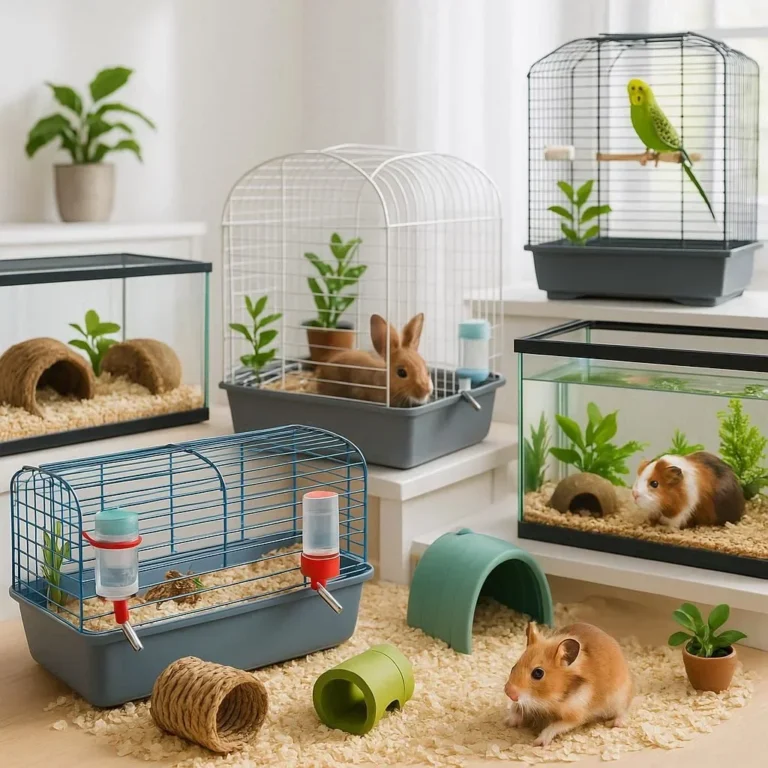
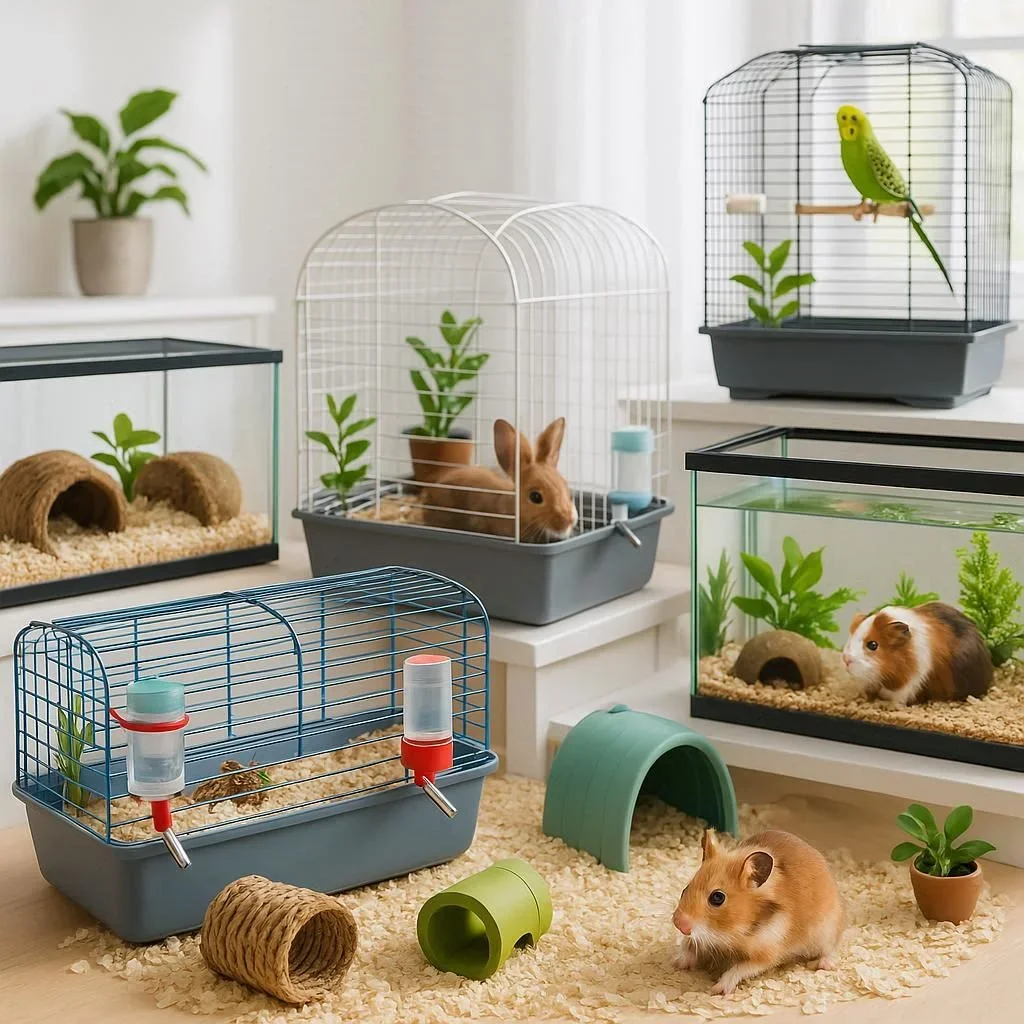
- Include Hiding Places: Hamsters and mice have a natural instinct to hide and seek cover when they feel threatened or scared. Providing plenty of hiding places, such as tunnels, boxes, or small enclosures, can make them feel more secure and reduce their stress levels.
- Maintain a Quiet and Calm Atmosphere: Loud noises can startle your pet and make them more skittish. Place their cage in a quiet, calm area of your home, away from busy rooms or noisy appliances.
2. Move Slowly and Calmly
When interacting with your hamster or mouse, it’s important to move slowly and calmly. Sudden movements can startle them and reinforce their fear of humans. By moving slowly, you signal to your pet that you’re not a threat and that they don’t need to be afraid.
- Approach from the Front: When you approach your pet, do so from the front. Approaching from the side or behind can startle them, especially if they’re not expecting you.
- Let Them See Your Hands: Before reaching into their cage, let your pet see your hands. This allows them to become familiar with your presence and reduces the likelihood of a startled reaction.
3. Offer Treats Consistently
Using treats is one of the most effective ways to build trust with your hamster or mouse. When your pet associates you with positive experiences, such as food, they’re more likely to approach you and form a bond.
- Choose the Right Treats: Hamsters and mice have specific dietary needs, so it’s important to choose treats that are healthy and safe for them. Some good options include sunflower seeds, pumpkin seeds, and small pieces of fruit like strawberries or bananas.
- Offer Treats Regularly: Consistency is key when it comes to using treats to build trust. Offer your pet a treat at the same time each day, such as during feeding or playtime, so they learn to associate these moments with positive interactions.
- Let Them Come to You: Instead of forcing your pet to approach you for a treat, let them come to you. Place the treat near you or in your hand and allow them to take it when they feel comfortable. This approach respects their boundaries and allows them to build trust at their own pace.
4. Establish a Routine
A routine can provide a sense of stability and predictability for your hamster or mouse, making them feel more secure and less anxious. By following a regular schedule for feeding, cleaning, and interaction, you can help your pet adjust to their environment and build trust in your presence.
- Feed at the Same Time Each Day: Feeding your pet at the same time each day helps them establish a routine and learn to associate these moments with your presence.
- Clean Their Cage Regularly: Regular cage cleaning is essential for your pet’s health and well-being, but it can also help them feel more secure. By sticking to a cleaning schedule, you can minimize disruptions to their environment and reduce their stress levels.
- Spend Time with Them Daily: Spending time with your pet each day, whether it’s during feeding, playtime, or simply sitting near their cage, helps them become familiar with your presence and builds trust over time.
5. Be Patient and Consistent
Building trust with a timid hamster or mouse doesn’t happen overnight. It requires patience and consistency, as your pet may need time to feel comfortable with your presence and learn to trust you.
- Respect Their Boundaries: It’s important to respect your pet’s boundaries and allow them to approach you at their own pace. Forcing interaction or handling can create more fear and undo any progress you’ve made.
- Celebrate Small Wins: Building trust is a gradual process, and it’s important to celebrate small wins along the way. Whether it’s your pet approaching you for the first time or allowing you to touch them, these moments are signs of progress and should be acknowledged.
6. Use Positive Reinforcement
Positive reinforcement is a powerful tool for building trust with your hamster or mouse. By associating your presence with positive experiences, you can help your pet feel more comfortable and build a stronger bond.
- Reward Calm Behavior: When your pet behaves calmly or approaches you willingly, reward them with a treat or praise. This positive reinforcement encourages them to repeat the behavior and builds trust over time.
- Avoid Punishment: Punishment or negative reinforcement can have the opposite effect, eroding trust and making your pet more fearful. It’s important to approach interactions with your pet in a positive and supportive way.
7. Observe and Learn Their Behavior
Every hamster and mouse is different, and understanding their unique behavior and personality can help you tailor your approach and build trust more effectively.
- Watch for Body Language Cues: Pay attention to your pet’s body language, as it can provide valuable insights into how they’re feeling. For example, a hamster or mouse that’s tense, flattened, or avoiding eye contact may be feeling stressed or anxious, while a relaxed and curious pet is more likely to approach you.
- Adjust Your Approach: Based on your observations, adjust your approach to meet your pet’s needs. For example, if your pet seems particularly skittish, you may need to move more slowly or allow them more time to approach you.
Signs of Trust in Hamsters and Mice
As you work to build trust with your hamster or mouse, it’s helpful to recognize the signs that they’re beginning to feel more comfortable and confident around you. These signs can be encouraging and help you know that your efforts are paying off.
- They Approach You Willingly: One of the most obvious signs of trust is when your pet approaches you willingly, whether it’s for food, attention, or simply to explore.
- They Allow You to Touch or Handle Them: When your pet allows you to touch or handle them without hesitation, it’s a clear indication that they trust you.
- They Seem Relaxed in Your Presence: A relaxed posture, calm demeanor, and willingness to engage in normal behaviors while you’re nearby are all signs that your pet feels comfortable and trusts you.
- They Initiate Interaction: In some cases, your pet may even initiate interaction by approaching you or reaching out to touch you. This is a strong sign of trust and a testament to the bond you’ve built.
Common Mistakes to Avoid
While building trust with your hamster or mouse, there are several common mistakes to avoid. These mistakes can undermine your progress and make it more difficult to build a trusting relationship with your pet.
- Rushing the Process: Building trust takes time, and rushing the process can create more fear and anxiety for your pet. Be patient and allow your pet to set the pace.
- Forcing Interaction: Forcing your pet to interact with you or handling them against their will can damage trust and make them more skittish. Always respect their boundaries and allow them to approach you on their own terms.
- Ignoring Their Needs: Failing to meet your pet’s basic needs, such as providing a safe environment, proper nutrition, and regular care, can lead to stress and mistrust. Always prioritize your pet’s welfare and ensure their needs are met.
- Inconsistent Behavior: Inconsistent behavior or routines can confuse your pet and make it harder for them to trust you. Stick to a regular schedule and approach interactions with your pet in a calm and predictable way.
Conclusion
Building trust with a timid hamster or mouse requires a combination of patience, consistency, and understanding. By creating a safe and comfortable environment, moving slowly and calmly, offering treats consistently, establishing a routine, and using positive reinforcement, you can help your pet feel more secure and build a lasting bond.
Remember, every hamster and mouse is different, and building trust may take more time for some pets than others. By respecting their boundaries, observing their behavior, and adjusting your approach accordingly, you can create a trusting and loving relationship that brings joy and fulfillment to both you and your pet.
With time and effort, you can help your timid hamster or mouse feel more confident and trusting, leading to a more enriching and rewarding experience as a pet owner.