Blue Eyed Cat Breeds Guide
Blue eyed cat breeds capture the imagination of cat lovers worldwide, offering a striking combination of silvery or sapphire irises and sleek coats. Whether you are a first‑time cat owner or an experienced feline enthusiast, understanding why certain breeds display vivid blue eyes and how those traits affect health and temperament is essential before bringing a new companion home. In this comprehensive guide we explore the genetics behind blue eye color, profile the most popular blue‑eyed cat breeds, discuss health considerations, and offer practical tips for selecting a healthy kitten.
Understanding Blue Eye Color in Cats
The blue hue in a cat’s eye is caused by the scattering of light through the transparent layer of the iris, a phenomenon known as the Tyndall effect. Unlike melanin‑rich brown eyes, blue eyes contain little to no pigment, allowing shorter wavelengths of light to reflect back and appear blue. This trait is most common in breeds that possess a pointed coloration pattern or a dilute coat color, both of which are linked to specific genetic mutations.
Two primary genes influence blue eye expression: the O (point) gene, which controls temperature‑dependent pigment distribution, and the c (color‑dilution) gene, which reduces the intensity of eumelanin (black pigment). When either gene is present, the cat’s iris often lacks pigment, resulting in blue eyes. However, the exact shade can vary from pale ice to vivid cobalt, depending on the breed’s overall coloration and the cat’s age.
Top Breeds with Naturally Blue Eyes
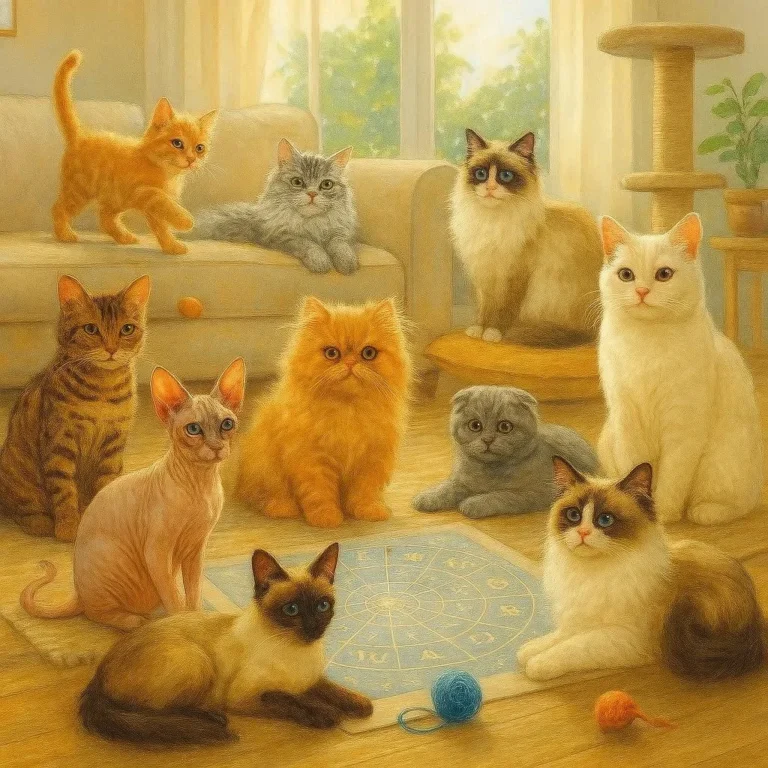
While many cats can develop blue eyes through selective breeding, a handful of breeds consistently produce blue‑eyed kittens without artificial intervention. Below is a concise list of the most recognized blue‑eyed cat breeds, each with distinct characteristics and origins.
- Siamese – Originating from Thailand, Siamese cats are famed for their striking seal points and deep blue eyes. Their vocal nature and affectionate temperament make them excellent companions.
- Balinese – Often called the “long‑haired Siamese,” Balinese share the same genetic profile but boast a silky coat and equally captivating blue eyes.
- Birman – Also known as the Sacred Cat of Burma, Birmans feature a medium‑length coat, white gloving paws, and crystal‑blue eyes that convey a gentle demeanor.
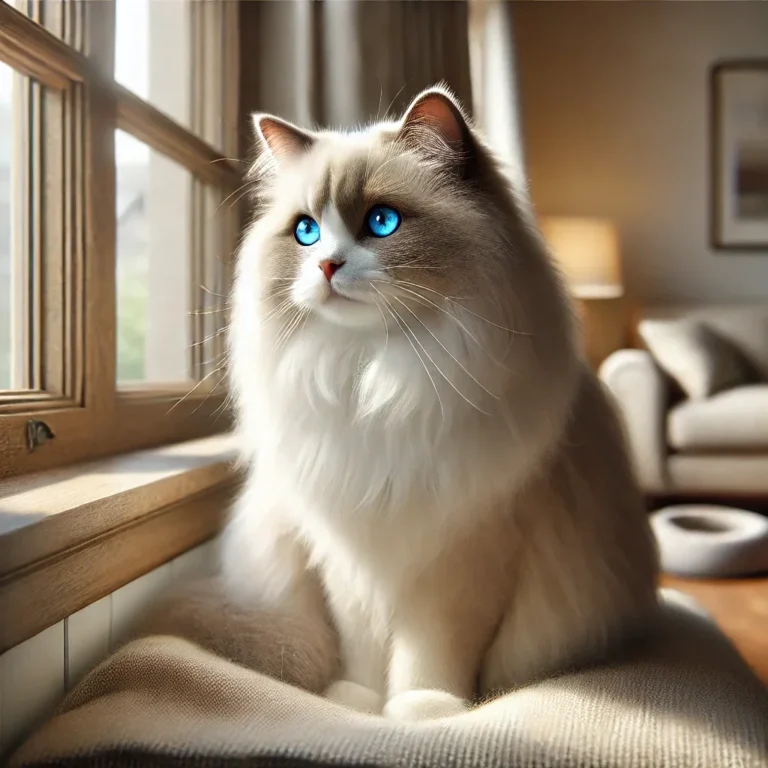
- Ragdoll – Recognized for their plush, semi‑long fur and floppy nature, Ragdolls often possess blue eyes, especially in color‑point varieties. Their docile temperament suits families.
- Russian Blue – Despite a name that suggests otherwise, many Russian Blues exhibit striking blue eyes that complement their steel‑gray coats. They are known for their quiet, reserved personality.
- Oriental Shorthair – A close relative of the Siamese, Orientals display a wide palette of coat colors and patterns, yet many individuals inherit the signature blue eyes.
For a deeper dive into each breed’s history and standards, you can consult reputable sources such as the Siamese cat Wikipedia page or the Cornell Feline Health Center.
Health Considerations for Blue‑Eyed Cats
Blue eye color itself does not directly cause health problems, but the underlying genetics can be associated with certain conditions. Prospective owners should be aware of the following health aspects:
- Congenital deafness – Some white or partially white cats with blue eyes may experience hereditary deafness, especially in breeds like the Turkish Van. A simple brainstem auditory evoked response (BAER) test can confirm hearing ability.
- Progressive retinal atrophy (PRA) – Certain breeds, such as the Persian, can develop retinal degeneration, affecting vision over time. Regular veterinary eye exams help detect early signs.
- Dental disease – Breeds with brachycephalic features (e.g., Exotic Shorthair) often have crowded teeth, leading to plaque buildup. Balanced nutrition and routine dental cleanings are essential.
- Hydrocephalus – Rarely, blue‑eyed kittens, especially in the British Shorthair lineage, may present with a skull malformation that requires specialist care.
For evidence‑based guidance on feline ocular health, see the U.S. National Institutes of Health overview on cat eye diseases. Early detection and preventive care remain the cornerstone of maintaining a healthy, happy cat.
How to Choose a Blue‑Eyed Kitten Responsibly
When selecting a blue‑eyed kitten, ethical considerations are as important as aesthetic preferences. Follow these steps to ensure you are supporting responsible breeding practices:
- Visit the breeder’s facility in person; reputable breeders provide clean, spacious environments and allow you to meet the kitten’s parents.
- Request health clearances for hereditary conditions relevant to the breed (e.g., DNA tests for PRA in Persian lines).
- Ask for documentation of vaccinations, deworming, and a recent vet examination.
- Observe the kitten’s behavior – a well‑socialized kitten should be curious, responsive, and comfortable with handling.
- Confirm that the breeder follows the American Kennel Club’s ethical breeding guidelines for cats, even though AKC focuses on dogs; the principles are applicable.
Remember that a blue‑eyed cat’s beauty is fleeting; the most lasting impression comes from a loving relationship built on trust and care.
Conclusion and Next Steps
Blue eyed cat breeds offer a blend of visual elegance and diverse personalities, from the chatty Siamese to the mellow Russian Blue. By understanding the genetics behind eye color, recognizing breed‑specific health considerations, and committing to responsible acquisition, you can enjoy the companionship of a stunning blue‑eyed feline for years to come.
Ready to welcome a blue‑eyed beauty into your home? Explore reputable breeders, schedule a veterinary wellness exam, and start preparing a safe, enriching environment today. Subscribe to our newsletter for ongoing cat‑care tips and exclusive breed spotlights.
Frequently Asked Questions
Q1. Why do some cats have blue eyes?
Blue eyes result from a lack of pigment in the iris, allowing light to scatter and produce a blue hue. This is often linked to the O (point) gene or the c (color‑dilution) gene. The effect is common in point‑pattern and dilute‑coat breeds.
Q2. Are blue‑eyed cats more prone to health problems?
Blue eye color itself is not a disease, but the genes that cause it can be associated with conditions such as congenital deafness in white cats or retinal disorders in certain breeds. Regular veterinary eye exams help catch issues early.
Q3. Which breeds are guaranteed to have blue eyes?
Breeds that consistently produce blue eyes include Siamese, Balinese, Birman, Ragdoll (point varieties), Russian Blue, and Oriental Shorthair. These breeds carry the genetic traits that naturally lead to blue irises.
Q4. How can I tell if a blue‑eyed kitten will be deaf?
Deafness is most common in predominantly white kittens with blue eyes. A simple BAER (brainstem auditory evoked response) test performed by a veterinarian can confirm hearing ability before adoption.
Q5. What should I look for when buying a blue‑eyed kitten?
Choose a reputable breeder who provides health clearances, lets you meet the parents, and offers vaccination records. Observe the kitten’s temperament and ensure the environment is clean and spacious. Ethical breeding practices protect both the kitten’s health and your investment.