Bird Species & Care Guide
When it comes to fostering a thriving environment for feathered companions, comprehensive Bird Species & Care knowledge is essential. Whether you are a novice bird owner, a seasoned avian veterinarian, or an enthusiast of wild‑bird conservation, understanding the intricacies of each species’ biology, habitat preferences, nutrition, and health risks can dramatically improve wellbeing and longevity. This guide distills the most reliable information from scientific research, governmental resources, and leading ornithology institutions, providing a practical roadmap for responsible stewardship.
Understanding Common Bird Species
Birds exhibit remarkable diversity, ranging from the tiny hummingbird (approx. 2‑3 g) to the imposing ostrich weighing over 100 kg. While the global catalog exceeds 10,000 species, most pet owners encounter a narrower selection—parrots, canaries, finches, and pigeons. Each group carries unique physiological traits that dictate care requirements. For instance, parrots possess a highly developed vocal organ called the syrinx, demanding mental stimulation to prevent boredom‑induced feather plucking. In contrast, finches thrive in social aviaries where flock dynamics promote natural foraging behavior.
- List of bird species – comprehensive taxonomy
- Cornell Lab of Ornithology – research on avian behavior
- U.S. Fish & Wildlife Service – conservation guidelines
Essential Habitat Requirements
Creating a safe and enriching enclosure is the cornerstone of effective bird care. The size of the cage should reflect the species’ wing span and activity level; a rule of thumb is a floor space equal to at least twice the bird’s fully stretched wings. Materials matter: stainless steel or powder‑coated cages prevent rust, while perches made of natural branches reduce foot‑pad injuries. Temperature and humidity must mimic natural habitats; parrots from tropical regions need ambient humidity of 50‑70 % and temperatures between 22‑28 °C. In colder climates, supplemental heating and a misting system help maintain avian health.
Environmental enrichment is equally vital. Rotate toys, incorporate foraging puzzles, and provide safe foliage to encourage natural behaviors. Studies from the American Veterinary Medical Association demonstrate that birds with varied stimuli exhibit lower stress hormones and stronger immune responses.
Nutrition and Feeding Practices
Bird nutrition varies dramatically across taxa. Seeds dominate the diet of many pet parrots but lack essential vitamins and minerals, leading to metabolic bone disease if fed exclusively. A balanced regimen includes high‑quality pellet bases, fresh vegetables (leafy greens, carrots, bell peppers), and occasional fruit. Protein sources such as boiled eggs, cooked legumes, or specialized insect treats support breeding females and juveniles.
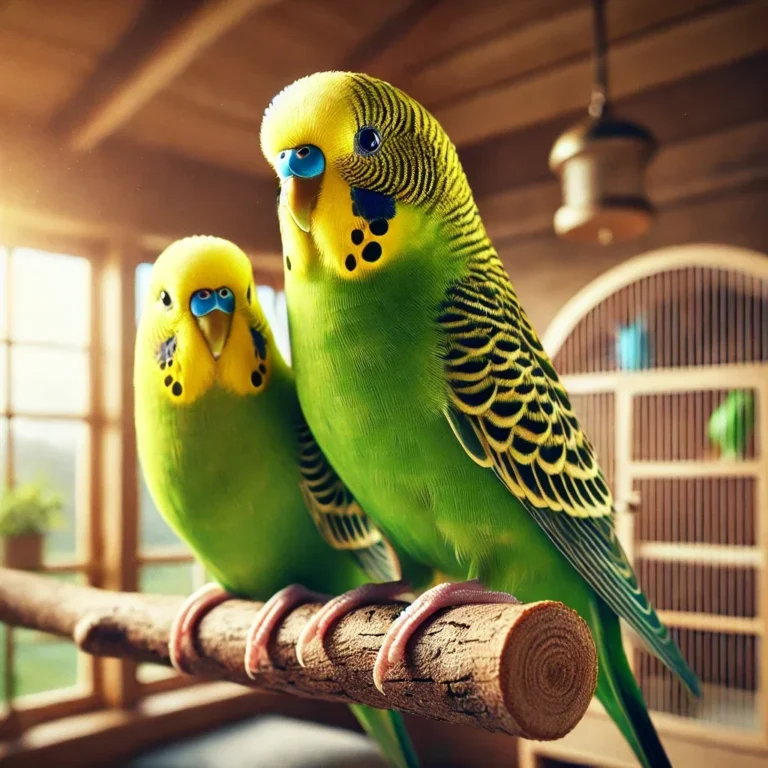
Hydration must never be overlooked. Fresh water should be available at all times, and weekly cleaning prevents bacterial growth. For species native to arid regions (e.g., budgerigars), a shallow water bowl mimics natural drinking opportunities and reduces the risk of electrolyte imbalance.
Health Monitoring and Prevention
Regular health assessments are indispensable for early detection of avian diseases. Key indicators include feather condition, droppings consistency, appetite, and vocalization changes. Respiratory infections, psittacine beak and feather disease (PBFD), and avian influenza are among the most concerning conditions. Vaccinations are limited, so biosecurity—quarantining new birds and sanitizing equipment—remains the primary preventive measure.
Routine veterinary check‑ups, ideally every six months, allow for blood work, parasite screening, and beak‑trim evaluations. The USDA APHIS provides up‑to‑date alerts on emerging bird diseases and recommended containment protocols.
Integrating Conservation Efforts
Responsible bird ownership extends beyond the cage. Supporting habitat restoration projects, participating in citizen‑science bird counts, and donating to organizations that protect migratory corridors contribute to global avian well‑being. The synergy between pet care best practices and wild bird conservation fosters a healthier ecosystem for all species.
Quick Checklist for Daily Bird Care
- Inspect cage for damage, clean perches.
- Refresh food: provide pellets, fresh veg, and limited seeds.
- Change water; scrub bowl to prevent biofilm.
- Observe behavior: note any signs of distress or illness.
- Engage with enrichment toys for at least 30 minutes.
Conclusion
Mastering Bird Species & Care is an ongoing journey that blends scientific insight, meticulous husbandry, and a genuine love for feathered life. By applying the guidelines outlined above—species‑specific habitat design, balanced nutrition, proactive health monitoring, and a commitment to conservation—you can ensure a vibrant, thriving companion for years to come. Ready to elevate your avian care routine? Explore our curated resources, join a local bird‑watching group, and start implementing these proven practices today.
Frequently Asked Questions
Q1. How often should I clean my bird’s cage?
Cleaning should be done at least once a week to remove droppings, old food, and feather debris. Spot‑clean daily by removing waste and replace soiled perches, while a thorough scrub with bird‑safe disinfectant helps prevent bacterial buildup. Regular cleaning also reduces odor and supports your bird’s respiratory health.
Q2. What is the best diet for a pet parrot?
A balanced diet combines high‑quality pellets as the staple, supplemented with fresh vegetables, fruits, and occasional protein sources like boiled egg or legumes. Seeds can be offered in moderation for enrichment, but relying solely on seeds leads to nutritional deficiencies. Always provide clean water and monitor for any food allergies.
Q3. How can I tell if my bird is sick?
Watch for changes such as fluffed‑up feathers, watery or discolored droppings, loss of appetite, or a quiet, labored voice. Swollen eyes, sneezing, or sudden feather plucking are also warning signs. If any of these symptoms appear, contact an avian veterinarian promptly for a check‑up.
Q4. What types of toys are safest for birds?
Choose toys made from natural wood, untreated leather, or bird‑safe plastics without toxic paints. Foraging puzzles and shreddable toys stimulate mental activity, while rotating toys weekly keeps the environment interesting. Avoid small parts that could be swallowed and regularly inspect toys for wear.
Q5. Do birds need sunlight or UV lighting?
Exposure to natural sunlight helps birds synthesize vitamin D, which is vital for calcium metabolism. If natural light is limited, a full‑spectrum UVB bulb placed at a safe distance can provide similar benefits. Aim for 10‑12 minutes of indirect sunlight or a few hours under a UVB source each day.