Best Talking Pet Birds Ranked
When it comes to finding a feathered friend that can not only entertain you with vibrant colors but also join in conversations, the search for the best talking pet birds quickly becomes a top priority for many animal lovers. From dazzling African greys that mimic entire sentences to lively budgerigars that chirp simple phrases, talking birds offer a unique blend of companionship, mental stimulation, and vocal charm. In this guide we’ll walk you through the most acclaimed talking pet birds, explain the traits that make them stand out, and provide practical advice on care, training, and choosing the perfect avian partner for your household.
Why Choose a Talking Pet Bird
Talking pet birds are more than just background noise—they are interactive members of the family. Their ability to reproduce human speech stems from complex bird vocalization mechanisms that involve the syrinx, a specialized vocal organ unique to birds. Studies from the Cornell Lab of Ornithology show that parrots, mynahs, and some passerines possess a heightened capacity for mimicry because of their advanced brain structures.
Beyond intellectual curiosity, these pets provide emotional benefits. Research published by the National Institutes of Health indicates that interacting with vocal animals can reduce stress hormones and improve mood. A talking bird that greets you each morning can become a comforting ritual, especially for seniors or those living alone.
Top Ranked Talking Bird Species
After extensive review of avian behavior studies, owner surveys, and expert recommendations, the following species consistently emerge as the best talking pet birds for both beginners and seasoned enthusiasts.
- African Grey Parrot (Psittacus erithacus) – Widely regarded as the most intelligent talking bird, the African grey can learn extensive vocabularies and even understand context. Its dense gray plumage contrasts with a bright red tail, and it thrives when given puzzle toys and regular social interaction.
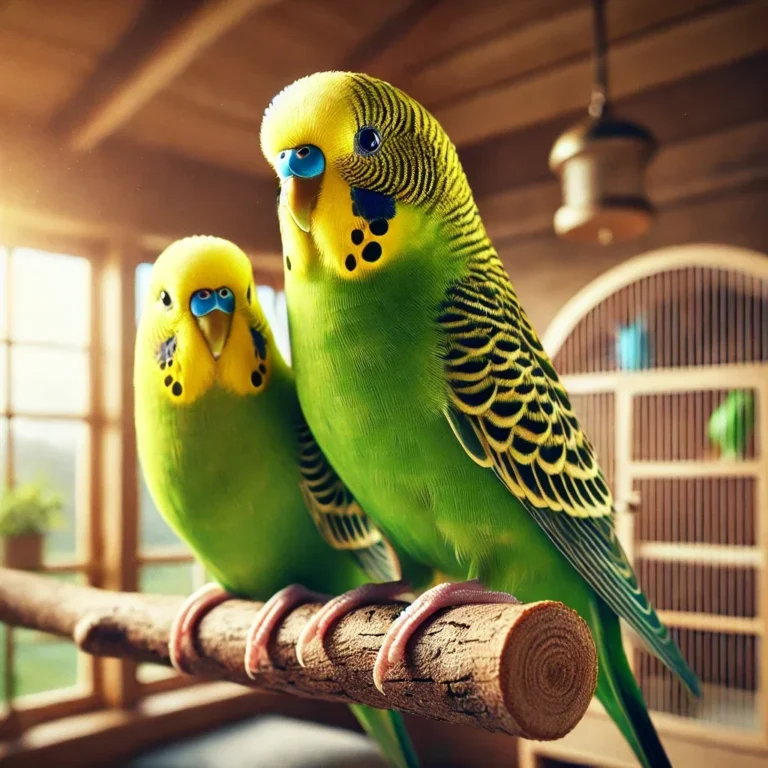
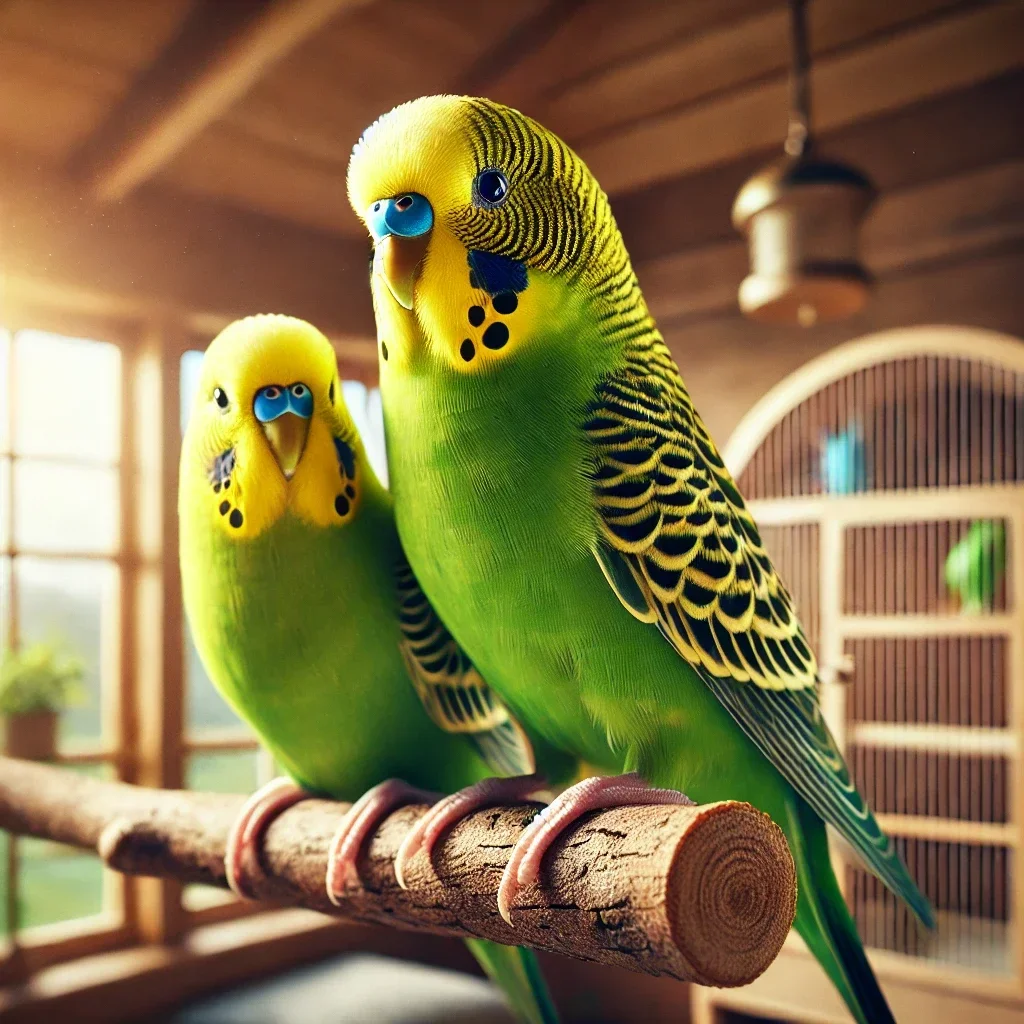
- Budgerigar (Melopsittacus undulatus) – Often called a “budgie,” this small parakeet surprises many owners with its clear enunciation of words. Budgerigars are budget-friendly, require less space, and enjoy a diet rich in millet and fresh greens.
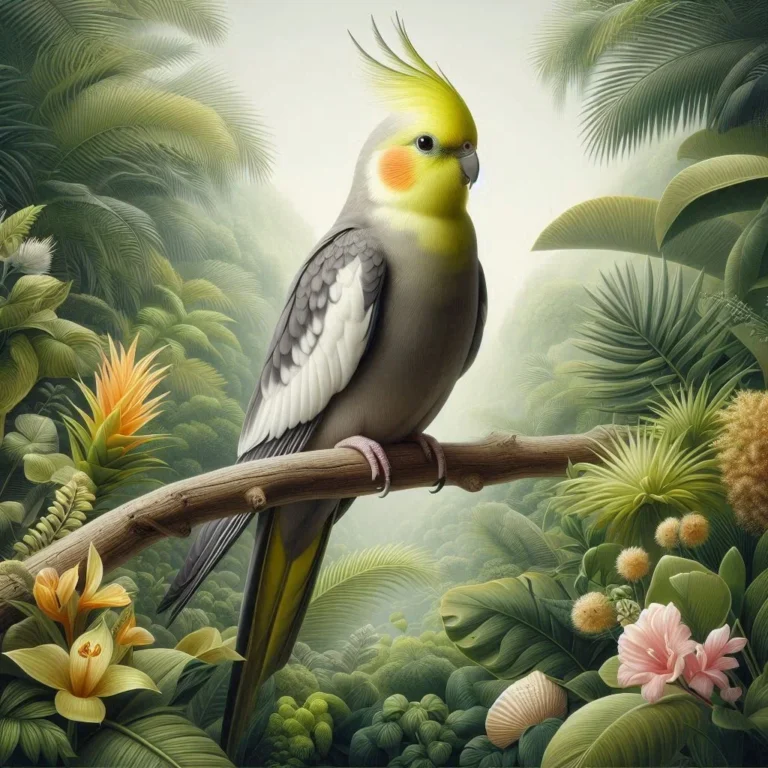
- Cockatiel (Nymphicus hollandicus) – Known for its friendly nature and distinctive crest, the cockatiel can whistle tunes and repeat short phrases. Its sociable temperament makes it ideal for families with children.
- Yellow-naped Amazon (Amazona auropalliata) – This medium-sized Amazon boasts a bright yellow patch on the nape of its neck and a remarkable ability to mimic tones, making it a favorite among avid bird talkers.
- Eclectus Parrot (Eclectus roratus) – With striking sexual dimorphism—males are vivid green, females deep red—Eclectus parrots combine visual appeal with clear speech, often speaking in a calm, resonant voice.
For deeper taxonomy and natural history, see African Grey Parrot, Budgerigar, and Cockatiel on Wikipedia.
Key Factors to Consider Before Buying
Choosing the right talking pet bird for your lifestyle involves more than just picking the most vocal species. Here are essential criteria to evaluate:
- Space requirements: Larger parrots like African greys need a spacious cage (minimum 30″ L × 24″ W × 24″ H) and regular out‑of‑cage time.
- Lifespan: Expect a long-term commitment—African greys can live 50+ years, while budgerigars typically reach 10–15 years.
- Noise level: All talking birds are vocal; consider the decibel output especially if you live in an apartment.
- Social interaction: Highly intelligent birds can develop behavioral issues if left alone for extended periods.
- Dietary needs: A balanced diet includes pellets, fresh fruits, vegetables, and occasional nuts; avoid seed‑only diets that can cause nutrient deficiencies.
Consult your local USDA APHIS guidelines for permitted species and import regulations if you are considering exotic imports.
Training Your Talking Pet Bird
Effective training hinges on consistency, positive reinforcement, and understanding avian learning patterns. Follow these steps to unlock your bird’s vocal potential:
- Build trust: Spend 10–15 minutes daily speaking softly to your bird, offering treats for eye contact.
- Introduce a word or phrase: Choose a simple word like “hello.” Repeat it clearly each time you approach the cage, pairing it with a favorite treat.
- Use repetition: Short, frequent sessions (5 minutes, 3–4 times a day) produce better retention than marathon sessions.
- Reward mimics: When the bird attempts the sound, immediately reward with a treat and enthusiastic praise.
- Gradually increase complexity: Once simple words stick, add short phrases (“good morning,” “I love you”). Maintain a calm tone; birds pick up on emotional cues.
Patience is vital—some birds may take weeks, others months, to develop a reliable vocabulary. Avoid punitive measures; negative reinforcement can lead to stress‑induced feather plucking or aggression.
Conclusion: Choose the Perfect Companion
Identifying the best talking pet birds for your home involves balancing vocal ability, personality, and care requirements. Whether you’re drawn to the intellectual brilliance of an African grey, the charming chatter of a budgerigar, or the affectionate nature of a cockatiel, each species offers a rewarding relationship that enriches daily life. By assessing space, lifespan, and interaction needs, and committing to compassionate training, you’ll set the stage for a lifelong partnership filled with conversation and companionship.
Ready to welcome a talking bird into your family? Explore reputable breeders, rescue organizations, or avian‑specialized pet stores today, and give a deserving feathered friend the voice it was meant to share.
Frequently Asked Questions
Q1. What makes African Grey parrots the best talkers?
African Grey parrots have the most advanced vocal learning abilities among pet birds, allowing them to mimic words with clear pronunciation. Their brain structure is similar to that of humans, which helps them understand context as well as sound. This intelligence, combined with a strong desire for social interaction, makes them exceptionally talkative.
Q2. How long does it take to teach a budgerigar to speak?
Budgerigars can start picking up simple words within a few weeks of consistent training, but mastering a small vocabulary usually takes 2–3 months. Short, daily sessions (5‑10 minutes) work best, as they keep the bird engaged without overwhelming it. Patience and positive reinforcement are key to steady progress.
Q3. Are talking birds noisy for apartment living?
All talking birds are vocal, but the noise level varies by species. Smaller birds like budgerigars and cockatiels are generally quieter than larger parrots such as African Greys or Amazons. Using sound‑absorbing cage covers and providing regular mental stimulation can help reduce excessive shouting.
Q4. What diet supports speech development in talking birds?
A balanced diet rich in high‑quality pellets, fresh fruits, vegetables, and occasional nuts provides the nutrients birds need for healthy brain function. Avoid seed‑only diets, which can lead to deficiencies that affect vocal health. Fresh water and a variety of colors in the diet also keep the bird motivated to interact and talk.
Q5. How can I prevent feather plucking while training my talking bird?
Feather plucking often stems from stress or boredom, so ensure the bird receives plenty of social interaction and enrichment toys. Keep training sessions positive and never use punishment; instead, reward successful mimics immediately. Providing safe out‑of‑cage time each day and maintaining a consistent routine helps the bird feel secure.