Best Small Pets That Live Long
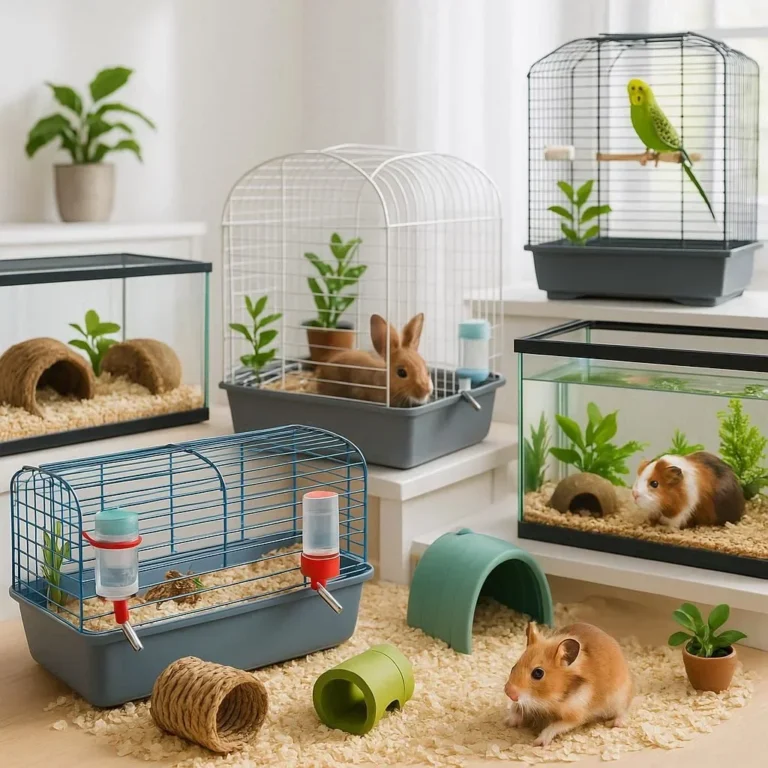
Choosing a companion that fits your lifestyle can be a rewarding experience, especially when you prioritize longevity. Small pets that live long offer years of affection without the space or time demands of larger animals. By focusing on species known for extended lifespans, you can enjoy the benefits of pet ownership while minimizing the emotional impact of loss. In this guide we explore the most reliable long‑lived options, provide essential care tips, and highlight why these creatures make excellent choices for both beginners and seasoned owners.
Small Pets That Live Long: Guinea Pigs
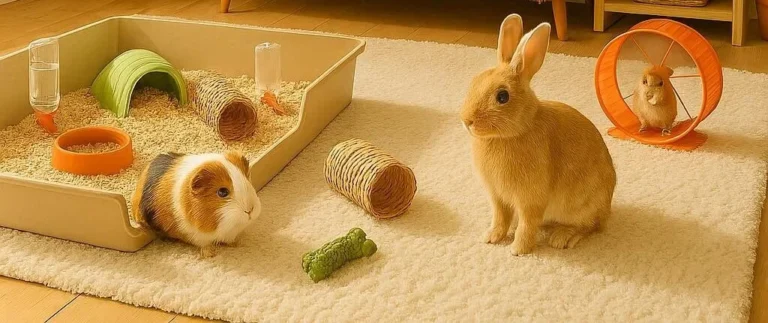
Guinea pigs are among the most popular small mammals, and for good reason. With a typical lifespan of 4 to 8 years, they often outlast other rodents, making them a reliable long‑term companion. Their gentle nature and vocalizations create a unique bond with owners. To maximize their lifespan, provide a spacious cage, a diet rich in vitamin C, and regular veterinary check‑ups. According to the Wikipedia entry on guinea pigs, a balanced diet of hay, fresh vegetables, and fortified pellets is essential for preventing scurvy, a common health issue in these animals.
Small Pets That Live Long: Rabbits
Domestic rabbits are often overlooked as long‑lived small pets, yet they can thrive for 8 to 12 years with proper care. Their social nature requires daily interaction and mental stimulation, which also contributes to their overall health. Incorporating a high‑fiber diet with unlimited hay, fresh greens, and limited pellets supports digestive health, a key factor in rabbit longevity (Wikipedia). Additionally, regular grooming and safe, rabbit‑proofed environments prevent injuries and stress, further extending their lifespan.
Small Pets That Live Long: Fancy Rats
Often labeled as “fancy rats,” these intelligent rodents can live 2 to 4 years, which is longer than many people expect for small pets. Their curiosity and trainability make them excellent companions for owners seeking interactive pets. To ensure a long, healthy life, maintain a clean cage, provide chew toys to keep teeth healthy, and offer a varied diet of grains, fruits, and vegetables. The American Kennel Club outlines best practices for rat care here, emphasizing the importance of regular health monitoring and social enrichment.
Small Pets That Live Long: Degus
Degus, native to Chile, are small rodents known for their social bundles and impressive lifespans of up to 5 to 8 years. Their need for companionship means they thrive best in pairs or small groups. A diet high in fiber, low in sugar, and supplemented with fresh vegetables mimics their natural desert diet, reducing the risk of diabetes—a common issue in captivity (Wikipedia). Providing ample chew toys and a dust bath area supports dental health and grooming habits, essential for longevity.
Key Factors for Longevity in Small Pets
Regardless of species, several universal elements influence the lifespan of small pets that live long. Understanding and implementing these factors can make a significant difference:
- Nutrition: A balanced, species‑specific diet rich in essential nutrients prevents common ailments.
- Environment: Spacious, safe enclosures reduce stress and prevent injuries.
- Social Interaction: Many small mammals are social; regular handling and enrichment promote mental health.
- Veterinary Care: Routine check‑ups and early disease detection are critical for maintaining health.
- Exercise: Opportunities for climbing, digging, or running keep muscles strong and joints flexible.
Top 5 Small Pets That Live Long
- Guinea Pigs – 4‑8 years
- Rabbits – 8‑12 years
- Degus – 5‑8 years
- Fancy Rats – 2‑4 years
- Holland Lop Rabbits (a dwarf breed) – 9‑11 years
Additional Resources
For deeper insight into small animal longevity and care, consult reputable sources such as the Michigan State University Extension and the USDA National Agricultural Library. These organizations provide evidence‑based guidelines on diet formulation, environmental enrichment, and preventive health strategies.
Conclusion
Investing in small pets that live long not only enriches your daily life but also offers a lasting companionship that respects your commitment to animal welfare. By selecting species such as guinea pigs, rabbits, fancy rats, or degus—and following comprehensive care practices—you set the foundation for many joyful years together. Ready to welcome a long‑lived small friend into your home? Explore local shelters or reputable breeders today and start building a bond that stands the test of time.
Frequently Asked Questions
Q1. What is the average lifespan of guinea pigs?
Guinea pigs typically live between 4 and 8 years when given proper care. Their lifespan can be influenced by genetics, diet, and regular veterinary check‑ups. Providing vitamin C‑rich foods and a spacious cage helps them reach the upper end of this range.
Q2. How can I extend my rabbit’s lifespan?
Keeping rabbits on an unlimited supply of high‑fiber hay, fresh greens, and limited pellets supports digestive health. Daily social interaction and safe, rabbit‑proofed housing reduce stress. Routine dental exams and vaccinations also contribute to a longer, healthier life.
Q3. Do degus need a companion?
Yes, degus are highly social and thrive best in pairs or small groups. Loneliness can lead to stress‑related illnesses such as diabetes. Providing companions along with enrichment toys ensures mental and physical well‑being.
Q4. What diet is best for fancy rats?
A balanced rat diet includes a quality commercial pellet base, fresh fruits, vegetables, and occasional whole grains. Limit sugary treats to prevent obesity and dental problems. Fresh water should be available at all times.
Q5. What are key signs of illness in small pets?
Watch for changes in appetite, activity level, droppings, or coat condition. Labored breathing, discharge from eyes or nose, and uncontrolled weight loss are red flags. Early veterinary intervention is crucial for a positive outcome.