Best Small Pets for Beginners
Choosing a pet for the first time can feel overwhelming, but the right animal makes the experience rewarding and stress‑free. The best small pets for beginners are species that require modest space, simple diets, and low‑maintenance grooming, yet still provide the companionship many new owners crave. Whether you live in an apartment, share a bedroom, or simply have a busy schedule, there are several low‑maintenance options that fit neatly into modern life. Understanding basic care, lifespan, and social needs helps you avoid costly mistakes and ensures a happy, healthy pet from day one. In this guide we’ll explore the top beginner‑friendly small animals, essential care tips, and common pitfalls to watch out for.
Why Choose Small Pets as a First Companion
Small animals are often ideal for first‑time owners because they demand less space and can thrive in cages or aquariums that fit under a desk or in a corner. Their shorter lifespans (relative to dogs or cats) can feel less daunting, while still offering years of interaction and learning. Moreover, many small pets are inexpensive to acquire and maintain, making them budget‑friendly for students or young professionals. According to the ASPCA, pets such as hamsters, guinea pigs, and betta fish have straightforward dietary needs and minimal grooming, allowing newcomers to focus on building a bond rather than mastering complex husbandry.
Top Beginner‑Friendly Small Pets
The following list highlights species that consistently rank high in temperament, ease of care, and availability of resources. Each entry includes a brief overview of housing, diet, and social requirements, so you can match a pet to your lifestyle.
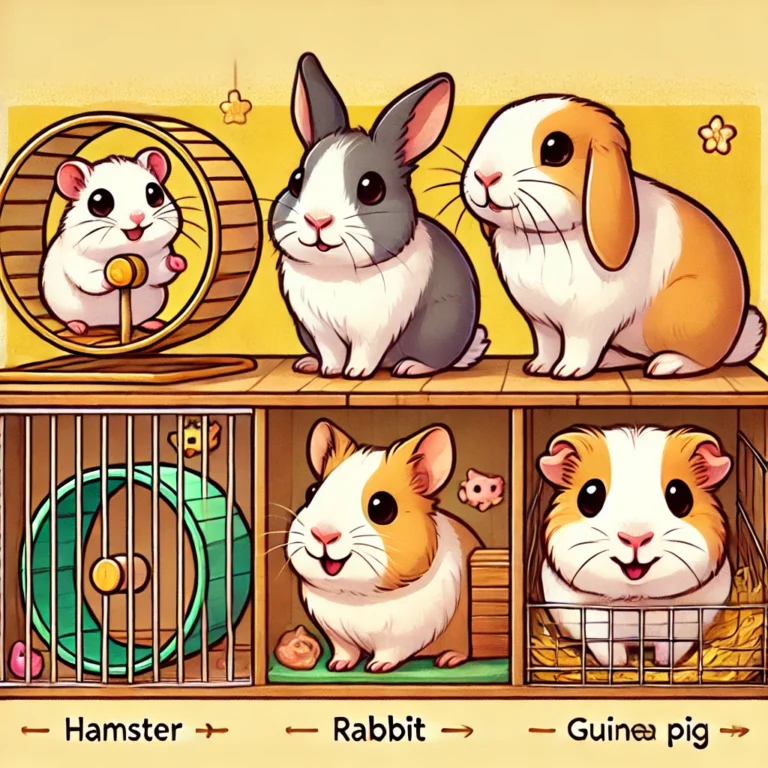
- Syrian Hamster – A solitary nocturnal rodent that thrives in a 450‑square‑inch cage with a deep layer of bedding. Feed a mix of commercial hamster pellets, fresh vegetables, and occasional fruit. Hamsters are low‑maintenance but benefit from weekly wheel exercise and gentle handling to build trust. Learn more.
- Guinea Pig – Social and affectionate, guinea pigs need a larger enclosure (minimum 7.5 sq ft) and enjoy companionship of their own kind. Their diet consists of hay, fortified pellets, and vitamin C‑rich veggies like bell peppers. Regular grooming of long‑haired varieties prevents matting.
- Betta Fish – Ideal for small apartments, bettas survive well in a 5‑gallon tank with a heater and gentle filtration. Feed high‑quality betta pellets and occasional frozen bloodworms. They are visually striking and require minimal space, making them a popular starter fish.
- Fancy Mouse – Active and curious, mice need a wire cage with solid flooring and plenty of enrichment toys. A balanced mouse diet includes seed mixes, grains, and fresh fruit. Mice are short‑lived but provide daily interaction and entertainment.
- Leopard Gecko – A reptile that prefers a 10‑gallon terrarium with a warm side and cool side temperature gradient. Feed gut‑loaded crickets or mealworms every few days and provide a calcium supplement. Their docile nature makes them easy to handle.
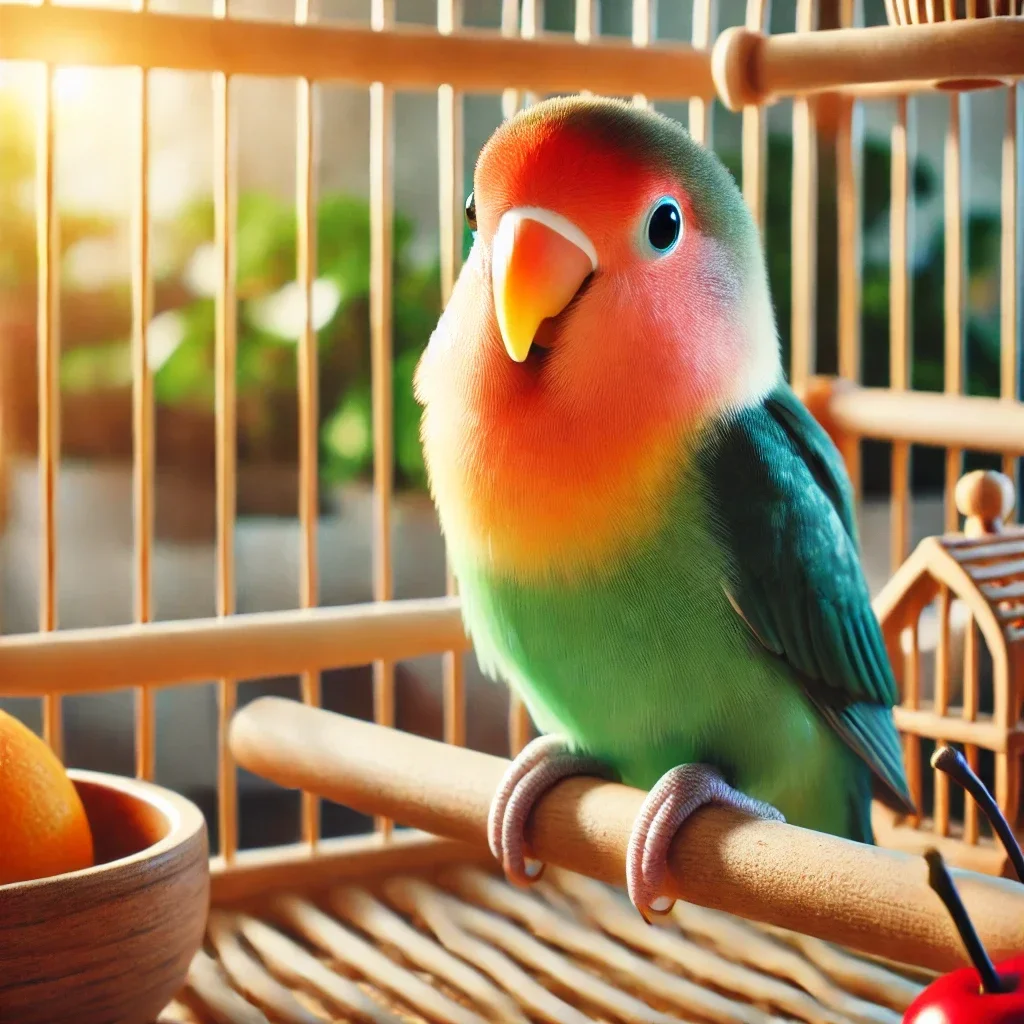
- Budgerigar (Parakeet) – Small parrots that thrive in a 18‑inch cage with vertical space for flight. Their diet includes seed blends, fresh greens, and occasional millet spray. Budgies are vocal and enjoy social interaction, both with owners and other birds.
- Rats – Intelligent and social, rats need a spacious cage (minimum 2 sq ft) with tunnels and chew toys. Their diet consists of laboratory‑grade rat pellets, fresh vegetables, and occasional fruit. Rats can be trained to perform simple tricks, providing rewarding engagement.
- African Dwarf Frog – An aquatic amphibian that lives in a 10‑gallon tank with filtered water. Feed bloodworms or daphnia 2‑3 times per week. Frogs are quiet and low‑maintenance, suitable for those who prefer a non‑mammalian pet.
Essential Care Basics for Small Pets
Regardless of the species you choose, there are universal care principles that help ensure a healthy, thriving pet. First, provide an appropriate enclosure that respects the animal’s natural behavior—vertical space for climbing birds, digging substrate for rodents, and a water filter for fish. Second, maintain a consistent feeding schedule using species‑specific diets; over‑feeding can lead to obesity, while under‑feeding can cause malnutrition. Third, schedule regular cleaning to prevent the buildup of ammonia, mold, or parasites. Finally, allocate time each day for interaction, mental stimulation, and gentle handling; this strengthens trust and reduces stress. The U.S. Department of Agriculture emphasizes that proper sanitation and nutrition are the cornerstones of responsible pet ownership.
Common Mistakes to Avoid
New owners often fall into predictable traps that can jeopardize the health of their small companions. One frequent error is purchasing a pet without researching its social needs—some rodents, like guinea pigs, suffer when kept alone, while hamsters thrive solo. Another pitfall is under‑estimating space requirements; a cramped cage can lead to stress-induced behaviors and health issues. Over‑handling, especially with delicate species such as hedgehogs or bettas, can cause injury. Finally, neglecting regular veterinary check‑ups, especially for rats and ferrets that can develop tumors, puts the animal at unnecessary risk. Consulting reputable sources—such as Wikipedia’s guinea pig page—helps you stay informed about species‑specific warnings.
Conclusion: Start Your Journey with the Best Small Pets for Beginners
Embarking on pet ownership is a rewarding adventure when you select a creature that matches your lifestyle, space, and commitment level. The best small pets for beginners—including hamsters, guinea pigs, betta fish, and budgerigars—offer manageable care routines, engaging personalities, and the chance to learn responsible animal stewardship without overwhelming complexity. By following the essential care guidelines, avoiding common mistakes, and providing a nurturing environment, you’ll set the stage for a happy, healthy pet and a fulfilling companionship.
Ready to bring a new friend home? Explore local shelters or reputable breeders today, and start building a lifelong bond with one of the best small pets for beginners. Your perfect companion is waiting—take the first step now!
Frequently Asked Questions
Q1. What small pet is easiest for a first‑time owner?
Syrian hamsters are often recommended for beginners because they require minimal space, are solitary, and have simple dietary needs. A 450‑square‑inch cage with bedding, a wheel, and regular handling provides everything they need. They are nocturnal, so they’re active when you’re home in the evening.
Q2. How much space does a guinea pig need?
Guinea pigs thrive in an enclosure of at least 7.5 square feet, which allows room for exercise and multiple hiding spots. Providing a solid floor with deep bedding and a hideout mimics their natural environment. Adequate space also reduces stress and promotes healthy social interaction.
Q3. Do betta fish require a heater?
Yes, bettas are tropical fish and need a stable temperature between 76°F and 82°F. A reliable aquarium heater combined with a gentle filter keeps the water conditions optimal. Consistent temperature prevents stress and encourages vibrant coloration.
Q4. Can I keep multiple mice together?
Male mice should never be housed together because they are highly territorial and can fight. Female mice can live in groups if they have enough space and enrichment to prevent overcrowding. Always monitor behavior when introducing new mice to an existing colony.
Q5. How often should I clean a small pet’s cage?
Spot‑clean waste daily and perform a full cleaning of the cage once a week. Replace bedding, wash all accessories with warm, unscented soap, and rinse thoroughly. Regular cleaning prevents ammonia buildup, parasites, and respiratory issues.