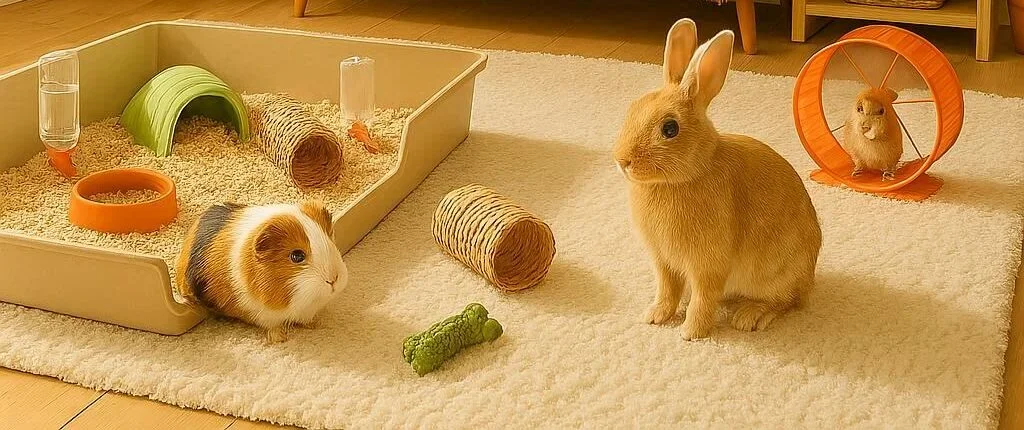
Best Small Pets for Beginners
Choosing the Best Small Pets for beginners can feel overwhelming, but with the right information, you’ll find a companion that fits your lifestyle, budget, and space. Whether you’re a student, a busy professional, or a first‑time pet owner, small pets offer a rewarding experience without the long‑term commitment of larger animals. In this guide, we’ll explore the top options, highlight their care needs, and give you practical tips to ensure a happy, healthy relationship.
Guinea Pigs: Social Companions
Guinea pigs are renowned for their gentle nature and social behavior. They thrive in pairs or small groups, making them ideal for families or individuals who enjoy interactive pets. Their diet is simple—high‑quality hay, fresh vegetables, and a small amount of guinea‑pig‑specific pellets. They require a spacious cage (at least 7.5 ft² per animal) and regular grooming to keep their fur free of mats. According to the Guinea pig Wikipedia page, they are also known for their vocalizations, which can be a delightful way to bond.
Hamsters: Compact and Curious
Hamsters are a classic choice for apartment dwellers. Their small size (typically 2–4 inches) and nocturnal habits mean they’re low‑maintenance and can be kept in a single cage with a wheel, tunnels, and bedding. They are solitary by nature, so it’s best to keep one hamster per cage to avoid fighting. A hamster’s diet should include a mix of hamster pellets, fresh fruit, and occasional protein sources like boiled egg. The Hamster Wikipedia entry notes that they are excellent for teaching children responsibility.
Betta Fish: Colorful Aquatic Pets
Betta fish, also known as Siamese fighting fish, are a stunning addition to any small‑pet collection. They require a tank of at least 2.5 gal, a filter, and a heater to maintain a stable temperature of 76–82 °F. Bettas are solitary, so one fish per tank is recommended. Their diet consists of high‑quality betta pellets and occasional frozen or live foods. The Betta fish Wikipedia article highlights their vibrant colors and flowing fins, making them a visual treat.
Rabbits: Gentle and Playful
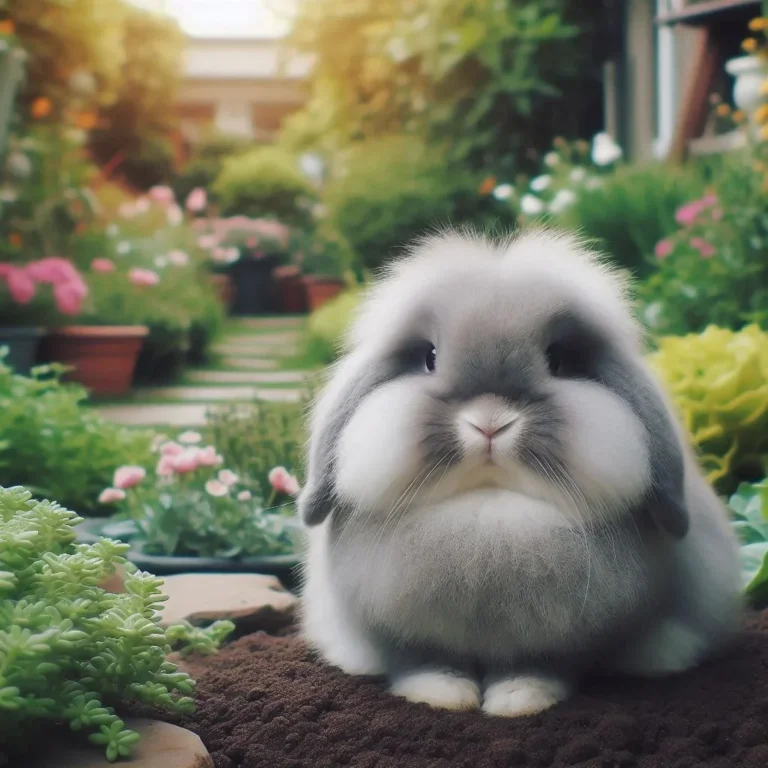
Rabbits are affectionate and can be trained to use a litter box, making them a great low‑maintenance option for beginners. They need a large enclosure (at least 8 ft²) and a safe outdoor space if you choose to let them roam. A rabbit’s diet should be rich in hay, fresh greens, and limited pellets. They also require regular nail trimming and dental checks, as their teeth grow continuously. The Rabbit Wikipedia page provides detailed care guidelines.
Hermit Crabs: Low‑Maintenance Sea Creatures
Hermit crabs are fascinating, low‑maintenance pets that thrive in a terrarium with a humidity level of 70–80 %. They need a shallow water dish for soaking, a dry area for burrowing, and a supply of fresh shells to grow into. Their diet includes commercial hermit crab food, fresh vegetables, and occasional protein like shrimp. The Hermit crab Wikipedia entry explains their unique shell‑changing behavior.
Essential Supplies for Small Pets
Below is a quick checklist to help you get started:
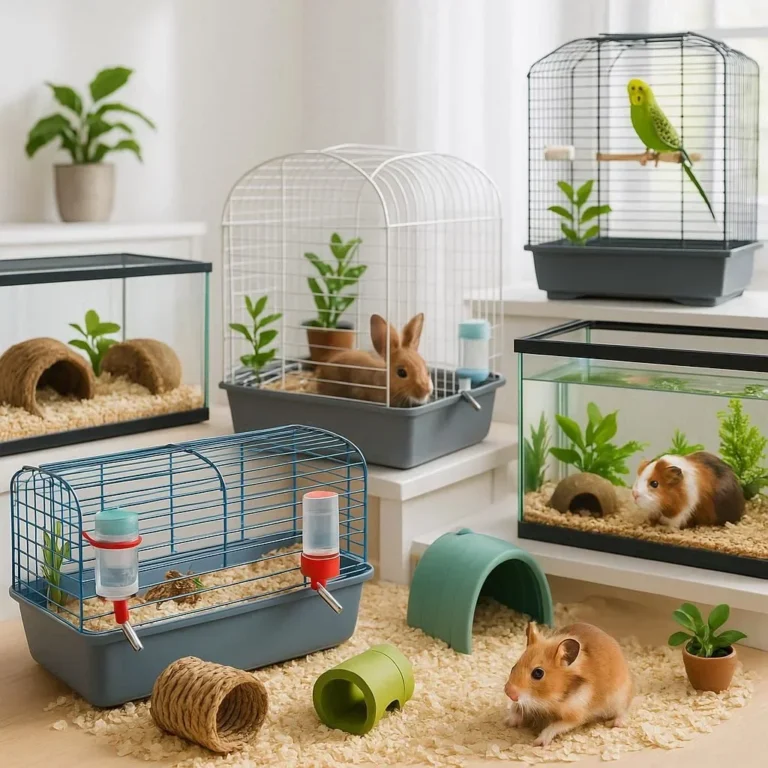
- Appropriate cage or tank (size depends on species)
- Quality bedding or substrate (e.g., paper bedding, aquarium gravel)
- Food and water dishes (non‑leaking, easy to clean)
- Regular cleaning supplies (disinfectant, gloves)
- Species‑specific toys or enrichment items (e.g., tunnels, wheels)
- Health monitoring tools (thermometer, scale)
Pet Care Tips for Beginners
1. Research the species before purchasing. Each animal has unique needs—temperature, diet, socialization.
2. Start with a single pet to gauge your commitment level.
3. Establish a routine for feeding, cleaning, and interaction.
4. Visit a veterinarian experienced with small animals for a health check.
5. Provide enrichment to prevent boredom and promote natural behaviors.
Safety and Health Resources
For reliable health guidelines, consult the CDC Animal Health page and the American Veterinary Medical Association. These sites offer up‑to‑date information on disease prevention, vaccination, and general care.
Conclusion: Your Small‑Pet Journey Starts Here
Choosing the Best Small Pets for beginners is about matching a species’ needs with your lifestyle. Whether you opt for a social guinea pig, a nocturnal hamster, a colorful betta fish, a playful rabbit, or a curious hermit crab, each offers a unique companionship experience. Remember to invest in proper supplies, maintain a consistent care routine, and stay informed through reputable resources.
Ready to bring home a small pet? Start your journey today by visiting a local pet store, rescue center, or reputable breeder. Your new furry, feathered, or shelled friend awaits!
Frequently Asked Questions
Q1. What are the best small pets for beginners?
For first‑time owners, the most popular choices are guinea pigs, hamsters, betta fish, rabbits, and hermit crabs. Each offers a different level of interaction, space needs, and maintenance. Guinea pigs are social and easy to handle, hamsters are low‑maintenance and great for apartments, betta fish provide a colorful visual experience, rabbits can be litter trained, and hermit crabs are fascinating low‑maintenance sea creatures. Choosing the right one depends on your lifestyle, budget, and the amount of time you can dedicate to care.
Q2. How much space do small pets need?
Space requirements vary by species. Guinea pigs need at least 7.5 ft² per animal, hamsters can thrive in a single cage with a wheel, betta fish require a 2.5‑gal tank, rabbits need a minimum of 8 ft², and hermit crabs need a terrarium with both wet and dry areas. Always check the specific species guidelines and provide extra room for enrichment activities.
Q3. Are small pets good for kids?
Yes, many small pets are excellent for children. Hamsters and guinea pigs teach responsibility and gentle handling, while rabbits can be litter trained and are interactive. Betta fish and hermit crabs are less hands‑on but still engaging for kids who enjoy observing aquatic or terrarium life. Supervision is key to ensure safe interaction.
Q4. What is the cost of owning a small pet?
Initial costs include the pet itself, cage or tank, bedding, and food. Ongoing expenses cover fresh food, occasional vet visits, and enrichment items. For example, a guinea pig may cost $20–$30, a hamster $5–$10, a betta fish $10–$15, a rabbit $30–$50, and a hermit crab $15–$25. Budgeting for these recurring costs helps maintain a healthy pet.
Q5. How do I choose the right small pet for my lifestyle?
Consider your living space, schedule, and how much time you can spend daily. Think about whether you prefer a social animal or a low‑maintenance option, and whether you have children or allergies. Research each species’ care needs, consult reputable sources, and visit local shelters or breeders to meet the animals before deciding.