Best Small Pets for Apartments
Living in a city‑center apartment doesn’t mean you have to give up the companionship of a pet. The key is to choose animals that thrive in compact spaces, require modest care, and stay quiet enough not to disturb neighbors. In this guide we explore the best small pets for apartments, explain why these critters are ideal for limited living quarters, and provide practical tips for creating a happy, healthy home for your new friend.
Best Small Pets for Apartments – Why Choose Small Pets
Apartment‑friendly animals are generally small‑bodied, low‑maintenance, and capable of adapting to indoor environments. They produce less noise, have minimal scent, and often need only a modest amount of daily interaction. According to the Companion animals article on Wikipedia, pets that can live comfortably in confined spaces typically include small mammals, birds, and reptiles. Choosing a pet that matches the size of your living area helps prevent stress for both you and the animal, leading to a more rewarding relationship.
Best Small Pets for Apartments – Top 5 Choices
Below are the most popular and adaptable selections for city dwellers. Each entry includes basic care requirements, space needs, and why it ranks among the best small pets for apartments.
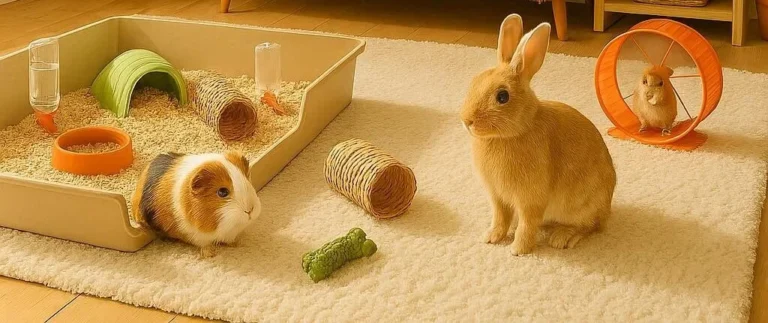
- Guinea Pig – These gentle rodents thrive on a modest cage (about 7.5 square feet) and enjoy daily hand‑feeding. They are social, so a pair is recommended. Their soft squeaks are rarely disruptive.
- Budgerigar (Budgie) – A small parakeet that lives comfortably in a 20‑inch cage. Budgies are vocal but the chirps can be trained to occur at reasonable hours. They need fresh vegetables and interaction.
- Betta Fish – Requires a 5‑gallon tank with heated water and minimal filtration. Their vibrant fins provide visual appeal without taking up floor space.
- Leopard Gecko – A low‑maintenance reptile that needs a 10‑gallon terrarium, heat lamp, and occasional insects. They are nocturnal, making them quiet companions.
- Hamster – Ideal for beginners; a 450‑square‑inch cage suffices. They are active at night, so place the cage away from sleeping areas to avoid occasional rustling.
Best Small Pets for Apartments – Essential Considerations Before Adoption
Even the most adaptable creature has specific needs. Before bringing any animal home, evaluate your schedule, budget, and any lease restrictions. Many landlords allow small mammals and fish but prohibit certain birds or reptiles. Verify local regulations via the CDC healthy pets guidelines, especially if you have allergies or live with vulnerable individuals. Additionally, consider the pet’s lifespan; some small mammals live 2‑3 years, while reptiles can exceed a decade.
Best Small Pets for Apartments – Creating a Pet‑Friendly Space
Designing a safe, comfortable habitat is essential. Use a sturdy cage or tank positioned away from direct sunlight and drafts. Provide enrichment items such as tunnels for hamsters, climbing branches for budgies, and hiding spots for geckos. Regular cleaning prevents odors that could bother neighbors. For noisy pets, schedule interaction during daylight to limit late‑night activity. The ASPCA pet care site offers detailed cleaning and enrichment tips to keep your apartment orderly.
Best Small Pets for Apartments – Frequently Asked Questions
Can I keep more than one small pet? Most small mammals benefit from companionship, but ensure the cage is sized appropriately to avoid overcrowding.
How much does feeding cost? Budgies and guinea pigs require fresh produce weekly; betta fish need specialized flakes or pellets, typically under $20 per month.
What about pet insurance? While not required, a low‑cost policy can cover unexpected veterinary expenses, especially for reptiles.
Conclusion: Selecting the right animal makes apartment living enjoyable and stress‑free. By focusing on the best small pets for apartments, you can enjoy companionship without compromising space, noise levels, or lease agreements. Ready to welcome a new friend? Explore local shelters, reputable breeders, or pet stores that specialize in these apartment‑friendly species, and start building a loving home today.
Frequently Asked Questions
Q1. Are small pets suitable for a noisy apartment building?
Yes, most small pets such as guinea pigs, hamsters and betta fish produce minimal noise, making them ideal for apartments with thin walls. They are accustomed to indoor environments and can thrive if provided with a quiet corner and regular interaction. However, birds may chirp, so consider training or using sound‑dampening cages.
Q2. How much space does a guinea pig need?
A guinea pig requires at least a 7.5‑square‑foot cage (approximately 30 in × 36 in) with a solid floor. Adding a second guinea pig means you should increase the area to prevent crowding. Include tunnels, hideouts, and bedding for enrichment.
Q3. Can I keep a betta fish and a hamster in the same room?
Yes, a betta fish in a sealed aquarium and a hamster in a cage can share a room as long as the tank is covered to prevent the hamster from climbing in and the hamster’s bedding stays away from the water. Maintain proper temperature for the fish and keep the hamster’s cage away from direct sunlight. Regular cleaning will prevent odors that could affect either pet.
Q4. What are the basic dietary needs of a budgerigar?
Budgerigars need a balanced diet of high‑quality seed mix, supplemented with fresh vegetables like carrots, broccoli, and leafy greens. They also require a source of calcium such as cuttlebone and occasional fruit treats. Fresh water should be changed daily.
Q5. How often should I clean a leopard gecko’s terrarium?
Spot‑clean the terrarium daily by removing uneaten prey and waste. A full substrate change and thorough cleaning of the tank, decorations, and water dish should be done every 30‑45 days. Regular cleaning helps prevent bacterial growth and keeps your gecko healthy.