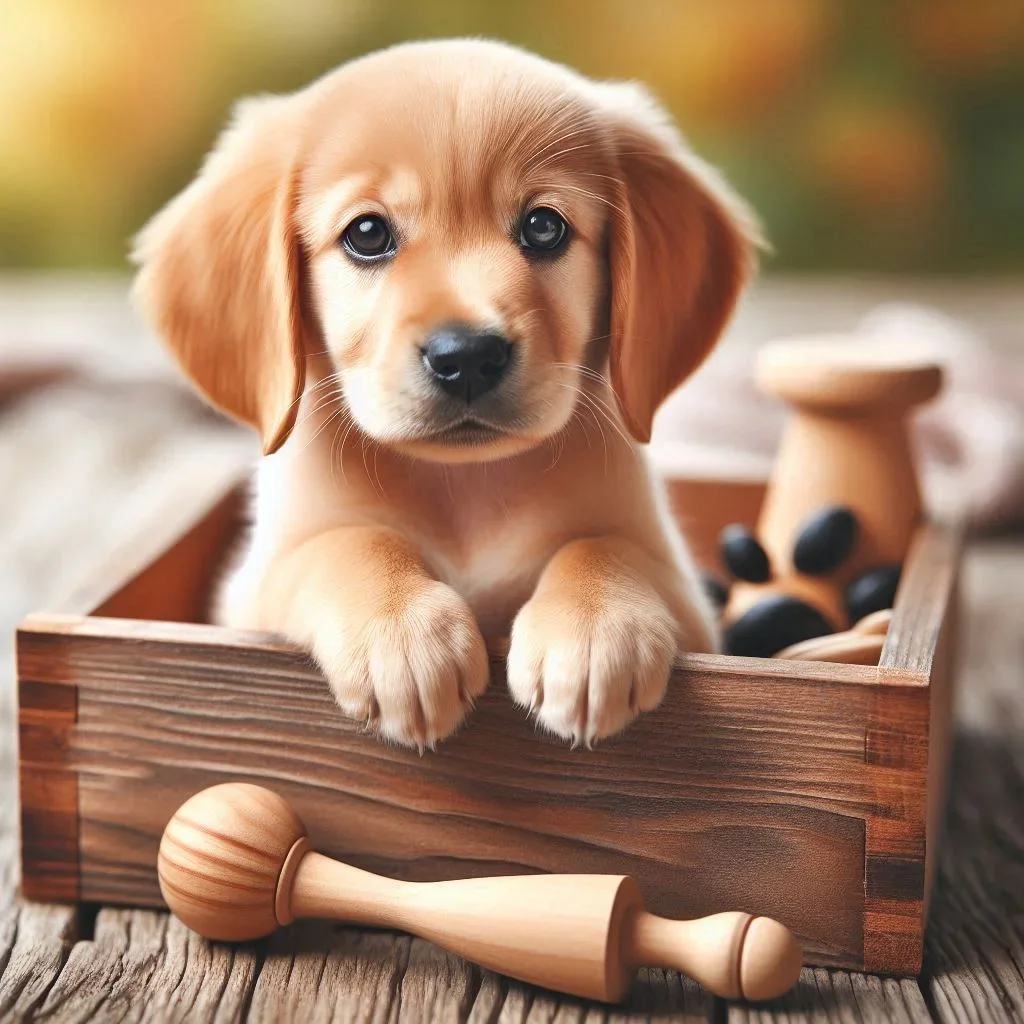
Best Puppy Training Techniques According to Breed Characteristics
Welcoming a new puppy into your family is an exciting experience, but it also comes with the responsibility of proper training. Every dog breed has unique characteristics, temperaments, and learning styles, making it essential to tailor your training approach to suit your puppy’s specific needs. In this comprehensive guide, we’ll explore the best puppy training techniques according to breed characteristics, helping you raise a well-behaved and well-adjusted companion.
Understanding Breed Characteristics
Before diving into training, it’s crucial to understand the inherent traits of your puppy’s breed. Different breeds were historically bred for specific purposes, such as herding, hunting, or companionship, and these instincts influence their behavior and learning patterns. For example:
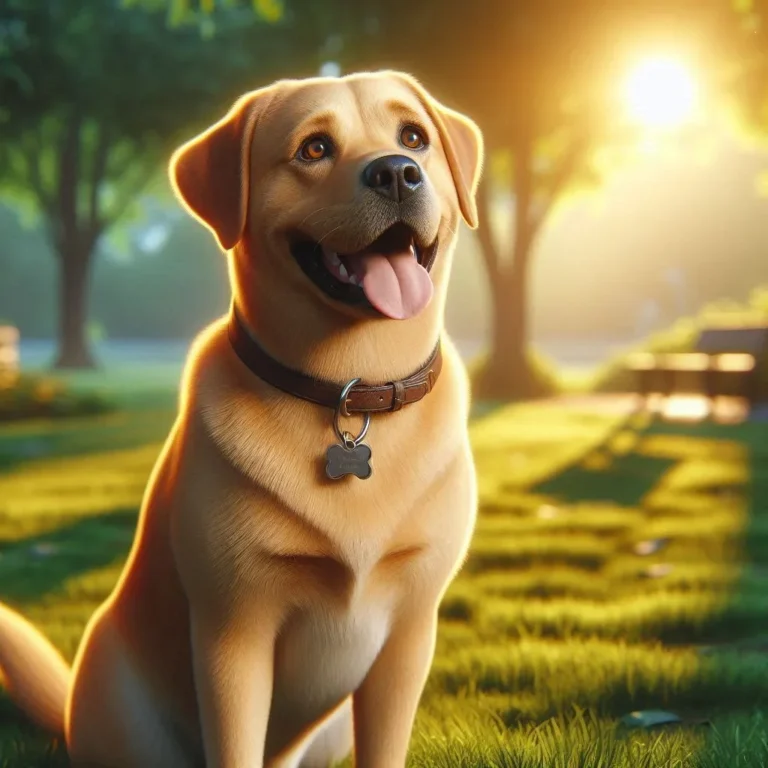
- Sporting breeds like Labrador Retrievers and Golden Retrievers are highly energetic and thrive on obedience and agility training.
- Working breeds such as German Shepherds and Rottweilers are intelligent and respond well to structured, mentally stimulating exercises.
- Toy breeds like Chihuahuas and Pomeranians may require more patience due to their smaller size and independent nature.
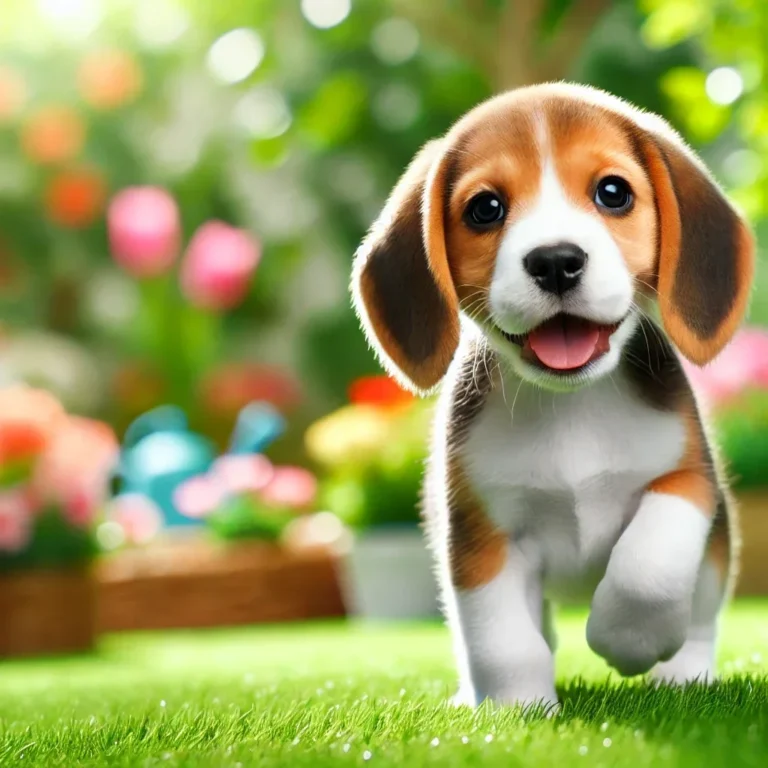
- Hound breeds such as Beagles and Dachshunds can be easily distracted by their strong sense of smell.
Tailoring Training to Breed Traits
By aligning your training methods with your puppy’s breed characteristics, you can maximize their learning potential and strengthen your bond. Below, we’ll break down the best techniques for various breed types.
1. Training for Large and Energetic Breeds
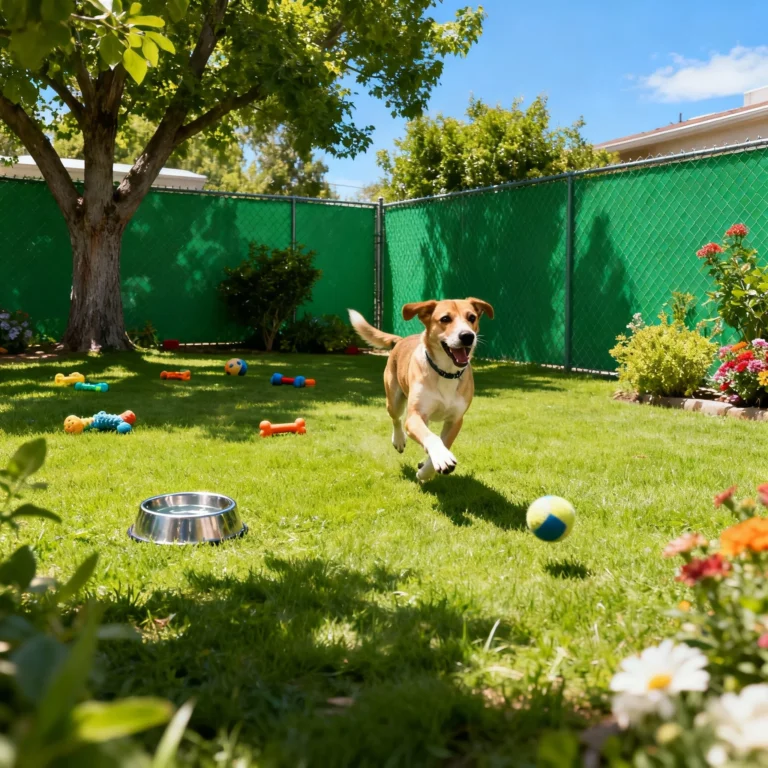
Large and energetic breeds like Labradors, German Shepherds, and Australian Shepherds require plenty of physical and mental stimulation. These breeds excel in obedience, agility, and retrieval games. Here are some effective training tips:
- High-Energy Exercises: Incorporate long walks, runs, and playtime in open spaces to burn off excess energy.
- Interactive Toys: Use puzzle toys filled with treats to keep them mentally engaged and prevent boredom.
- Positive Reinforcement: Reward good behavior with treats, praise, and affection to reinforce desired actions.
2. Training for Small and Delicate Breeds
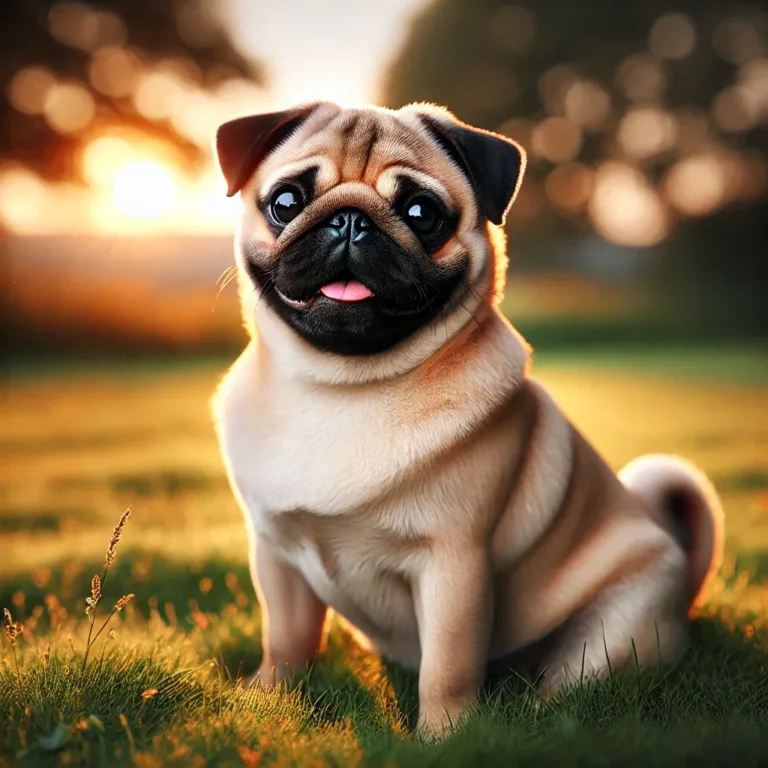
Small breeds like Pugs, Pomeranians, and Chihuahuas may require a gentler approach due to their size and sensitivity. Consistency and patience are key when training these puppies.
- Short Sessions: Keep training sessions short (5-10 minutes) to avoid overwhelming your puppy.
- Indoor Training: Focus on indoor activities like potty training, basic commands, and socialization.
- Positive Reinforcement: Use small treats and praise to encourage good behavior without overwhelming your puppy.
3. Training for Working Breeds
Working breeds such as Rottweilers, Dobermans, and Boxers are naturally protective and highly intelligent. They thrive on structure and mental challenges. Here’s how to train them effectively:
- Structured Routine: Establish a consistent daily routine that includes training, exercise, and play.
- Advanced Commands: Teach advanced commands like “stay,” “heel,” and “leave it” to challenge their intelligence.
- Socialization: Socialize your puppy extensively to ensure they interact calmly with strangers and other animals.
4. Training for Companion Breeds
Companion breeds like Cavalier King Charles Spaniels, Shih Tzus, and Bichon Frise are bred for affection and companionship. They respond well to loving, interactive training.
- Gentle Commands: Use soft, calm commands to guide your puppy.
- Play-Based Learning: Incorporate play into training sessions to make learning fun and engaging.
- Housebreaking: Focus on potty training and basic manners to ensure your puppy is well-behaved indoors.
The Importance of Consistency and Patience
Regardless of breed, consistency and patience are key to successful puppy training. Dogs thrive on routine and clear communication, so establish a set schedule for feeding, exercise, and play. By doing so, you’ll help your puppy feel secure and develop good habits from an early age.
Additional Tips for Effective Training
- Use High-Value Rewards: Treats, toys, and praise can motivate your puppy to learn quickly.
- Avoid Negative Reinforcement: Focus on positive reinforcement rather than punishment to build trust and confidence.
- Stay Calm and Patient: Dogs sense their owner’s emotions, so stay calm and patient during training sessions.
Conclusion
Every puppy is unique, and understanding their breed characteristics is the first step to effective training. By tailoring your approach to your puppy’s needs, you’ll create a strong foundation for a lifelong friendship. Remember to stay consistent, patient, and positive, and don’t hesitate to seek professional help if you encounter challenges. With time and effort, your puppy will grow into a well-behaved and loving companion.
Call to Action:
If you found this guide helpful, share your own puppy training tips in the comments below! For more resources on puppy care and training, visit the American Kennel Club or consult with a professional dog trainer in your area.