Best Practices for Introducing Small Pets to Kids
Bringing a small pet into the home can be a joyous milestone for families, especially when kids are involved. The companionship, sensory enrichment, and hands‑on learning opportunities that a small pet offers are immeasurable. However, to guarantee a safe, joyful introduction for both the child and the animal, parents need a solid plan—one that balances excitement with responsibility and safety.
Why Small Pets Are Perfect for Kids
- Size matters – Small pets such as guinea pigs, hamsters, sugar gliders, and tropical fish are naturally less intimidating than larger cats or dogs.
- Lower upkeep – Daily feeding and litter changes are manageable for teens and older children.
- Teaching moments – Caring for a pet helps children develop empathy, time‑management skills, and a sense of responsibility.
A 2023 study by the American Veterinary Medical Association (AVMA) found that households with children aged 6‑12 who owned small pets had a 25 % higher likelihood of practicing healthy habits such as regular hand washing.
Choosing the Right Small Pet
The first step is asking yourself and your child: what makes the most sense for your home, budget, and lifestyle?
1. Consider the pet’s temperament
- Guinea pigs thrive on gentle handling and vocal interaction.
- Hamsters prefer minimal daytime contact, making them ideal for younger kids.
- Sugar gliders need companionship and a night‑light, fitting for families who love interactive bonding.
2. Evaluate space and hygiene
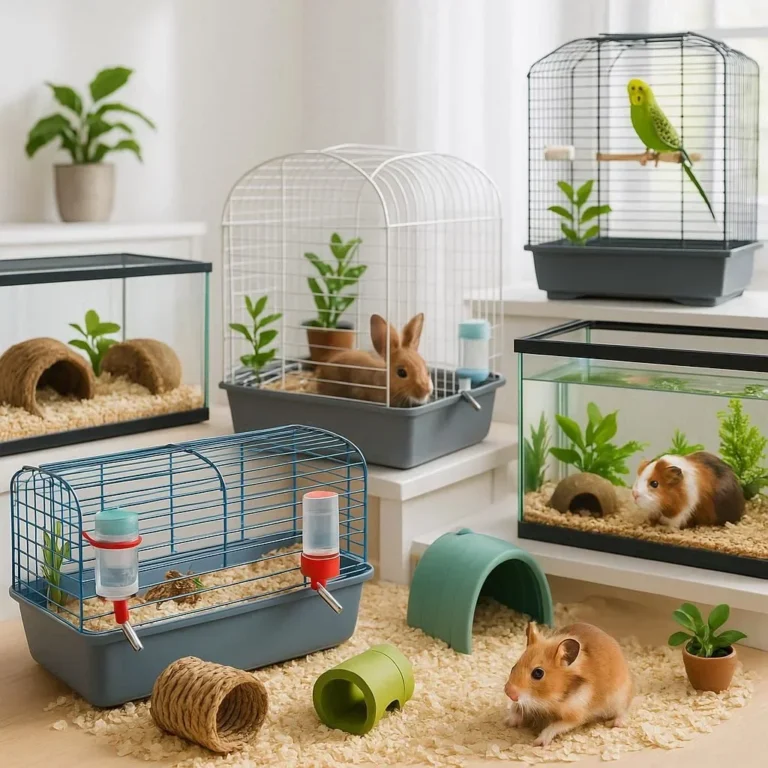
- A small terrarium or cage should be easy to clean and ventilated.
- Consider a fish tank for visual interest but remember the temperature control.
3. Factor in allergies
If any family member has pollen or dander sensitivities, choose hypoallergenic breeds or fish.
AVMA – Small Animal Care Guidelines
Preparing the Home for Your New Companion
Before the animal arrives, create a safe, engaging environment.
- Secure the cage – Use a lock or a stand that prevents the animal from climbing.
- Remove hazards – Hide toxic plants, loose wires, and unsecured heavy objects.
- Set up enrichment – Rotated toys, chew items, and a comfortable nesting area keep the pet mentally stimulated.
For detailed safety standards, see the Humane Society’s Guide to Pet Safety.
Teaching Kids Responsible Pet Care
Once the animal is in place, the real work begins: educating your child.
Daily Responsibilities
- Feeding – Measure portions and schedule consistency.
- Watering – Clean water bowls every weekday.
- Cleaning – Weekly litter box changes or tank maintenance.
Hand Hygiene
- Children should wash hands before and after pet interaction. Instill this habit as you always do after using the restroom.
Understanding Boundaries
- Teach kids to recognize the pet’s signals: a quick twitch means excitement, while a slow blinking could indicate discomfort.
WHO – Zoonotic Disease Prevention
Safety First: Supervision and Boundaries
Even the most well‑being small pet can become a source of injury if mismanaged.
- Never leave a child with a live animal unattended.
- Use a child‑size leash when bringing a small dog or cat into the house.
- Monitor introductions between pets: a shy hamster will often feel threatened if a curious child climbs into the cage.
- Create a “pet zone” where the animal can retreat when overwhelmed.
Parents should also keep an emergency kit: a first‑aid box tailored for pets, vet contact information, and a copy of the pet’s medical records.
Routine Care and Health Checks
Health is wealth. The following steps help you catch potential issues early.
- Regular vet visits – Schedule annual check-ups or at least once every six months.
- Vaccinations – Follow guidelines from CDC’s Small Animal Vaccination Chart.
- Parasite control – Use approved shampoos or parasite preventatives suited for the particular species.
- Observation – Watch for changes in appetite, behavior, or appearance; report them to your vet promptly.
Introducing the Pet to Your Child
The actual first encounter can be nervous for both parties. Here’s a structured approach:
- Let the child smell the enclosure before entering.
- Allow gentle touch – Provide a soft cloth for the child to pet.
- Repeat short sessions – Keep the first few interactions brief to prevent overwhelm.
- Encourage questions – Foster curiosity; answer honestly to nurture emotional bonds.
A 2021 longitudinal study by the Journal of Family Therapy found that families who engaged in shared pet care reported a 32 % increase in overall family cohesion.
Long-Term Bonding and Learning
As the pet and child grow together, you can introduce more responsibilities.
- Build a schedule for feeding, cleaning, and playtime.
- Teach veterinary basics – How to read a vet report, how to interpret symptoms.
- Encourage empathy – Discuss why a pet might feel scared or hurt.
These practices boost children’s emotional intelligence and can translate into better social skills outside the home.
Common Myths Debunked
- Myth: Small pets can’t train. Fact: With patient repetition, animals like guinea pigs can perform tricks (e.g., stepping on a treat‑tipped “touch‑stick”).
- Myth: A pet is a free‑wheeling responsibility. Fact: All pets require time, money, and emotional investment.
- Myth: Kids automatically know how to care for a pet. Fact: Structured education is crucial to avoid neglect.
Address these myths early to ensure realistic expectations.
Resources for Further Learning
- Child‑friendly Animal Care Guides (Wikipedia collection)
- Children’s Health – Pet Safety Resources
- PETA – Responsible Pet Ownership
Conclusion & Call‑to‑Action
Introducing a small pet to a family setting offers endless benefits—from teaching responsibility to strengthening family bonds. By carefully selecting the right animal, preparing the environment, and instilling responsible care habits, parents can create a harmonious, safe home for both child and pet.
Ready to take the next step? Start by researching the pet that best matches your family’s schedule and energy level, consult a reputable vet, and set a “pet‑friendly” zone in your home. Share your journey on social media or a pet‑care blog, and help others transform their families just as you did.
Remember, the true measure of success is not just a happy animal, but a growing, compassionate child who learned responsibility by loving an ally.