Best Pet Birds for Beginners
Choosing the right bird can transform your home into a vibrant, feathered sanctuary. For those new to the world of avian companions, the term Best Pet Birds often conjures images of colorful, friendly, and low-maintenance species. In this guide, we’ll explore the top bird species that are ideal for beginners, focusing on ease of care, temperament, and overall suitability for first-time owners. By the end, you’ll have a clear idea of which feathered friend fits your lifestyle and how to provide a happy, healthy environment.
1. Budgerigar (Budgie)
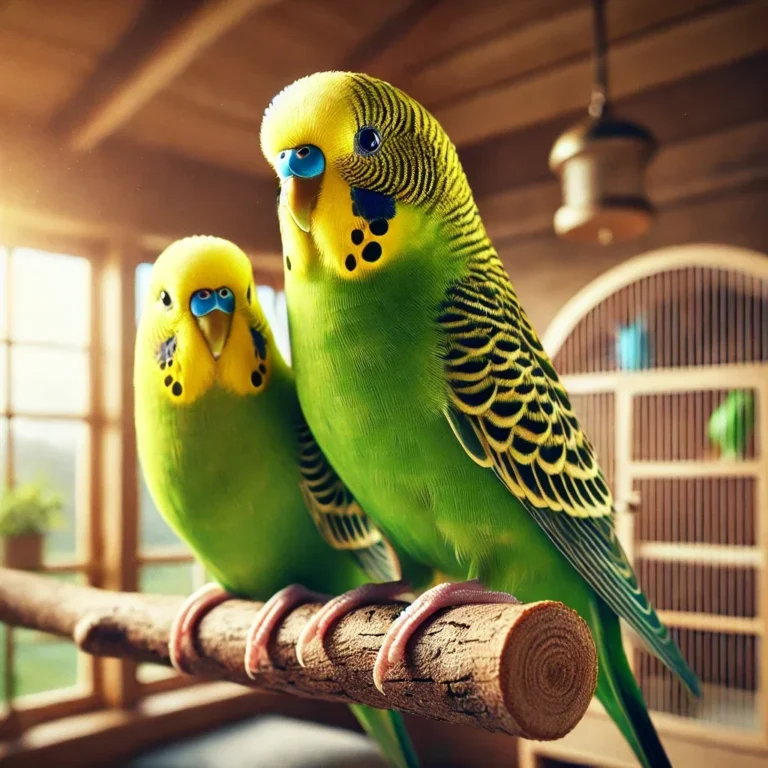
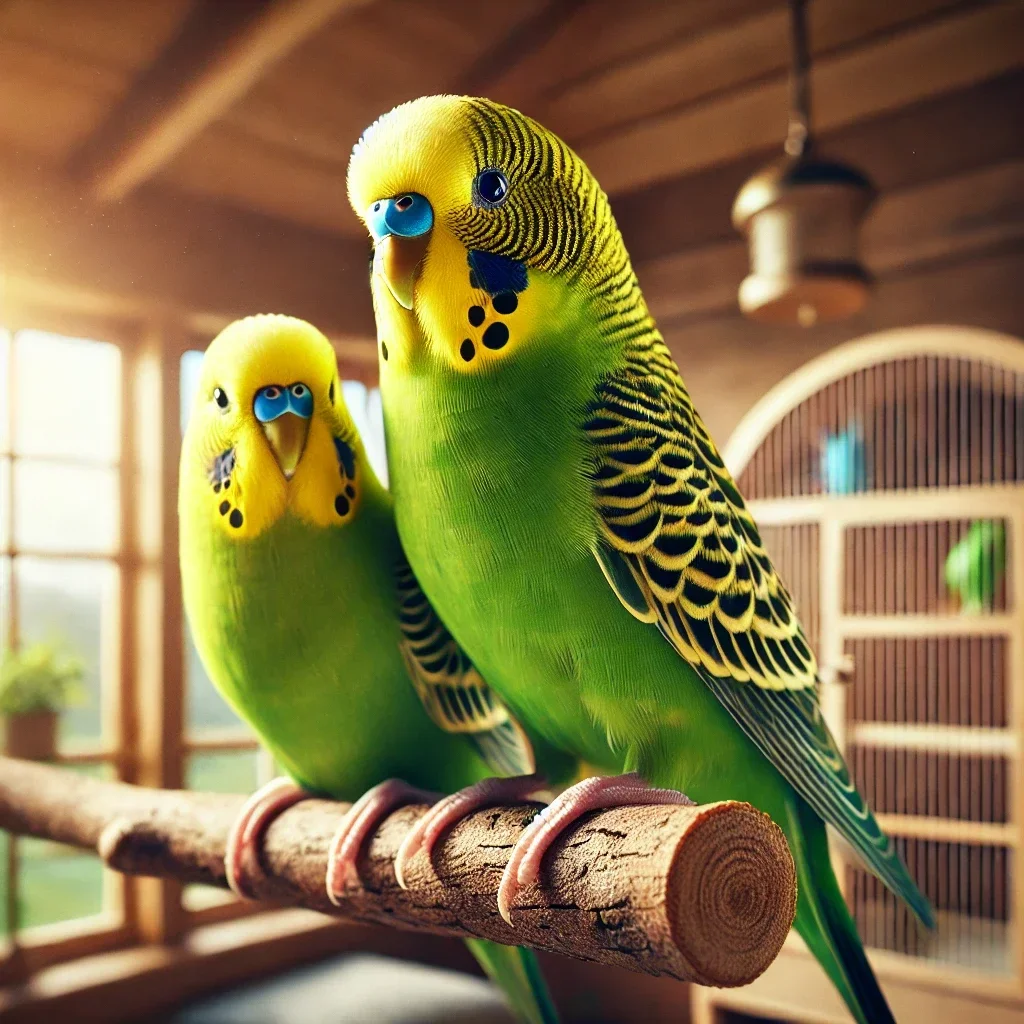
Budgerigars, commonly known as budgies or budgies, are small parrots that have become a staple in many households. Their playful personalities and relatively low cost make them a top choice for beginners. Budgies thrive on a balanced diet of seeds, fresh vegetables, and occasional fruit. They also enjoy interactive toys and daily social interaction, which helps prevent boredom and destructive behavior.
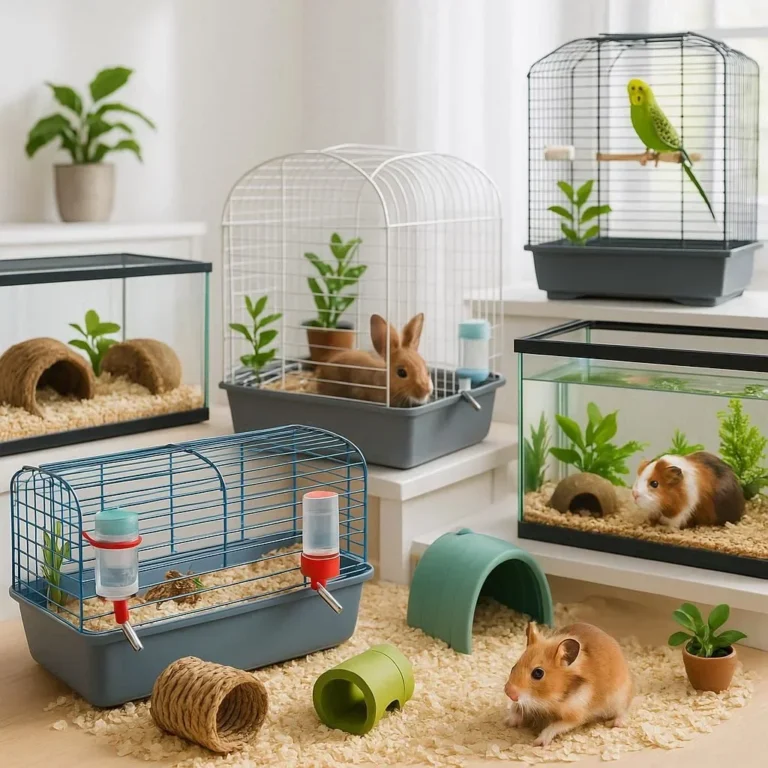
- Space Requirements: A cage of at least 18×18×18 inches is recommended.
- Social Needs: Budgies are highly social; they benefit from daily interaction with their owner or a companion budgie.
- Health Tips: Regularly clean the cage and provide fresh water to prevent respiratory issues.
- Training: Budgies can learn simple words and tricks with consistent, positive reinforcement.
For more detailed care instructions, visit the Budgerigar Wikipedia page or the Cornell Lab of Ornithology for expert insights.
2. Cockatiel
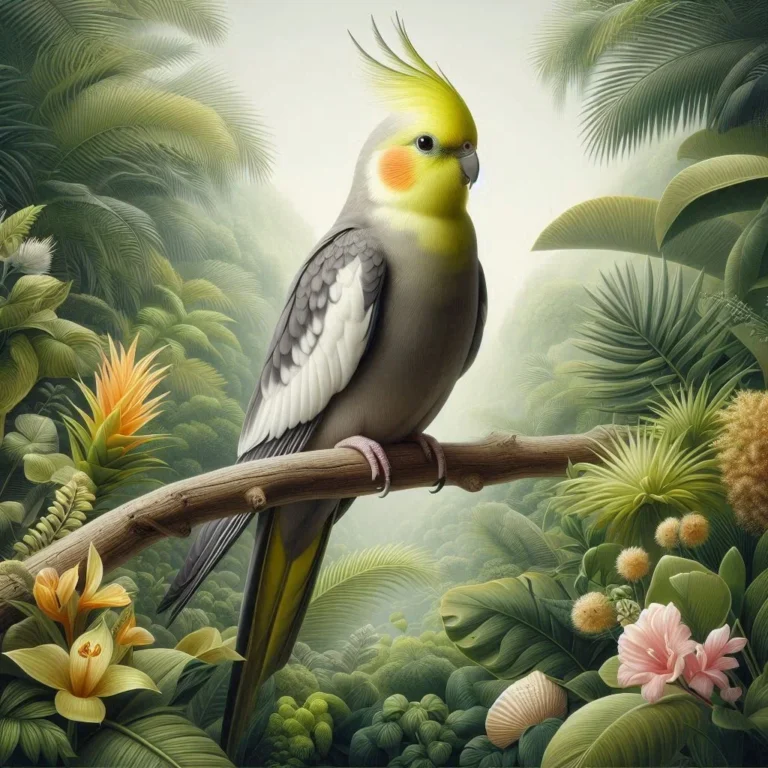
The cockatiel is a medium-sized parrot known for its affectionate nature and distinctive crest. They are excellent for beginners because they adapt well to indoor living and can be trained to talk or perform simple tricks. Cockatiels require a diet rich in fresh greens, seeds, and occasional protein sources like boiled eggs.
Key care points include:
- Enrichment: Provide perches of varying textures and puzzle toys to stimulate mental activity.
- Health Monitoring: Watch for signs of feather plucking or respiratory distress, which can indicate stress or illness.
- Social Interaction: Spend at least 15–20 minutes daily engaging with your cockatiel to strengthen the bond.
- Grooming: Trim nails regularly and offer a shallow dish of water for bathing.
Learn more about cockatiel care on the Avian Health Organization website.
3. African Grey Parrot
While African Grey parrots are often considered more advanced due to their intelligence, they can still be suitable for beginners who are committed to learning. These birds are renowned for their exceptional mimicry and problem-solving abilities. They thrive on a varied diet that includes fresh fruits, vegetables, nuts, and high-quality pellets.
Important considerations for first-time owners:
- Time Commitment: African Greys require at least 4–6 hours of interaction daily to prevent boredom.
- Training: Consistent, patient training using positive reinforcement is essential.
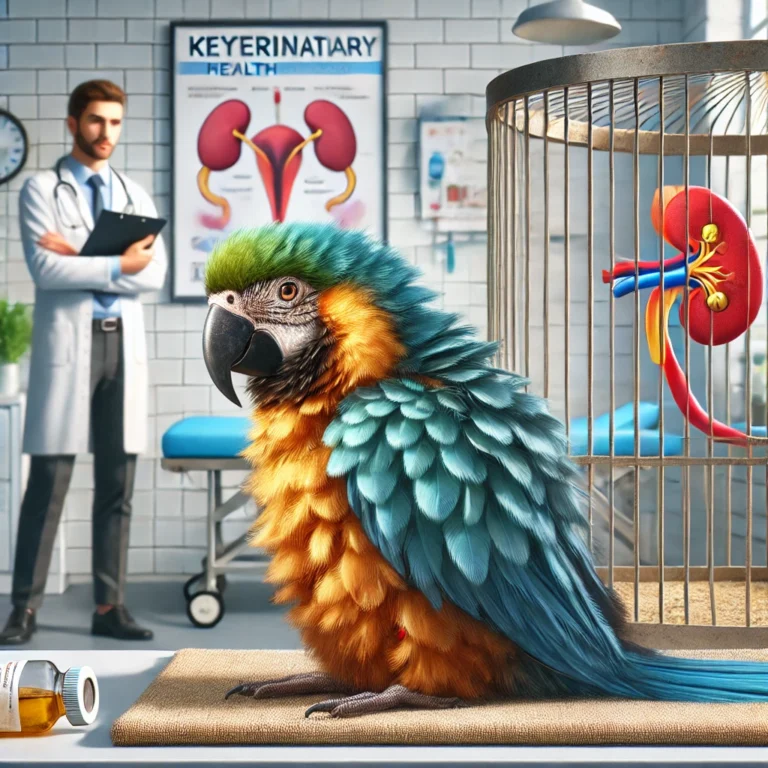
- Health Care: Regular veterinary check-ups are crucial to monitor for common issues like feather loss or respiratory infections.
- Social Needs: They thrive in a quiet, stable environment and benefit from companionship.
For comprehensive care guidelines, refer to the Parrot Foundation and the African Grey Wikipedia page.
4. Lovebirds
Lovebirds are small, affectionate parrots that are often described as “the ultimate cuddle buddies.” Their playful nature and strong bond with their owners make them a favorite among beginners. Lovebirds are relatively easy to care for, provided they receive adequate mental stimulation and a balanced diet.
Care tips include:
- Diet: Offer a mix of seeds, fresh greens, and occasional fruit.
- Enrichment: Rotate toys and provide a variety of perches.
- Social Interaction: Spend time daily talking or singing to your lovebird.
- Health Checks: Monitor for signs of feather loss or droppings that indicate digestive issues.
Additional resources can be found on the Avian Health Organization and the Lovebird Wikipedia page.
5. Canary
Canaries are a classic choice for beginners who prefer a quieter, singing companion. These small songbirds are known for their melodic chirps and minimal grooming needs. They thrive on a diet of high-quality seed mixes and fresh greens.
Key points for care:
- Space: A cage of at least 20 inches in width is recommended.
- Social Needs: Canaries are solitary by nature but enjoy a calm, consistent environment.
- Health: Regular cage cleaning and fresh water help prevent respiratory infections.
- Enrichment: Provide a perch and a small mirror to stimulate natural behaviors.
For more information, visit the Cornell Lab of Ornithology and the Canary Wikipedia page.
Conclusion: Choosing Your Feathered Friend
When selecting the Best Pet Birds for beginners, consider your living space, time availability, and willingness to invest in a bird’s long-term health. Budgerigars, cockatiels, African Greys, lovebirds, and canaries each offer unique benefits and challenges. By providing a balanced diet, regular social interaction, and a clean environment, you’ll create a thriving home for your new companion.
Ready to bring home a feathered friend? Contact your local avian specialist or reputable breeder today to find the perfect bird that matches your lifestyle and commitment level.
Frequently Asked Questions
Q1. What makes a bird suitable for a beginner?
Beginners should look for species that are easy to care for, have a calm temperament, and can thrive in a typical home environment. Small parrots like budgies and cockatiels are popular because they are inexpensive, social, and can be trained with minimal effort. They also have shorter lifespans compared to larger parrots, which can be less intimidating for first‑time owners.
Q2. How much space does a beginner bird need?
Space requirements vary by species, but a general rule is a cage that is at least 18 inches wide, 18 inches deep, and 18 inches tall for budgies. Cockatiels need a slightly larger cage, around 20×20×20 inches. Always provide extra space for perches, toys, and the bird’s ability to stretch its wings.
Q3. What diet should a beginner bird have?
A balanced diet includes a mix of high‑quality pellets, fresh vegetables, and occasional fruit. Seeds can be offered as treats but should not make up the bulk of the diet. Fresh water must be available at all times, and you should replace it daily to prevent bacterial growth.
Q4. How often should I interact with my bird?
Most beginner birds benefit from at least 15–20 minutes of daily interaction, such as talking, singing, or gentle handling. Budgies and cockatiels thrive on social contact, while larger parrots may require several hours of engagement to stay mentally stimulated. Consistency helps build trust and reduces stress.
Q5. What are common health issues to watch for?
Common problems include respiratory infections, feather plucking, and digestive upset. Regular cage cleaning, fresh water, and a varied diet help prevent these issues. If you notice changes in behavior, appetite, or droppings, consult a veterinarian experienced with birds.