Best Indoor Pet Birds Guide
Finding the Best Indoor Pet Birds for your home can feel overwhelming, especially when you consider factors like space, noise level, and lifespan. Whether you live in a bustling city loft or a quiet suburban apartment, the right feathered companion can add color, song, and even conversation to your daily routine. In this guide we’ll walk you through how to select a bird that fits your lifestyle, rank the top indoor species, and share essential indoor bird care tips that keep your pet healthy and happy. By the end you’ll know which low‑maintenance pet birds thrive best inside, how to create a bird‑friendly environment, and what common pitfalls to avoid.
How to Choose the Right Indoor Bird
Start by evaluating three core needs: space, noise tolerance, and interaction level. Small apartments often benefit from compact birds like budgerigars or lovebirds, which require less cage space and produce moderate sound. If you crave a talking pet bird, an African Grey Parrot offers impressive vocal abilities but needs a larger enclosure and more daily stimulation. Consider your daily schedule, too—birds are social creatures that thrive on regular interaction. A realistic commitment of at least one hour of direct engagement, plus routine cleaning, will ensure a healthy partnership. Finally, check local regulations; some municipalities have restrictions on exotic species, and the U.S. Fish and Wildlife Service provides guidance on legal ownership.
Top Ranked Indoor Pet Birds
Based on temperament, ease of care, and suitability for indoor living, we’ve narrowed the field to four standout species. Each bird below balances intelligence with manageability, making them favorites among both beginners and seasoned avian enthusiasts.
Budgerigar (Budgie)
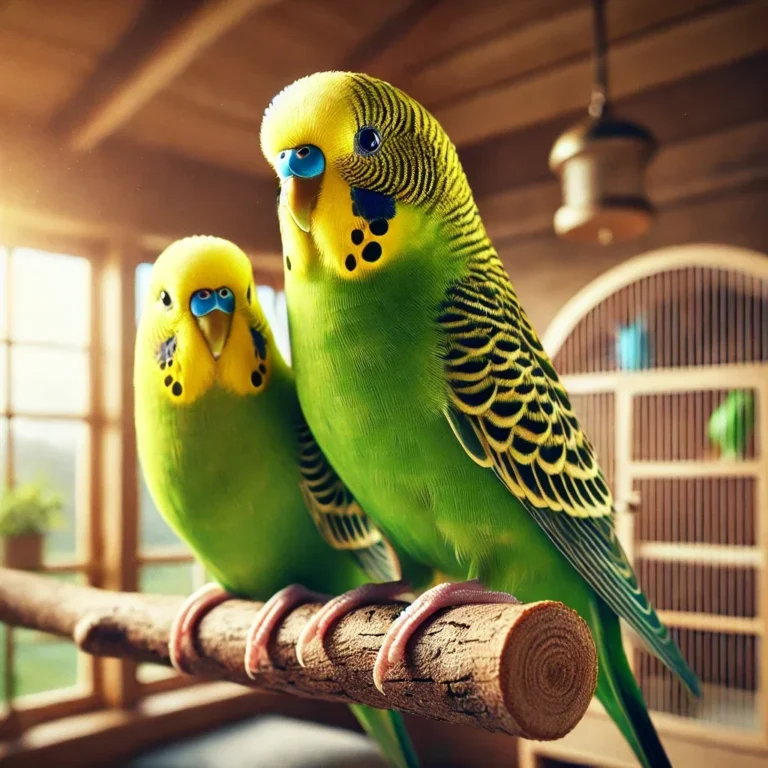
The budgerigar, often called the budgie, is a small (Parakeet) bird native to Australia. Budgies are renowned for their cheerful chirps, playful antics, and ability to mimic simple words, earning them a spot among top talking pet birds. Their compact size (10‑12 cm) makes them ideal for small apartment birds, and they thrive on a diet of seeds, fresh vegetables, and occasional fruit. For detailed care guidelines, visit the Budgerigar Wikipedia page.
- Pros: Low cost, easy to train, minimal noise.
- Cons: Shorter lifespan (5‑8 years) compared to larger parrots.
Cockatiel
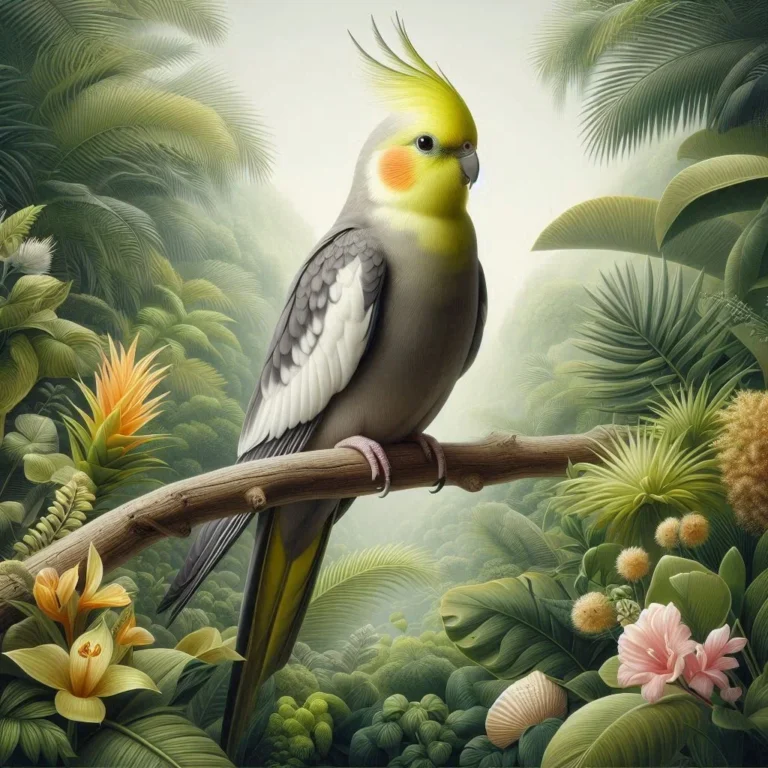
Cockatiels are affectionate, medium‑sized birds (30‑35 cm) that love head scratches and whistling tunes. Their gentle nature and tolerable noise level make them a perfect match for families and individuals seeking a sociable companion without the intensity of a macaw. Cockatiels enjoy a varied diet of pellets, nuts, and fresh greens. Learn more about their natural history on the Cockatiel Wikipedia entry.
- Pros: Easy to handle, good for beginners, can learn simple tricks.
- Cons: May develop feather‑plucking if bored.
African Grey Parrot
Renowned for its exceptional intelligence, the African Grey Parrot is a top choice for owners who want a true conversational partner. These birds can develop vocabularies of several hundred words and understand context, placing them among the most advanced talking pet birds. However, they require a spacious cage (minimum 36″ x 24″ x 24″), daily mental enrichment, and a diet rich in nuts, fruits, and specially formulated pellets. For scientific background, see the African Grey Parrot page.
- Pros: Highly intelligent, strong bond with owners.
- Cons: High noise level, long lifespan (40‑60 years) demands long‑term commitment.
Lovebird
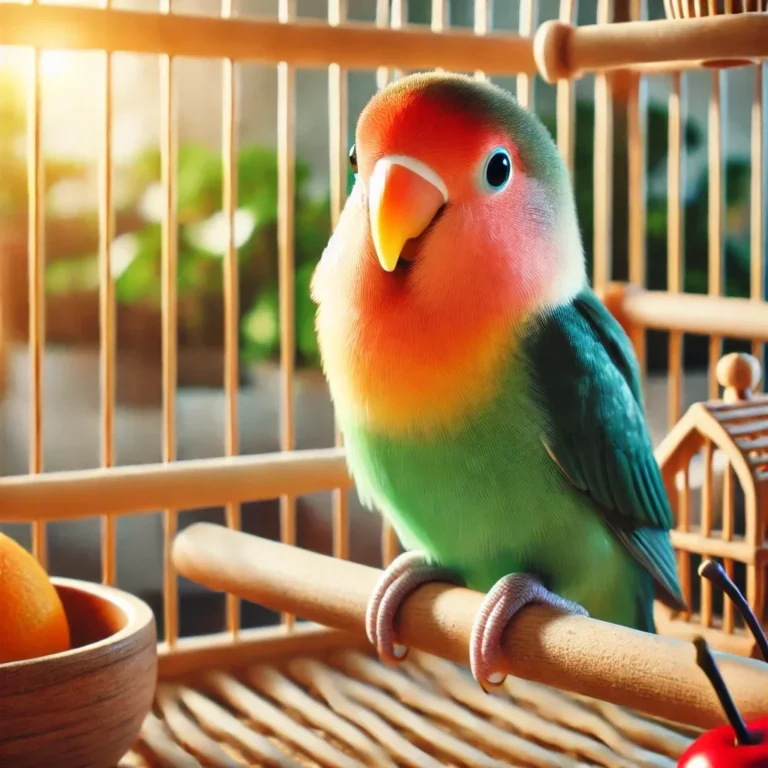
Despite its name, the lovebird is not always clingy but it does thrive on social interaction, making it a delightful addition to a bird‑friendly environment. These compact parrots (13‑18 cm) sport vibrant plumage and enjoy toys that encourage chewing. They are well‑suited for indoor habitats as long as they receive daily out‑of‑cage time. Detailed species information is available at the Lovebird Wikipedia article.
- Pros: Bright colors, moderate noise, good for couples.
- Cons: Can become territorial with other birds.
Essential Care Tips for Indoor Birds
Providing proper indoor bird care extends beyond feeding. First, select a cage with ample horizontal space; birds need to stretch their wings fully to prevent muscle atrophy. Second, maintain a stable temperature between 65°F‑80°F and avoid direct drafts. Third, offer a daily diet that balances high‑quality pellets with fresh produce—consult the Cornell Lab of Ornithology for nutrition charts. Fourth, ensure mental stimulation with foraging toys, mirrors, and safe chew items. Finally, schedule regular vet check‑ups with an avian specialist, as early detection of common ailments like psittacine beak and feather disease can save lives.
Common Mistakes to Avoid
Even well‑meaning owners stumble over a few recurring errors. One is confining the bird to a cage 24/7; birds need time outside to exercise and explore. Another is over‑feeding seed mixes, which are high in fat and can cause obesity. Ignoring noise complaints, especially with larger parrots, can strain relationships with neighbors. Lastly, neglecting social interaction—birds left alone for long periods often develop feather‑plucking or aggression. By recognizing these pitfalls early, you’ll foster a healthier, happier feathered family member.
Ready to welcome a feathered friend into your home? Explore our detailed species profiles, set up a safe indoor habitat, and enjoy the rewarding experience of caring for the best indoor pet birds today. Your next conversation starter could be just a wing‑beat away!
Frequently Asked Questions
Q1. What are the most suitable indoor pet birds for small apartments?
Small spaces are best suited for compact species like budgerigars, lovebirds, and cockatiels. These birds require modest cage dimensions and produce moderate noise levels, making them apartment‑friendly. They also adapt well to limited out‑of‑cage time as long as they receive daily interaction.
Q2. How much time should I spend with my indoor bird each day?
Birds thrive on social interaction; aim for at least one hour of direct engagement daily. Short, frequent sessions for feeding, training, and play are ideal. Consistency helps prevent boredom‑related behaviors such as feather‑plucking.
Q3. What size cage is appropriate for a budgerigar or lovebird?
A budgerigar or lovebird needs a cage that allows full wing extension, typically a minimum of 18×18×24 inches (L×W×H). Provide horizontal space for climbing and multiple perches. Larger cages are always better if you have the room.
Q4. Can indoor birds be trained to talk or perform tricks?
Yes, many indoor species, especially budgies and African Grey parrots, can learn words and simple tricks through positive reinforcement. Start with short training sessions using treats and repeat consistently. Patience and regular practice are key to success.
Q5. How do I keep my indoor bird healthy and prevent common illnesses?
Maintain a balanced diet of high‑quality pellets, fresh fruits, and vegetables, and limit seed overload. Keep the cage clean, provide fresh water daily, and ensure proper humidity and temperature. Schedule annual check‑ups with an avian veterinarian to catch issues early.