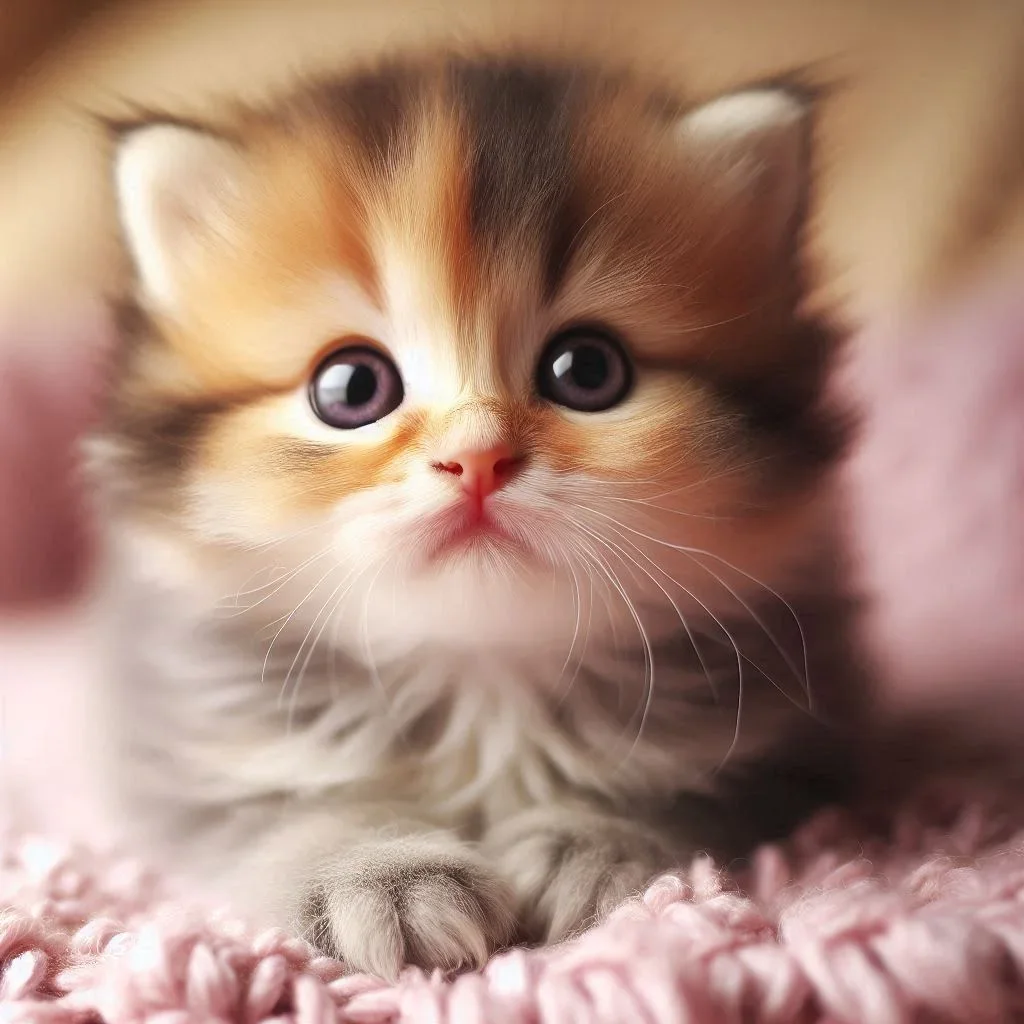
Best Indoor Cats Small Homes
Choosing the right feline companion for a compact living space can feel like a balancing act. You want a cat that thrives indoors, adapts to limited room, and brings joy without demanding excessive attention or grooming. In this guide, we’ll explore the Best Indoor Cats for small homes, focusing on temperament, activity level, and maintenance. By the end, you’ll have a clear picture of which breeds fit your lifestyle and how to welcome a new friend into your cozy apartment.
Consider Space and Activity Levels
When living in a small home, the cat’s environment is a key factor. Cats that are highly active or require large play areas may become restless or destructive. Look for breeds that are content with moderate play sessions and can entertain themselves with simple toys or vertical spaces. A good rule of thumb: choose a cat that enjoys a mix of independent exploration and short, engaging play bursts.
Top 5 Indoor Cats for Small Homes
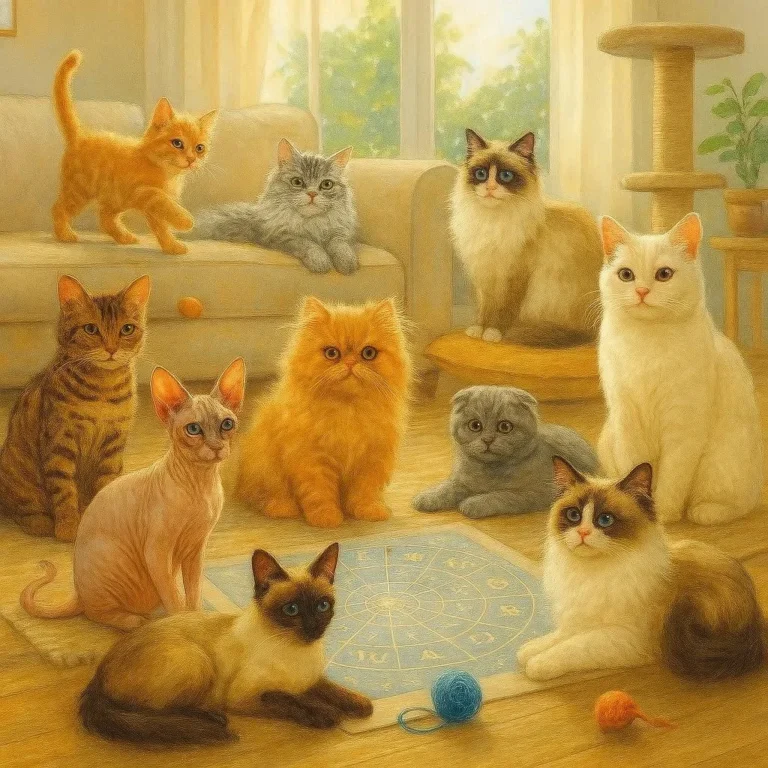
Below is a curated list of five breeds that consistently rank high for indoor living in limited spaces. Each entry includes temperament notes, grooming needs, and why they’re a great fit for apartments.
- Siamese – Known for their vocal nature and social intelligence, Siamese cats thrive on interaction. They are playful but not overly demanding, making them ideal for owners who enjoy conversation with their pet. Siamese Cat
- British Shorthair – This breed offers a calm, affectionate demeanor. Their moderate energy levels mean they’re happy with short play sessions and plenty of lounging. British Shorthair
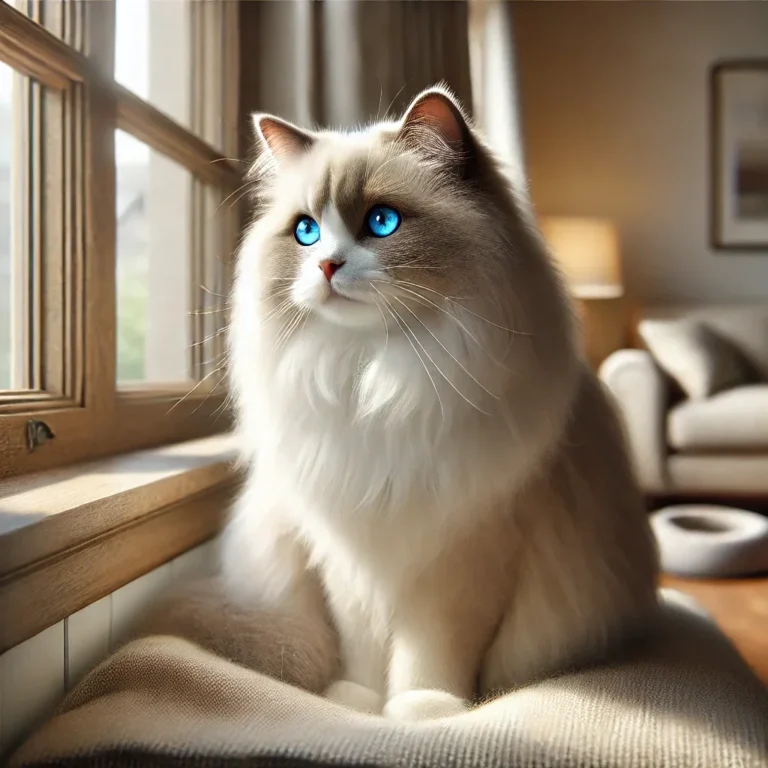
- Ragdoll – Ragdolls are famously docile and enjoy being held. They adapt well to indoor life and are less likely to scratch furniture due to their relaxed nature. Ragdoll Cat
- Sphynx – If you’re looking for a low-maintenance grooming experience, the hairless Sphynx is a standout. Their playful personality and minimal shedding make them a practical choice for small spaces. Sphynx Cat
- Maine Coon (Miniature) – While the full-sized Maine Coon can be large, the miniature variant offers the same friendly temperament in a more compact form. They’re gentle, social, and enjoy interactive play without needing vast territory. Maine Coon Cat
Low-Maintenance Grooming
Grooming can be a significant time commitment, especially for long-haired breeds. For small homes, consider cats that require minimal brushing or shedding. The Sphynx, for example, needs only a quick wipe-down each day to remove oils. British Shorthairs and Ragdolls have short coats that are easy to manage with weekly brushing. If you prefer a longer coat, the Siamese’s sleek fur stays manageable with regular brushing.
Health and Longevity
Choosing a healthy breed reduces vet visits and ensures a longer, happier life. The American Veterinary Medical Association recommends regular check-ups and vaccinations for all indoor cats. AVMA provides guidelines on preventive care. Additionally, Cornell University’s College of Veterinary Medicine offers resources on breed-specific health concerns. Cornell Vet emphasizes the importance of diet, exercise, and mental stimulation for indoor cats.
Common health issues in indoor cats include obesity, dental disease, and urinary tract problems. Maintaining a balanced diet, providing fresh water, and encouraging play can mitigate these risks. For more detailed information on feline nutrition, consult PetMD Cat Nutrition.
Choosing the Right Cat for Your Lifestyle
Beyond breed characteristics, consider your own routine. If you work long hours, a cat that can entertain itself is preferable. If you enjoy interactive play, a Siamese or Ragdoll may suit you. Also, think about any allergies—hypoallergenic breeds like the Sphynx or certain Siamese varieties can reduce dander.
When adopting, visit reputable shelters or breeders that prioritize health screenings. Many shelters now offer “cat matching” services that pair you with a cat whose temperament aligns with your living situation. Remember, a well-socialized cat will adapt more quickly to a small home environment.
Conclusion: Find Your Perfect Indoor Companion
In summary, the Best Indoor Cats for small homes are those that balance affection, manageable grooming, and moderate activity. Whether you choose the vocal Siamese, the laid-back British Shorthair, or the low-shedding Sphynx, each breed offers unique benefits that fit apartment living. By selecting a cat that aligns with your space and lifestyle, you’ll create a harmonious home for both you and your feline friend.
Ready to welcome a new cat into your small home? Explore reputable shelters, research breed traits, and prepare a welcoming environment. Your perfect indoor companion is just a decision away—start your journey today!
Frequently Asked Questions
Q1. What are the best indoor cats for small homes?
These breeds are known for their calm temperament, moderate activity levels, and low grooming needs, making them ideal for limited space. The Siamese, British Shorthair, Ragdoll, Sphynx, and Miniature Maine Coon each offer a balance of affection and independence. They thrive on short play sessions and can entertain themselves with vertical spaces or simple toys.
Q2. How much grooming does a Sphynx cat require?
A Sphynx needs only a quick wipe‑down each day to remove natural oils, and weekly brushing is sufficient. Their hairless coat eliminates shedding, making them a low‑maintenance choice for apartment dwellers. Regular skin checks are recommended to prevent irritation.
Q3. Are Siamese cats good for people who work long hours?
Yes, Siamese cats are social but can also entertain themselves with interactive toys. They enjoy short, engaging play bursts and can adapt to quieter periods, making them suitable for owners who are away during the day.
Q4. What health issues should I watch for in indoor cats?
Common concerns include obesity, dental disease, and urinary tract problems. A balanced diet, fresh water, and regular play help mitigate these risks. Routine vet check‑ups and vaccinations are essential for long‑term health.
Q5. How can I introduce a new cat to my small apartment?
Start by setting up a dedicated space with a litter box, food, water, and a cozy bed. Gradually allow the cat to explore, using positive reinforcement. Providing vertical spaces and interactive toys helps reduce stress and encourages healthy behavior.