Best Indoor Cats for Small
Choosing the right feline companion for a compact living space can feel like a daunting task, especially when you want a cat that thrives indoors, adapts to limited room, and brings joy without demanding excessive attention. The term Best Indoor Cats is often tossed around, but not all breeds or mixes fit the unique needs of small homes. In this guide, we’ll explore the top indoor cats that excel in apartment settings, focusing on temperament, grooming, activity level, and overall compatibility with tight spaces. By the end, you’ll have a clear picture of which breeds are truly the best indoor cats for small homes.
Best Indoor Cats: The Persian
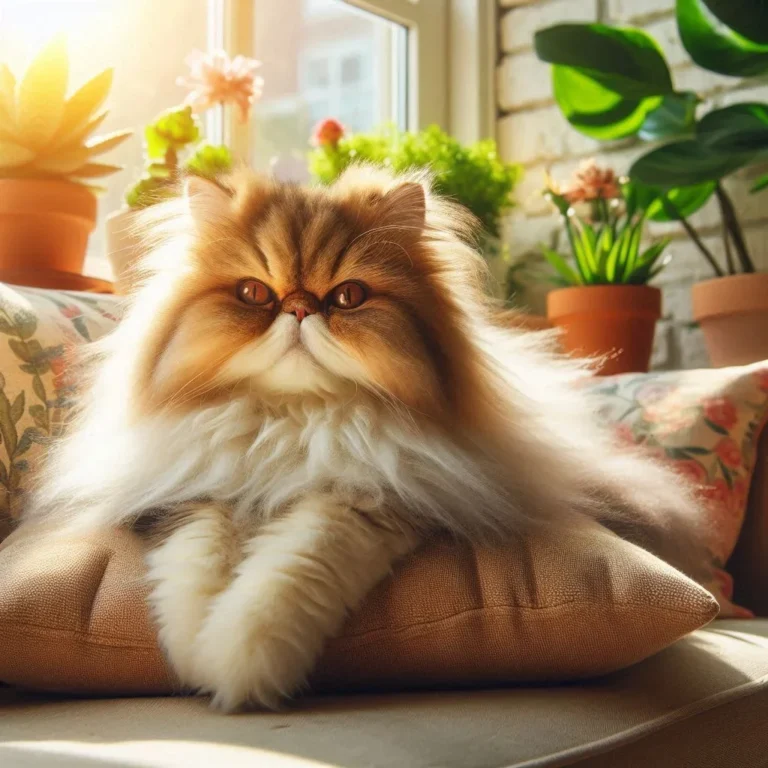
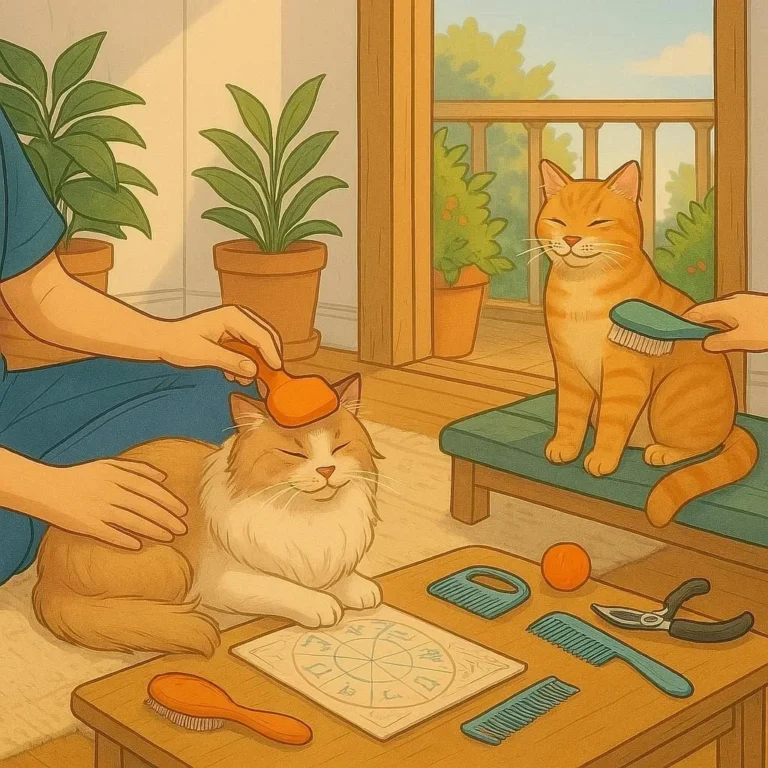
Persians are renowned for their luxurious coats and calm demeanor, making them a classic choice for indoor living. Their low energy levels mean they’re content lounging on a windowsill or a cozy rug, which is ideal for apartments where space is at a premium. While their long fur requires regular brushing—about 10–15 minutes a day—this grooming routine can become a bonding ritual rather than a chore. According to the American Association of Feline Practitioners, Persian cats have a lifespan of 12–17 years, and with proper care, they can remain healthy and affectionate throughout.
- Temperament: Gentle, affectionate, and low‑energy.
- Grooming: Daily brushing to prevent matting.
- Health: Prone to respiratory issues; keep the environment dust‑free.
- Space Needs: Minimal; thrives in small rooms.
Because Persians are less likely to chase toys or climb furniture, they’re less likely to damage small apartments. Their preference for quiet, stable environments means they’ll settle into a routine quickly, making them a reliable companion for busy city dwellers.
Best Indoor Cats: The British Shorthair
The British Shorthair is a sturdy, medium‑sized cat that balances a robust build with a laid‑back personality. Their short, dense coat requires minimal grooming—just a weekly brush—and they’re known for their calm, independent nature. This breed’s moderate activity level means they enjoy short bursts of play, which can be satisfied with a simple wand toy or a laser pointer. The British Shorthair’s affectionate yet self‑sufficient attitude makes them a perfect fit for small homes where owners may not be home all day.
Research from Cornell University’s College of Veterinary Medicine indicates that British Shorthairs have a healthy lifespan of 15–20 years, and they’re generally resistant to common feline ailments. Their sturdy frame also means they’re less likely to suffer from joint issues, a common concern for older cats in confined spaces.
Best Indoor Cats: The Exotic Shorthair
Often described as the “tiger’s cousin,” the Exotic Shorthair shares many traits with the Persian but with a shorter, more manageable coat. This breed’s affectionate nature and moderate energy make them ideal for small apartments. They enjoy interactive play but are equally content to curl up on a lap or a soft blanket. Grooming is straightforward—weekly brushing is sufficient—and they rarely develop the respiratory problems that can affect Persian cats.
According to the National Institutes of Health, Exotic Shorthairs are generally healthy, with a lifespan of 12–15 years. Their friendly disposition and adaptability to indoor life make them a top pick for families with children or other pets.
Best Indoor Cats: The Ragdoll
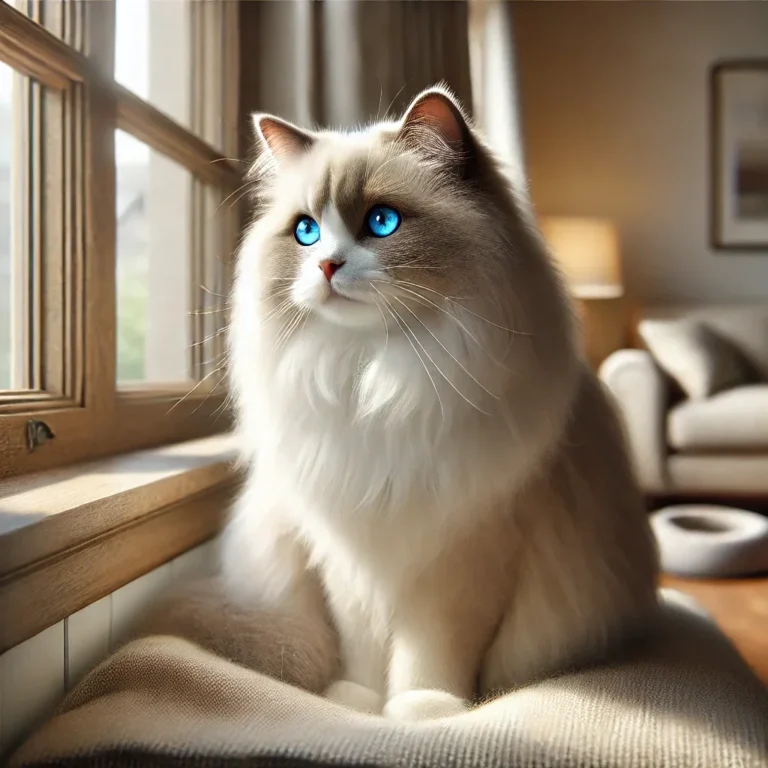
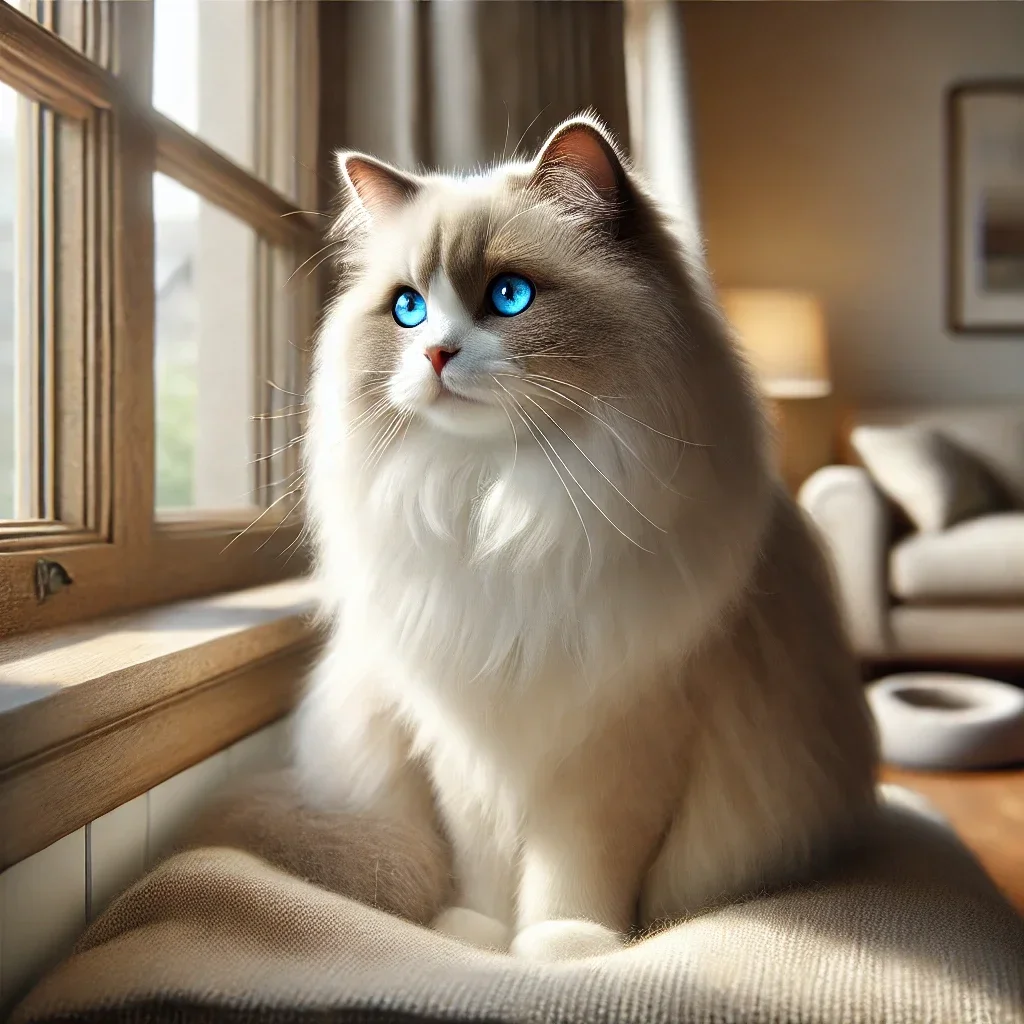
Ragdolls are known for their striking blue eyes and docile temperament. They’re called “Ragdoll” because they go limp when picked up, a sign of their relaxed nature. This breed thrives in indoor environments, as they’re not overly demanding of space or stimulation. Ragdolls enjoy gentle play and are often described as “dog‑like” in their loyalty and willingness to follow their owners around.
While Ragdolls have a longer lifespan of 12–15 years, they do require regular brushing to maintain their silky coat. Their large size—often 10–15 pounds—means they’re comfortable in small homes as long as they have a safe, enclosed space to retreat to. The Ragdoll’s calm demeanor also makes them less likely to scratch furniture, a common issue in apartments.
Key Traits to Consider When Choosing a Small‑Home Cat
When evaluating which breed is the best indoor cat for your small home, keep these factors in mind:
- Activity Level: Low‑to‑moderate energy cats are easier to manage in tight spaces.
- Grooming Needs: Short‑haired breeds or those with low shedding reduce maintenance.
- Health Considerations: Breeds with fewer genetic predispositions to respiratory or joint issues are ideal.
- Temperament: Cats that are affectionate yet independent adapt well to small living environments.
- Space Adaptability: Cats that enjoy vertical spaces or small perches can make the most of limited floor area.
By aligning these traits with your lifestyle, you can confidently select a cat that will thrive in your small home.
How to Prepare Your Small Home for a New Cat
Before bringing a new feline friend home, consider the following steps to create a cat‑friendly environment:
- Provide vertical spaces such as cat trees or wall‑mounted shelves.
- Use a litter box with a low entry for easy access.
- Keep a consistent feeding schedule to reduce anxiety.
- Introduce toys that encourage gentle play without requiring large areas.
- Ensure a quiet, safe corner where the cat can retreat.
These simple adjustments can make a significant difference in how comfortable and happy your cat feels in a small apartment.
Conclusion: Find Your Perfect Indoor Companion
Choosing the Best Indoor Cats for small homes involves balancing temperament, grooming, and health needs with the realities of limited space. Whether you opt for the serene Persian, the sturdy British Shorthair, the manageable Exotic Shorthair, or the affectionate Ragdoll, each breed offers unique benefits that can enrich your living environment. By understanding each cat’s specific requirements and preparing your home accordingly, you’ll create a harmonious space where both you and your feline friend can thrive.
Ready to welcome a new cat into your small home? Explore reputable breeders, rescue organizations, and adoption centers today to find the perfect match. Your ideal indoor cat awaits—discover the best indoor cats for small homes now!
For more information on feline health and care, visit the American Veterinary Medical Association, the Cornell University College of Veterinary Medicine, and the Wikipedia page on Persian cats. These resources provide reliable, evidence‑based guidance to help you make informed decisions about your new indoor companion.
Frequently Asked Questions
Q1. What makes a cat suitable for a small apartment?
A suitable apartment cat typically has a calm temperament, low to moderate energy levels, and minimal grooming needs. Cats that enjoy lounging and short bursts of play are easier to manage in tight spaces. They also adapt well to quiet environments and can thrive with a consistent routine.
Q2. Which breeds are best for small homes?
The Persian, British Shorthair, Exotic Shorthair, and Ragdoll are top choices for small apartments. Each breed offers a relaxed demeanor, manageable size, and grooming requirements that fit a compact living space. Their affectionate yet independent nature makes them ideal companions for busy city dwellers.
Q3. How often should I groom a Persian cat?
Persian cats need daily brushing—about 10–15 minutes—to prevent matting and keep their long coat healthy. Regular grooming also strengthens the bond between owner and pet. A weekly check for skin issues or ear infections is also recommended.
Q4. Are there any health concerns for these breeds?
Persians can be prone to respiratory problems, so keeping the environment dust‑free is essential. British Shorthairs are generally healthy but may develop joint issues later in life. Exotic Shorthairs and Ragdolls have fewer respiratory concerns, though all cats benefit from routine veterinary care.
Q5. How can I make my apartment cat-friendly?
Create vertical spaces with cat trees or wall shelves, use a low‑entry litter box, and keep a consistent feeding schedule. Provide toys that encourage gentle play without requiring large areas, and designate a quiet corner for the cat to retreat. These adjustments help your feline feel safe and comfortable.