Best Dog Breeds for Apartments
Choosing a companion that thrives in limited square footage can feel like a puzzle, but the right breed makes apartment living both joyful and stress‑free. The best dog breeds for apartments share traits such as low energy, moderate size, and a calm temperament, allowing owners to enjoy city life without sacrificing a loyal furry friend. In this guide we’ll explore why breed selection matters, highlight the most apartment‑friendly candidates, and share practical tips for a harmonious urban canine experience.
Why Breed Matters in Small Spaces
Living in an apartment imposes constraints that don’t exist in a house with a yard. Noise levels, neighbor tolerance, and limited indoor play areas shape a dog’s daily comfort. Certain breeds have evolved—or been selectively bred—to adapt to these conditions. For example, low‑energy dogs are less likely to develop “apartment anxiety” when they can’t sprint across a lawn, while quieter breeds minimize complaints from downstairs neighbors. Understanding these genetic and behavioral nuances helps you avoid costly mismatches and ensures long‑term satisfaction for both pet and owner.
Top Apartment‑Friendly Breeds
The following list compiles the most reliable apartment‑friendly dogs based on size, temperament, and exercise needs. Each breed includes a brief snapshot of why it excels in confined living environments.
- French Bulldog – Compact (under 28 lb), low‑energy, and famously quiet. Their short coat requires minimal grooming, and they love snuggling on a couch after a short stroll.
- Cavalier King Charles Spaniel – Gentle, affectionate, and adaptable. At 13–18 lb they enjoy lap time and short indoor play sessions.
- Boston Terrier – Often called the “American Gentleman,” this breed is small (12–25 lb), intelligent, and thrives on mental stimulation more than long runs.
- Greyhound – Surprisingly ideal for apartments despite their racing pedigree. They are “couch potatoes” who need a brief sprint once or twice a week and then are content to lounge.
- Shih Tzu – A classic small dog (9–16 lb) with a calm demeanor. Their low‑impact exercise needs make them perfect for indoor play.
- Dachshund – Long‑bodied but small (under 32 lb). They are curious yet can be satisfied with short walks and puzzle toys.
Each of these breeds is featured in reputable sources such as Wikipedia and the American Kennel Club, confirming their suitability for apartment life.
Lifestyle Tips for Apartment Dog Owners
Even the most suitable breed benefits from a well‑structured routine. Below are actionable strategies that keep your dog happy while respecting building rules.
- Scheduled Walks – Aim for at least two 20‑minute walks daily. Early morning and evening trips reduce heat stress and align with most building quiet hours.
- Interactive Toys – Puzzle feeders, treat‑dispensing balls, and chew toys provide mental stimulation, curbing boredom‑driven barking.
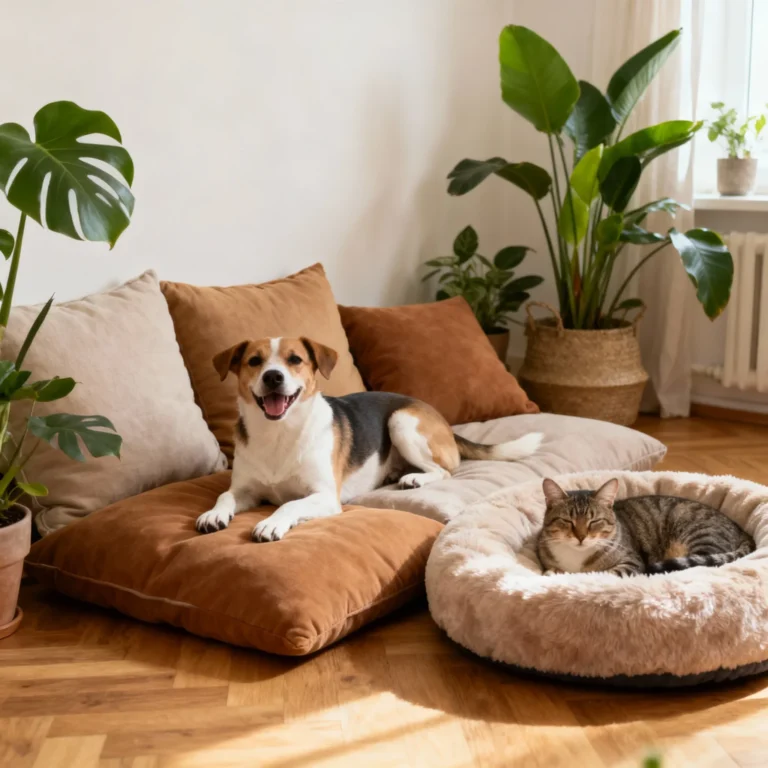
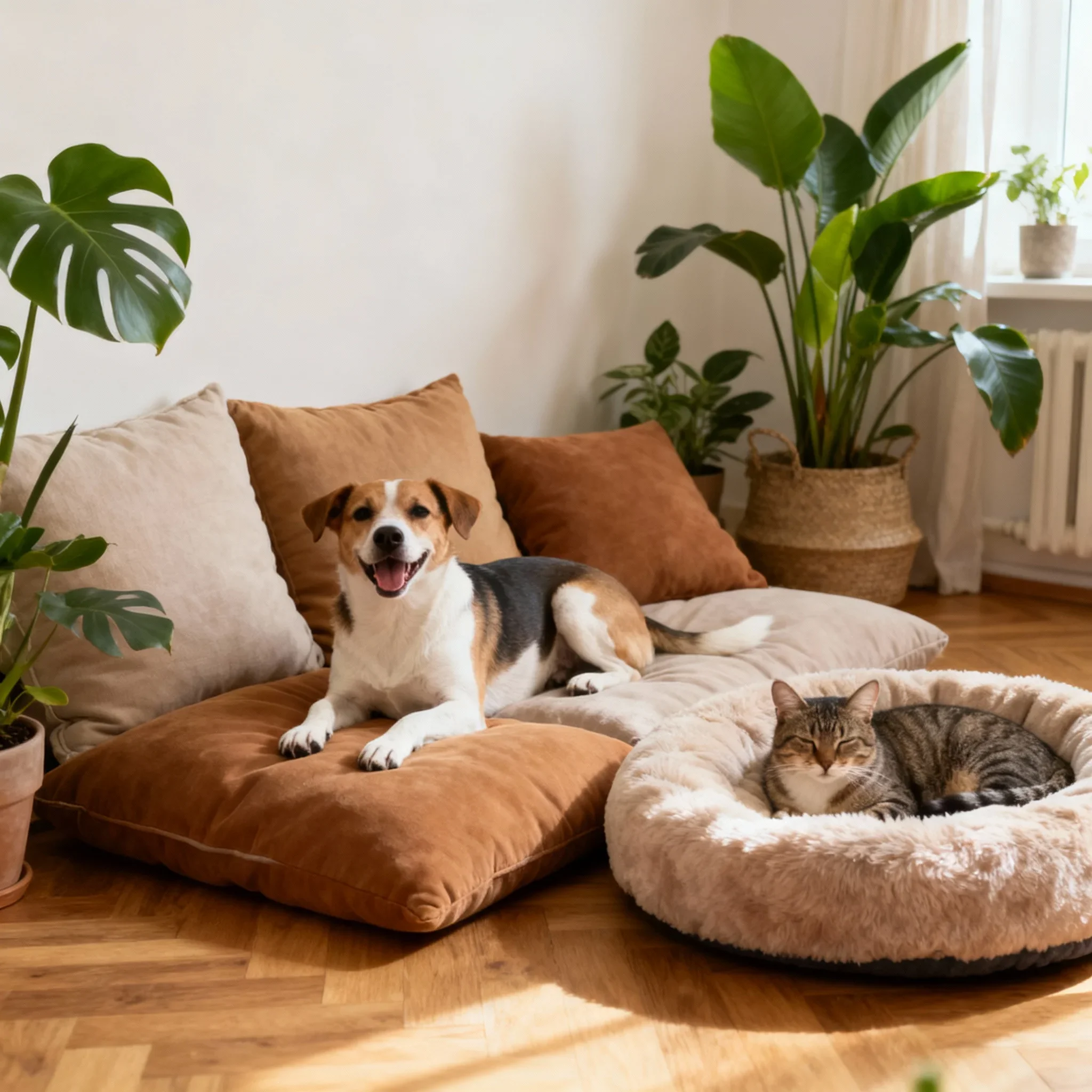
- Designated Rest Area – Provide a comfortable bed away from high‑traffic zones. A consistent spot signals “relax” time for your dog.
- Noise Management – Use white‑noise machines or soft music to mask street sounds that might trigger anxiety.
- Socialization – Routine exposure to other dogs and people in controlled settings helps your pet stay calm in shared elevators or lobby areas.
Implementing these habits reduces the risk of “apartment syndrome,” a term coined by urban veterinarians to describe stress‑related behaviors in dogs confined to small spaces.
Health and Exercise Considerations
While the breeds listed above are generally low‑maintenance, owners must still monitor health markers common to city‑dwelling pets. Air quality, for instance, can affect brachycephalic breeds like French Bulldogs and Boston Terriers. According to the Centers for Disease Control and Prevention, regular veterinary check‑ups and weight management are essential to prevent respiratory and joint issues.
Exercise doesn’t always mean marathon‑length runs. Short, high‑intensity play sessions—fetch in a hallway, agility cones in a living room, or a quick jog on a nearby park trail—provide sufficient stamina burn for low‑energy dogs. For breeds like Greyhounds, a weekly trip to a dog‑run where they can sprint safely satisfies their sprinting instinct without compromising apartment etiquette.
Nutrition also plays a pivotal role. Smaller, less active dogs often thrive on calorie‑controlled, high‑protein diets. Consult a veterinarian to tailor portions based on age, weight, and activity level, ensuring your apartment dog maintains a healthy body condition score.
Choosing the Right Breed for Your Lifestyle
Before committing, assess your own schedule, budget, and tolerance for grooming or potential health expenses. If you work long hours, a low‑maintenance coat and independent temperament—like that of a Shih Tzu—may be ideal. Conversely, if you enjoy frequent short outings and can provide mental challenges, a Boston Terrier’s eagerness to learn will keep you both engaged.
Remember, the best dog breeds for apartments are not a one‑size‑fits‑all solution. Matching a breed’s needs with your living conditions, activity level, and personal preferences creates the foundation for a rewarding partnership.
Frequently Asked Questions
Q1. What size dog is best for a small apartment?
Generally, dogs under 30 lb are ideal because they need less floor space and are easier to maneuver through tight hallways. Smaller breeds also tend to have lower exercise requirements, making them comfortable in limited indoor areas. Choosing a compact, low‑energy breed helps keep living quarters uncluttered and stress‑free.
Q2. Do apartment dogs need daily walks?
Yes, even low‑energy breeds benefit from at least two short walks each day to relieve pent‑up energy and prevent boredom‑related behaviors. A 20‑minute stroll in the morning and evening provides mental stimulation and helps maintain a healthy weight. Consistent walks also give dogs the chance to socialize and scent‑explore, which is vital for their well‑being.
Q3. How can I prevent my apartment dog from barking excessively?
Provide plenty of mental enrichment such as puzzle toys, training sessions, and interactive games to keep your dog occupied. Establish a quiet, comfortable resting spot away from street noise, and consider white‑noise machines to mask external sounds. Gradual desensitization to triggers and positive reinforcement for calm behavior reduce unnecessary barking.
Q4. Are brachycephalic breeds safe for city living?
Brachycephalic dogs like French Bulldogs and Boston Terriers can thrive in apartments if you monitor temperature and avoid excessive heat, as they’re prone to breathing issues. Keep indoor air quality good, limit strenuous exercise in hot weather, and schedule regular veterinary check‑ups. With proper care, they enjoy the cozy environment of city dwellings.
Q5. Can I adopt a senior dog for apartment life?
Senior dogs often make excellent apartment companions because they are usually calm, lower‑energy, and already house‑trained. Their health needs may include gentle exercise and routine vet visits, but they typically adapt well to smaller spaces. Adopting an older dog gives them a comfortable home while providing you with a loyal, laid‑back friend.