Best Companion Bird Species for Quiet Homes
If you’re looking for a feathered friend to share your quiet home, choosing the right bird species is crucial. While many birds are known for their vibrant songs and loud calls, some species are naturally quieter, making them perfect companions for apartments, condos, or noise-sensitive neighborhoods. In this guide, we’ll explore the best companion bird species for quiet homes, highlighting their characteristics, care requirements, and why they’re ideal for serene living environments.
Understanding the Need for Quiet Birds in Home Environments
Not all bird species are suited for quiet homes. Birds like parrots and cockatoos are known for their loud vocalizations, which can be disruptive in noise-restricted areas. However, there are several bird species that are naturally quieter or have softer vocalizations, making them perfect for apartment dwellers or those who prefer a peaceful home environment.
Before we dive into the best companion bird species for quiet homes, let’s consider what makes a bird a good fit for a low-noise lifestyle:
- Noise Level: Birds that vocalize softly or infrequently are ideal for quiet homes.
- Temperament: Birds with calm and gentle personalities are less likely to squawk or scream.
- Size: Smaller birds generally produce less noise than larger species.
- Social Needs: Some birds require constant interaction, which can lead to excessive vocalization if neglected.
With these factors in mind, let’s explore the top bird species for quiet homes.
Top Companion Bird Species for Quiet Homes
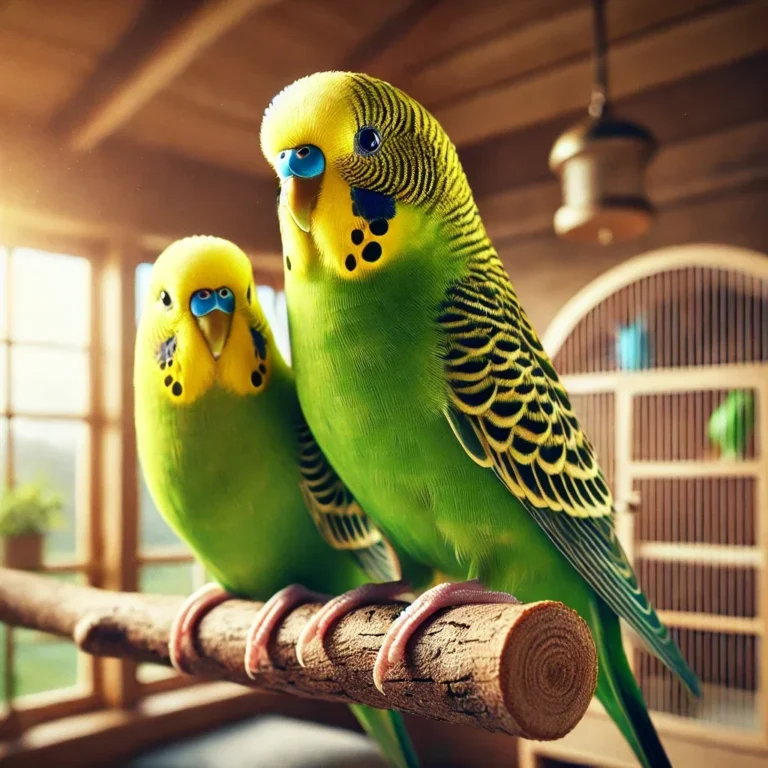
1. Budgies (Parakeets)
- Noise Level: Budgies are relatively quiet compared to larger parrots. They do chirp and whistle, but their vocalizations are soft and infrequent.
- Size: Small and compact, budgies are perfect for small living spaces.
- Temperament: Friendly and affectionate, budgies can form strong bonds with their owners.
- Care Requirements: Budgies are low-maintenance pets that thrive in pairs. They require a spacious cage, a balanced diet, and regular social interaction.
- Why They’re Ideal: Budgies are excellent for first-time bird owners and those living in quiet homes. Their gentle nature and soft vocalizations make them a great choice for apartment living.
For more information on budgies, visit the Wikipedia page on budgies.
2. Canaries
- Noise Level: Canaries are known for their beautiful songs, but they are relatively quiet compared to larger birds. They sing primarily during breeding season and are generally calm the rest of the year.
- Size: Canaries are small birds, making them a great choice for small homes.
- Temperament: Canaries are independent birds that don’t require constant attention. They are calm and peaceful, making them ideal for quiet homes.
- Care Requirements: Canaries are low-maintenance pets that prefer a solitary life. They require a spacious cage, a balanced diet, and regular cleaning of their living environment.
- Why They’re Ideal: Canaries are perfect for those who want a beautiful singing bird without the loud vocalizations. Their calm nature and low-maintenance care make them a great choice for quiet homes.
For more information on canaries, visit the Wikipedia page on canaries.
3. Cockatiels
- Noise Level: Cockatiels are known for their soft vocalizations and gentle whistles. They do have the ability to mimic human speech, but they are generally quieter than other parrots.
- Size: Cockatiels are medium-sized birds, but they are still compact enough for small living spaces.
- Temperament: Cockatiels are friendly, affectionate, and social birds. They thrive on interaction and can form strong bonds with their owners.
- Care Requirements: Cockatiels require a spacious cage, a balanced diet, and regular social interaction. They also enjoy bathing and need access to water for bathing.
- Why They’re Ideal: Cockatiels are excellent companions for those who want a social bird without the loud noise. Their gentle nature and soft vocalizations make them a great choice for quiet homes.
For more information on cockatiels, visit the Wikipedia page on cockatiels.
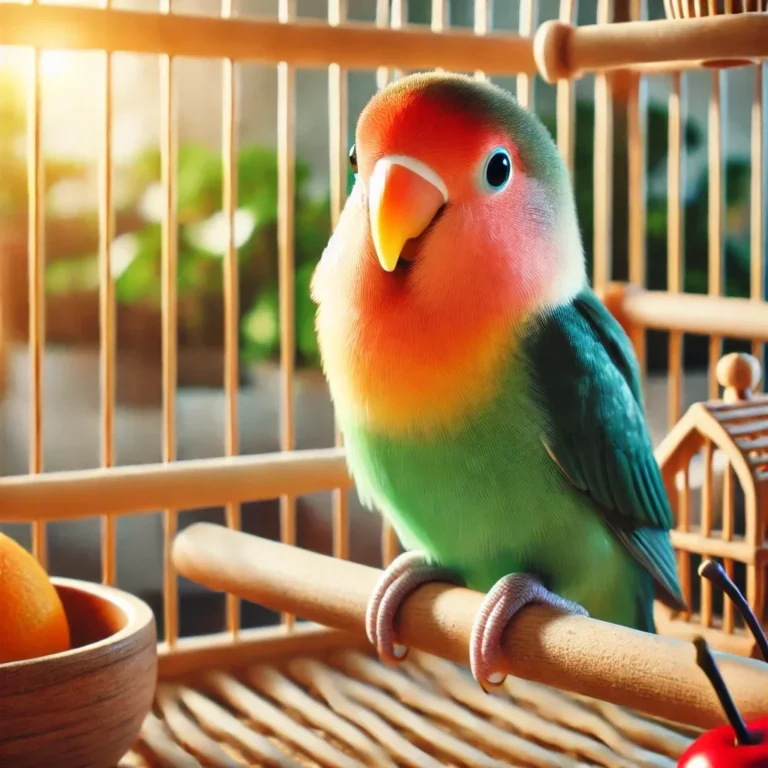
4. Lovebirds
- Noise Level: Lovebirds are relatively quiet birds, but they do make some noise when they feel threatened or when they’re trying to communicate with their mate.
- Size: Lovebirds are small, colorful birds that are perfect for small living spaces.
- Temperament: Lovebirds are social birds that thrive on attention and interaction. They can be quite vocal if they feel neglected, but they are generally quiet when well-cared-for.
- Care Requirements: Lovebirds require a spacious cage, a balanced diet, and regular social interaction. They also need plenty of toys to keep them entertained.
- Why They’re Ideal: Lovebirds are perfect for those who want a social, interactive bird without the loud noise. Their colorful appearance and gentle nature make them a great choice for quiet homes.
For more information on lovebirds, visit the Wikipedia page on lovebirds.
5. Finches
- Noise Level: Finches are relatively quiet birds, with soft chirps and tweets that are not disruptive.
- Size: Finches are small birds, making them a great choice for small homes.
- Temperament: Finches are social birds that prefer to live in pairs or groups. They are generally calm and peaceful, making them ideal for quiet homes.
- Care Requirements: Finches require a spacious cage, a balanced diet, and regular cleaning of their living environment. They also need plenty of perches and toys to keep them entertained.
- Why They’re Ideal: Finches are perfect for those who want a low-maintenance, quiet bird. Their calm nature and soft vocalizations make them a great choice for quiet homes.
For more information on finches, visit the Wikipedia page on finches.
What to Consider Before Bringing a Bird Home
Before deciding which bird species to bring home, there are several factors to consider to ensure that both you and your feathered friend have a happy and healthy relationship.
1. Space and Housing
- Cage Size: Different bird species require different sizes of cages. Larger birds need more space to move around, while smaller birds can thrive in smaller cages.
- Location: Place the bird’s cage in a quiet, draft-free area of your home. Avoid placing the cage near windows or doors where it may be exposed to loud noises or fluctuations in temperature.
2. Diet and Nutrition
- Balanced Diet: Provide your bird with a balanced diet that includes a variety of seeds, fruits, vegetables, and pellets specifically formulated for birds.
- Avoid Overfeeding: Overfeeding can lead to obesity and health problems in birds. Consult with a veterinarian to determine the right amount of food for your bird.
3. Social Needs
- Social Interaction: Many bird species are social and require regular interaction to stay happy and healthy. Spend time with your bird daily, and consider getting a pair if you’re away from home for long periods.
- Training: Train your bird to behave well and interact positively with its environment. This includes teaching your bird to stay calm and quiet during certain times of the day.
4. Noise Considerations
- Neighbors: If you live in an apartment or condo, consider the noise level of your bird and how it may affect your neighbors. Some birds vocalize more than others, so choose a species that fits your noise restrictions.
- Behavior: Birds can vocalize when they’re stressed, bored, or trying to communicate. Ensure your bird’s environment is stimulating and stress-free to minimize excessive vocalization.
Conclusion
Choosing the right companion bird species for your quiet home can be a rewarding experience. By selecting a bird that fits your lifestyle and noise preferences, you can enjoy the companionship of a feathered friend without disrupting your peaceful environment. Whether you’re drawn to the soft chirps of a budgie or the gentle whistles of a cockatiel, there’s a bird out there that’s perfect for you.
Remember to research each bird species thoroughly, consider their care requirements, and ensure that they align with your living situation. With the right bird by your side, you can create a harmonious and enjoyable home environment for both you and your feathered companion.
Ready to bring a quiet companion bird into your home? Share your thoughts or questions in the comments below!