Best Cats for Kids
Choosing the right feline companion for your family is a journey that blends joy with responsibility. When you’re looking for the best cats for kids, you want a mix of gentle temperament, low-maintenance grooming, and proven compatibility with children’s playful energy. These furry friends can become cherished members of your household when you select breeds that naturally coexist well with small children.
What to Look For in a Kid-Friendly Cat
Before you jump into breed lists, it’s vital to understand the qualities that make a cat a good fit for a household with children. Here are the top traits to consider:
- Gentle Disposition: Cats that exhibit calm, patient behavior are more likely to tolerate a child’s enthusiasm and accidental rough handling.
- Active but Tolerant: While playfulness is a plus, children often chase and pounce, so a cat capable of handling that energy without stress is ideal.
- Low Tendency for Aggression: Breeds known to be less reactive to loud noises or abrupt movements help reduce the likelihood of bite or scratch incidents.
- Easy Care: Simple grooming needs and adaptability to household routines make it easier for parents to maintain a healthy cat.
Look for these traits in any prospective cat, and you’ll be better positioned to choose a companion that brings joy without drama to a bustling family life.
Top Family-Friendly Cat Breeds
Below are the most common cats recommended for families with children. They’re selected based on temperament, resilience, and the reported harmony with kids.
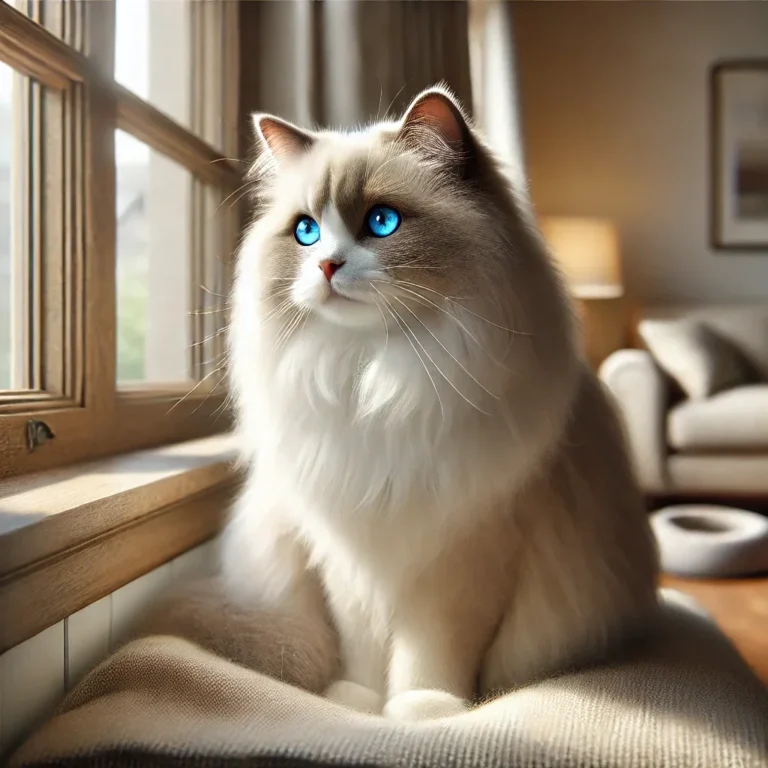
- Ragdoll – Known for their docile nature and affectionate nature, Ragdolls enjoy being handled and often follow family members from room to room. They thrive in calm environments and are excellent at calming other dogs. Ragdoll cat
- British Shorthair – Medium-sized, with laid-back personalities that tolerate household chatter and occasional exuberance. Their dense coat means minimal shedding, ideal for households wanting a low-allergien impact. British Shorthair
- Maine Coon – Staffed with a large, sturdy build, these cats are playful and tolerant. Their gentle “big‑dog” demeanor means they’re less likely to feel threatened by energetic children. Maine Coon
- Burmese – Often called the “dog of the cat world,” Burmese are incredibly playful, attaching closely to human families and sharing a natural curiosity that matches children’s learning moments. Burmese cat
- Domestic Shorthair – As the most common household cats in the U.S., many domestic shorthairs display good temperaments, especially those who have grown up with family pets or children. Their variety means you’ll likely find a mixed‑breed that meets your family’s preferences. Domestic Shorthair
When evaluating a pet, always confirm that the animal’s temperament aligns with these general breed traits. The right match often comes from a calm dog‑friendly environment and a stable family routine.
Handling Allergies and Care Tips
One common concern for families is the potential for allergies. While no cat breed is entirely hypoallergenic, certain breeds reduce allergen exposure due to lower dander production. Here are useful practices you can implement:
- Regular grooming – Brush your cat at least twice a week to remove loose hair and dander. Use an electric brush like a timely grooming brush to keep shedding under control.
- Bathing – Every two to three months, bathe your cat with a gentle, hypoallergenic shampoo. Do not over‑bath as it can dry out the skin.
- Air filtration – Invest in a HEPA air purifier to trap airborne allergens in playrooms and bedrooms.
- Cleaning – Vacuum hard surfaces and use a damp mop on carpets and hard floors, especially in high‑traffic areas.
These steps keep the environment clean and reduce the risk of respiratory symptoms in sensitive family members. Consult a veterinarian from AVMA if allergic reactions persist.
Training Your Cat for a Gentle Home
Even the most patient cat can benefit from gentle guidance, especially within a lively household. Below is a simple training checklist:
- Introduce slowly: Allow the cat to explore new environments on their terms. Children should be taught to approach quietly, offering a hand to sniff before petting.
- Positive reinforcement: Use treats and praise whenever the cat displays calm behavior around a child. Cats learn association, much like children.
- Establish boundaries: Teach children what gestures are acceptable—slow stroking, avoiding stare‑flinch, and respecting scratching posts.
- Regular play sessions: Interactive toys such as wand toys and laser pointers keep the cat mentally stimulated and redirect energy away from furniture or children’s clothing.
- Consistent routine: Feeding, litter cleaning, and play should happen at predictable times so both cat and child develop an understanding of household rhythm.
A well‑structured routine reduces anxiety for the cat and lowers the risk of destructive behaviors. Incorporate tips from ASPCA for additional training ideas and resources.
Ready to welcome a fun-loving cat into your home? Find reputable shelters, evaluate your household’s needs, and choose a breed that aligns with your family’s lifestyle. If you’re new to cat ownership, consider visiting local rescue organizations for a chance to meet kittens ready to play with your kids. Adopt responsibly and give your family the gift of companionship that lasts a lifetime.
Frequently Asked Questions
Q1. What criteria should I consider when selecting a cat for my child?
When choosing a cat for a family with kids, start by assessing temperament—look for cats known for gentle dispositions and patient with small hands. Size also matters; a larger, sturdy cat can tolerate rough play better than a small, delicate kitten. Consider grooming needs; breeds with short, low‑shedding coats reduce mess and allergy risks. Finally, evaluate energy level to match your child’s playfulness, ensuring the cat is neither too skittish nor overly hyper.
Q2. Which breeds are most child-friendly?
The most child‑friendly breeds according to owners and experts include the Ragdoll, British Shorthair, Maine Coon, Burmese, and many domestic shorthairs. Ragdolls are incredibly docile and enjoy being held, making them a classroom favorite. British Shorthairs offer a calm, low‑maintenance personality that adapts well to family life. Maine Coons and Burmese are playful and tolerant, while a well‑socialized domestic shorthair can fit any household if raised among children.
Q3. How can I reduce allergens if my child is sensitive?
Reducing allergen exposure begins with regular grooming—brush your cat twice weekly to remove loose hair and dander. Use a HEPA air purifier in rooms where the cat spends most of its time, trapping airborne particles before they settle on surfaces. Avoid over‑bathing the cat; use hypoallergenic shampoos sparingly to keep the skin supple. Finally, maintain a strict cleaning schedule, vacuuming hard surfaces and mop regularly to minimize dander build‑up.
Q4. What training tips help ensure a cat and child coexist peacefully?
Start by introducing the cat slowly to each child, encouraging gentle sniffing and offering a hand before petting to make the encounter calm. Reinforce positive behavior with treats and praise whenever the cat remains relaxed around kids—this strengthens the desirable association. Set clear boundaries by showing children how to stroke slowly and avoid eye contact that might startle the cat. Provide a variety of interactive toys and scratching posts to channel the cat’s energy away from furniture and play areas. Consistent feeding and playtime routines create a predictable environment, reducing stress for both cat and child.
Q5. When is the best time to adopt a cat into a family with kids?
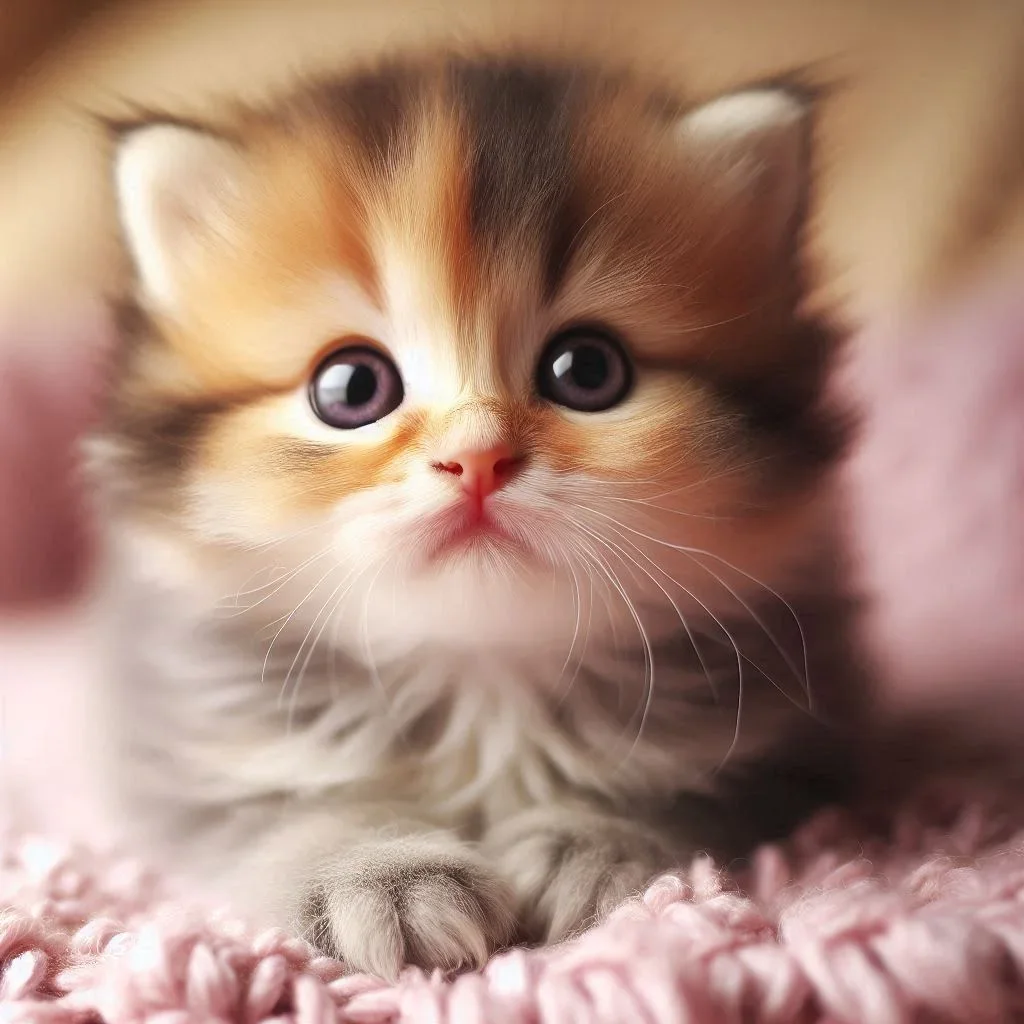
The optimal time to introduce a new cat is when your household is in a settled routine, such as after the child has started school or during a family vacation, so the transition feels less disruptive. If you’re adopting a litter or kitten, plan the move for a weekend when you’ll have ample time to settle the cat in its new environment and train accordingly. Visit local shelters or rescue groups to meet cats that have been raised around children, as these animals will adapt more quickly. Finally, allow a bonding period of several weeks before integrating the cat fully into everyday activities to ensure a smooth adjustment for both the child and the feline.