Best Cats for First Owners
Choosing a feline companion is a joyous milestone, especially for those stepping into pet ownership for the first time. The best cats for first owners share a combination of temperament, ease of care, and adaptability that can make the transition smoother and more rewarding. In this guide we explore the key traits that define an ideal starter cat, spotlight five breeds that consistently rank high for new owners, and provide practical advice on adoption, supplies, and day‑to‑day care. Whether you’re adopting from a shelter or buying from a reputable breeder, understanding these factors will help you make an informed, confident decision.
Why the Best Cats for First Owners Have Certain Traits
First‑time cat parents often look for dogs‑like predictability: a calm demeanor, minimal grooming, and a willingness to bond with people. According to the ASPCA cat care guide, cats that are social, low‑stress, and relatively independent tend to produce fewer behavioral surprises. These traits translate into fewer emergency vet visits, less property damage, and a more harmonious household. Additionally, a breed’s health profile matters; cats prone to hereditary diseases can become costly and emotionally draining for a novice caretaker.
Best Cats for First Owners: Top Five Breeds
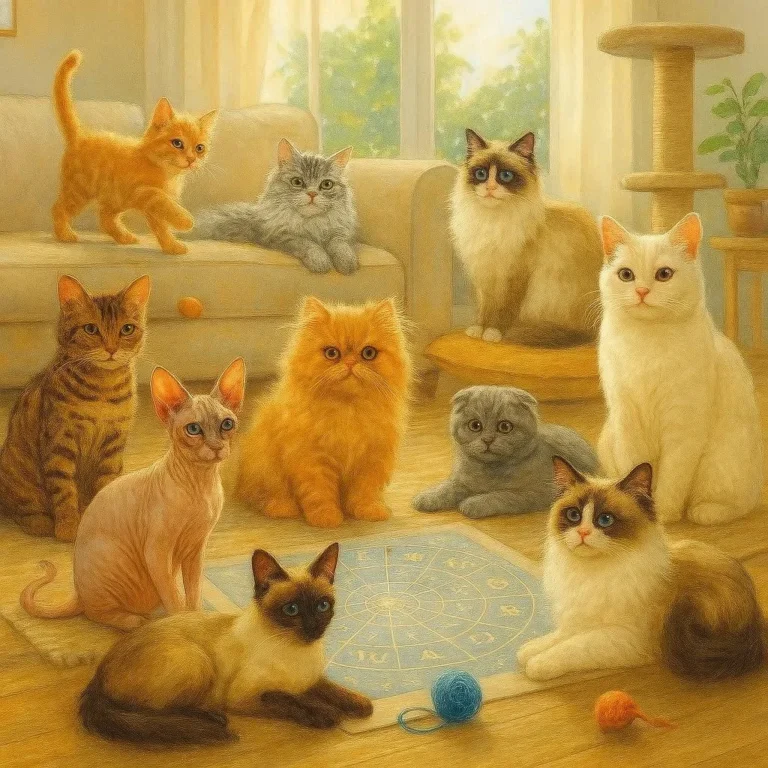
The following five breeds consistently appear in surveys by veterinarians and animal welfare organizations as the most suitable for newcomers. Each breed is described with an emphasis on temperament, grooming needs, and health considerations.
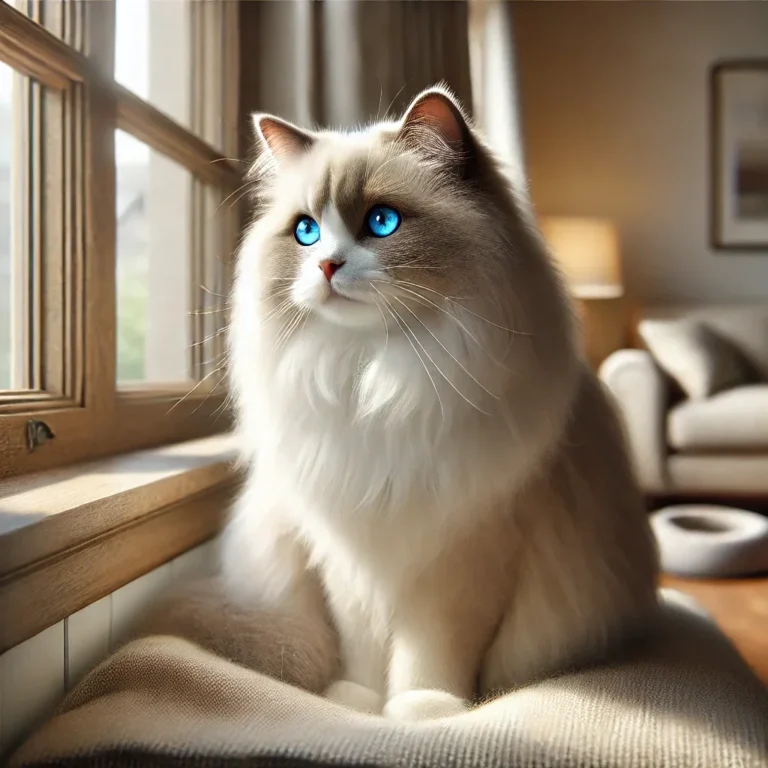
- Ragdoll – Known for their floppy, docile nature, Ragdolls greet humans with a gentle, doll‑like behavior that makes them excellent lap cats. Their semi‑long coat requires weekly brushing, but they are not prone to severe shedding.
- British Shorthair – This sturdy, round‑eyed breed is affectionate yet independent, offering a calm presence that won’t demand constant attention. Their dense short coat is low‑maintenance, and they have a reputation for robust health.
- Russian Blue – With a silvery‑blue coat and bright green eyes, the Russian Blue is shy around strangers but forms strong bonds with its primary caregiver. They are hypoallergenic relative to many breeds and have low grooming needs.
- Domestic Shorthair (DSH) – Often found in shelters, DSH cats are genetic mixes that exhibit a wide range of personalities. Many DSH cats are adaptable, friendly, and have no breed‑specific health issues, making them a budget‑friendly option for first‑time owners.
- Scottish Fold – Recognizable by their unique folded ears, Scottish Folds are playful and loyal. Their short to medium coat is easy to care for, though potential ear‑related health concerns should be monitored by a vet.
For deeper breed histories, consult the Wikipedia entry on Ragdoll cats and the British Shorthair page. These sources provide reliable, third‑party verification of the traits mentioned above.
Choosing the Best Cats for First Owners: Adoption Tips
Adopting from a shelter offers a higher chance of finding a cat whose temperament matches your lifestyle. Many shelters perform behavior assessments and can match you with a cat that displays calm, sociable qualities. The Humane Society’s cat adoption guide recommends asking staff about a cat’s history, medical record, and any known triggers. Look for cats that enjoy being handled, show curiosity, and demonstrate consistent litter‑box use.
When arranging a meet‑and‑greet, bring a quiet room, a few toys, and a small treat. Observe how the cat reacts to your presence: does it approach voluntarily, purr, or stay perched at a safe distance? These cues help you gauge compatibility before committing.
Caring for Your Best Cats for First Owners: Essentials Checklist
Even the most low‑maintenance breed requires a baseline of supplies and knowledge. Below is a concise checklist to ensure your new companion’s health and happiness.
- High‑quality cat food formulated for the cat’s life stage (kitten, adult, senior).
- Litter box with clumping, unscented litter; scooped daily.
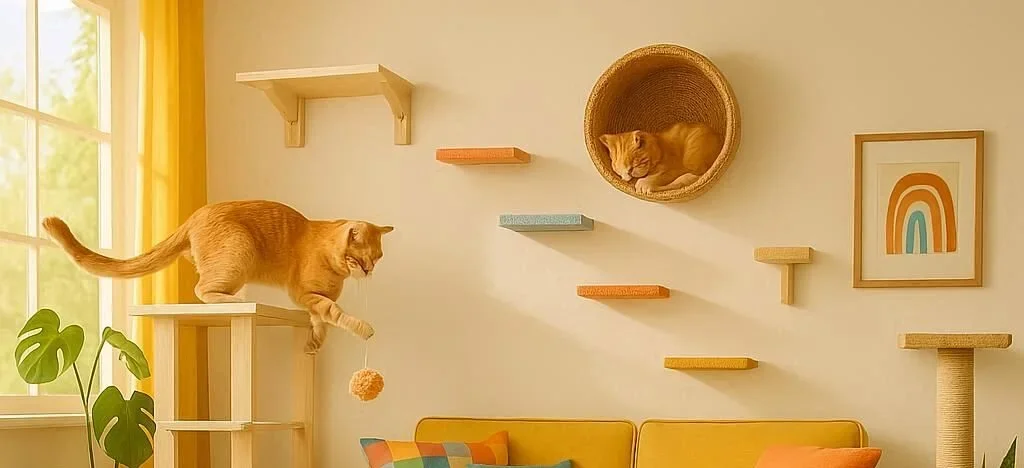
- Scratching post or pad to satisfy natural instincts and protect furniture.
- Gentle grooming brush—especially for semi‑long‑haired breeds like the Ragdoll.
- Annual wellness exam at a veterinary college or reputable clinic; the UC Davis School of Veterinary Medicine offers extensive pet health resources.
Regular play sessions using feather wands or laser pointers stimulate mental and physical health, reducing the likelihood of obesity and behavioral issues. Also, consider an annual dental cleaning; cats can develop plaque just like humans.
Caring for Your Best Cats for First Owners: Building a Bond
Patience is key. Allow your cat to set the pace for affection. Some breeds, like the Russian Blue, may take weeks to fully trust a new person. Offer treats, talk softly, and maintain a consistent routine for feeding and cleaning. Over time, your cat will associate you with safety and comfort, leading to a deeper, more rewarding relationship.
Finally, remember that each cat is an individual. While breed tendencies provide a useful framework, personality can vary widely. Observe your cat’s preferences and adapt your care accordingly.
Ready to bring one of the best cats for first owners into your home? Explore local shelters, schedule a visit, and start the joyful journey of cat companionship today.
Frequently Asked Questions
Q1. Which cat breed is lowest maintenance for a first‑time owner?
Domestic Shorthair cats are often the most low‑maintenance because they come in many temperaments, require minimal grooming, and have no breed‑specific health issues. They adapt well to various home environments and are readily available at shelters. Their independent nature makes them ideal for busy beginners.
Q2. Do Ragdolls need a lot of grooming?
Ragdolls have a semi‑long coat that sheds moderately. Weekly brushing removes loose hair and prevents matting, but they do not require daily grooming like some other long‑haired breeds. Regular grooming keeps their coat healthy and reduces fur around the house.
Q3. Are any of the recommended breeds hypoallergenic?
The Russian Blue is considered more hypoallergenic because it produces fewer allergenic proteins in its saliva and skin. While no cat is completely allergen‑free, this breed often triggers fewer reactions for sensitive owners. Regular cleaning and air filtration can further minimize allergens.
Q4. What health screenings should I ask for when adopting?
Ask the shelter or breeder for a recent wellness exam, vaccinations, and any test results for common hereditary conditions (e.g., heart disease in British Shorthairs). A clear medical history helps you anticipate future care needs. It’s also wise to schedule a veterinary check‑up within the first few weeks of adoption.
Q5. How can I help my new cat feel comfortable during the first week?
Provide a quiet room with food, water, litter, and a cozy bed. Spend short, calm sessions near the cat, offering treats and gentle petting. Maintaining a consistent routine for feeding and cleaning helps the cat associate the new home with safety.