Best Birds for Beginners Guide
Choosing a feathered companion can feel overwhelming, especially if you’ve never owned a pet bird before. The good news is that several species are renowned for their gentle temperament, manageable size, and relative ease of care. In this guide we’ll explore the best birds for beginners, highlight their key characteristics, and give you practical tips to start on the right wing. Whether you’re looking for an easy pet bird for a small apartment, a low‑maintenance bird that still sings, or a beginner‑friendly parrot that will become a lifelong friend, the options below cover the most reliable choices for new avian owners.
Best Birds for Beginners: Budgerigar (Budgie)
The budgerigar, often called a budgie, tops many beginner lists because of its small size (typically under 7 inches) and cheerful personality. Budgies are highly adaptable, thrive in modest cages, and can learn to mimic words with consistent training. Their diet of seed mix, fresh vegetables, and occasional fruit is simple to manage, and routine veterinary check‑ups keep them healthy. Because they are social, a single budgie does best with daily interaction, but many owners opt for a pair to provide constant companionship.
Best Birds for Beginners: Cockatiel
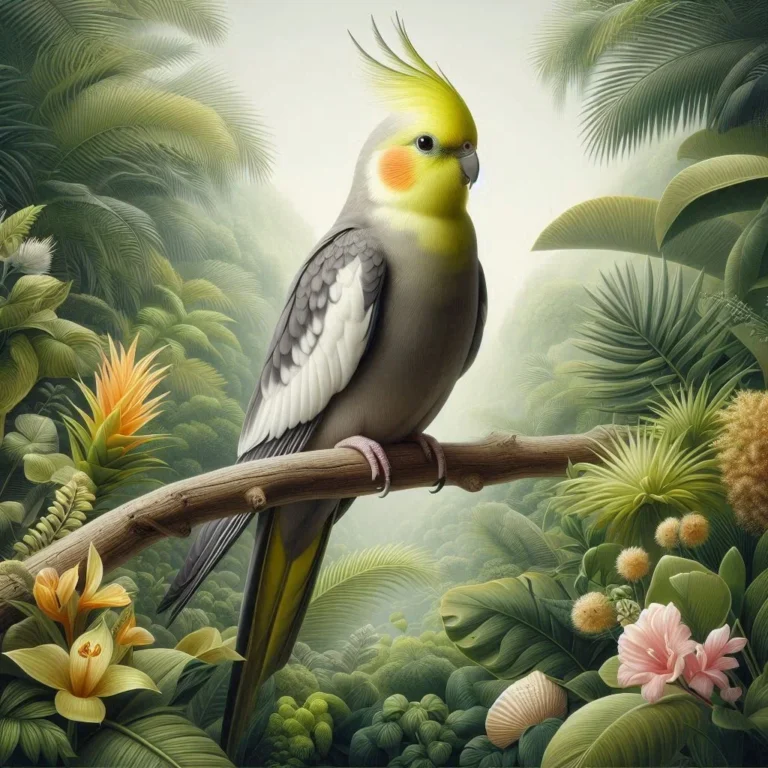
Cockatiels are another popular choice for novice bird owners. Known for their expressive crests and mellow whistling, these birds grow to about 12‑13 inches, making them easy to accommodate in standard bird cages. They enjoy a varied diet of formulated pellets, leafy greens, and nuts, which supports strong feathers and a vibrant demeanor. According to the ASPCA Bird Care guidelines, cockatiels thrive on regular social interaction and benefit from gentle handling to build trust. Their relatively low noise level compared with larger parrots makes them ideal for apartment living.
Best Birds for Beginners: Green‑Cheeked Conure
If you’re drawn to a bird with a dash of bold color and a playful attitude, the green‑cheeked conure may be your match. This small‑to‑medium parrot (around 10‑12 inches) offers vivid emerald and orange plumage, and its affectionate nature makes it a true companion. Conures require a balanced diet of high‑quality pellets, fresh fruit, and occasional nuts. Their intelligence means they enjoy puzzle toys and enrichment activities; a simple foraging toy can keep them occupied for hours. While they can be slightly louder than budgies or cockatiels, their vocalizations are cheerful and rarely disruptive.
Best Birds for Beginners: African Grey Parrot
Although African greys are larger and more demanding than the previously mentioned species, they remain on many beginner lists due to their unmatched talking ability and strong bond with owners. These birds require a spacious cage (minimum 36″ x 24″ x 24″) and a diet rich in fruits, vegetables, and specially formulated pellets. Their longevity—often 40‑60 years—means they are a lifelong commitment, but their intelligence rewards dedicated caretakers with remarkable vocal mimicry. For aspiring bird enthusiasts willing to invest time in training, the African grey exemplifies the ultimate beginner‑friendly parrot experience.
Essential Care Tips for Any New Bird Owner
Regardless of which species you choose, certain fundamentals apply to all pet birds. Below is a concise checklist to keep your feathered friend thriving:
- Cage Size: Provide enough space for your bird to stretch its wings fully and move around comfortably.
- Nutrition: Balance seeds with pellets, fresh produce, and clean water refreshed daily.
- Social Interaction: Birds are highly social; allocate at least 30 minutes of direct interaction each day.
- Environmental Enrichment: Offer toys, mirrors, and perches of varying textures to prevent boredom.
- Health Monitoring: Watch for changes in droppings, appetite, or feather condition, and schedule annual avian vet visits.
For deeper scientific insight into avian nutrition, the U.S. Forest Service maintains extensive research on bird health and diet. Additionally, the BirdLife International site offers valuable resources on species conservation and responsible pet ownership.
Choosing the Right Cage and Accessories
The cage you select sets the foundation for a happy home. Aim for a cage constructed from non‑toxic, powder‑coated metal to avoid rust. Stainless steel is optimal but often costlier; a high‑quality acrylic-coated cage provides a safe alternative. Provide perches of natural wood, varying diameters to promote foot health, and ensure that bars are spaced appropriately—typically no wider than ½ inch for smaller species like budgies and up to ¾ inch for larger parrots.
Feeding Fundamentals: From Seeds to Superfoods
While many beginners start with seed mixes, a diet heavy in seeds can lead to obesity and nutritional deficiencies. Transition gradually to a pellet‑based regimen, supplementing with fresh vegetables such as kale, carrots, and bell peppers. Fruit should be offered in moderation due to sugar content. For species‑specific recommendations, consult the Avian Nutrition Guide provided by reputable avian specialists.
Socialization and Training Techniques
Patience is key when teaching your bird to trust you. Start with gentle hand‑taming sessions, offering treats to encourage approach. Use a calm voice and repeat simple words or phrases daily; budgies and African greys excel at mimicry when motivated by positive reinforcement. For parrots like conures, incorporating clicker training can accelerate learning and strengthen the bond.
Conclusion
Embarking on the journey of avian companionship is both rewarding and manageable when you select from the best birds for beginners. From the sociable budgerigar to the charismatic African grey, each species offers a unique blend of personality, care requirements, and lifelong joy. Take the time to research, prepare a suitable environment, and commit to ongoing interaction—your new feathered friend will repay you with affection, song, and endless curiosity.
Ready to bring home one of the best birds for beginners? Explore reputable breeders, visit local bird rescues, and start your avian adventure today. Remember, the right bird can transform your home into a lively sanctuary—don’t wait, let the chirping begin!
Frequently Asked Questions
Q1. Which beginner bird is the easiest to care for?
Budgerigars, or budgies, are often recommended for first‑time owners because they are small, adaptable, and require modest space. They thrive on a simple diet of pellets, seed mixes, and fresh vegetables. With regular social interaction, they can also learn to mimic words, making them a rewarding starter bird.
Q2. How much space does a cockatiel need?
A cockatiel should have a cage that allows full wing extension, typically at least 18×18×24 inches. Providing multiple perches and toys helps keep the bird active and prevents boredom. Regular out‑of‑cage time is also important for their physical and mental health.
Q3. Are green‑cheeked conures noisy?
Green‑cheeked conures are vocal, but their calls are generally higher‑pitched and shorter than larger parrots. They enjoy chatting with their owners and may whistle or mimic sounds throughout the day. Proper training and providing enrichment can keep excessive noise to a minimum.
Q4. What is the lifespan of an African grey parrot?
African grey parrots can live 40 to 60 years with proper care, nutrition, and mental stimulation. Their long lifespan means they become a lifelong companion, so prospective owners should be prepared for a long‑term commitment. Regular veterinary check‑ups are essential for a healthy, happy bird.
Q5. How do I transition my bird from seeds to a healthier diet?
Start by introducing a high‑quality pellet as the main food and gradually mix in fresh vegetables and fruits. Offer seeds as occasional treats rather than the staple. Monitoring your bird’s weight and adjusting portions will help ensure a balanced, nutritious diet.