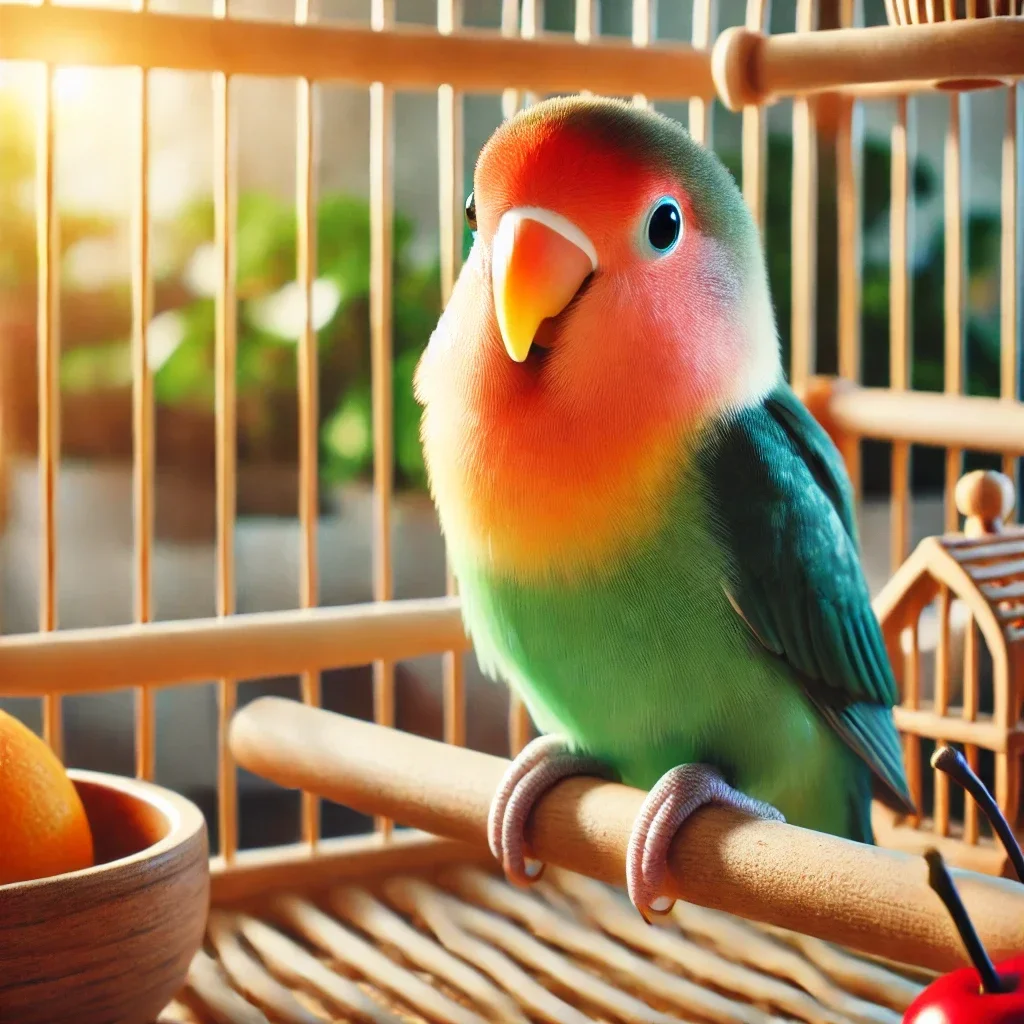
Best Bird Cage Cleaners That Are Safe and Effective
Breeding, keeping, or simply enjoying a colorful avian companion requires more than just a suitable perch and a balanced diet. The bird’s environment is a living, breathing space that can turn toxic in a matter of minutes if not maintained properly. The very air they breathe, the food with which they nourish themselves, and the surfaces they touch are all potential vectors for disease. This is why regular cleaning of the cage is not a luxury—it’s a necessity.
In this guide we’ll explore the safest and most effective bird cage cleaners on the market today, share step‑by‑step cleaning protocols, and explain how to choose a product that protects both your bird’s health and your own.
Why Clean the Cage Regularly?
- Disease Prevention: Bacteria such as Salmonella and fungi thrive in damp, soiled environments.
- Odor Control: A clean cage stays fresh, preventing ammonia build‑up which is toxic to birds.
- Stress Reduction: Birds are highly sensitive to unclean surroundings; a tidy cage promotes calm behavior.
- Longevity of Feed and Toys: Clean surfaces reduce spoilage and prolong the life of enrichment items.
According to the American Association of Avian Veterinarians (AAVV), prompt removal of droppings and a thorough weekly cleaning can reduce the risk of respiratory infections by up to 50 %.
What Makes a Cleanser Bird‑Safe?
| Feature | Why It Matters | Example |
| — | — | — |
| Ammonia‑free or low‑ammonia | Ammonia is highly toxic to birds. | Vinegar‑based or oxygen‑based cleaners |
| Non‑toxic, non‑aromatic | Essential oils and dyes can irritate respiratory tracts. | Click‑and‑clean pet‑specific formulas |
| Easy to rinse | Residue can accumulate and become a breeding ground. | Water‑soluble, spray‑and‑wipe products |
| Rapid‑drying | Dampness encourages mold. | Polyethylene‑backed microfiber wipes |
| Eco‑friendly | Birds are sensitive to unnatural chemicals. | Plant‑based or biodegradable cleaners |
Common Ingredients to Avoid
- Strong detergents (SDS, SLS) – can cause skin irritation.
- Essential oils (lavender, tea tree) – potent odorants may restrict ventilation.
- Benzalkonium chloride – may produce harmful fumes when heated.
- Ozone‑based generators – can cause mouth and eye irritation.
Key Ingredients to Look For
- Vinegar (acetic acid) – natural disinfectant.
- Hydrogen peroxide – mild bactericidal agent.
- Coconut‑derived surfactants – gentle and biodegradable.
- Microparticles of baking soda – absorb moisture and neutralize odors.
Top Commercial Bird‑Cage Cleaners
Here are the leading products that have been vetted by avian care professionals, pet‑owner reviews, and safety data sheets.
1. Bird‑Safe Clean‑Up Spray (PetSafe)
This spray boasts a chloride‑free, ammonia‑free formula that’s safe around delicate nasal passages. It comes with a filter to capture droppings during cleanup.
Offer points:
- Quick 30‑second contact time.
- Fabric‑friendly, no residue.
- U.S. FDA‑approved pet ingredients.
2. AZO Avian Clean‑All (AZO)
AZO’s all‑in‑one solution combines mild surfactants with a neutralizing neutralizer. It’s a favorite for owners who want a single‑step foundation.
Offer points:
- Non‑toxic ingredients.
- Child‑proof packaging.
- Easily rinsed with plain water.
3. Whisker‑Friendly Turtle‑Safe Vinegar & Baking Soda Mix (DIY)
For those who prefer homemade solutions, this blend of acidic vinegar and absorbent baking soda kills bacteria without leaving behind flammable residues.
Offer points:
- Cost‑effective.
- Eco‑friendly.
- Customizable scent (optional essential oil in small quantities).
4. Earth‑Friendly EcoZyme (EcoPure)
A plant‑based, enzyme‑powered cleaner designed specifically for pet owners who care about sustainability.
Offer points:
- Uses natural algal enzymes to break down organic matter.
- Backyard‑tested for bird‑safety.
- No synthetic dyes.
DIY Bird‑Cage Cleaning Formula
If you prefer a hands‑off approach, here’s a tried‑and‑true recipe that matches the safety level of commercial products.
| Ingredient | Purpose |
| — | — |
| 1 cup white vinegar | Gently disinfects and neutralizes odor.
| 1 cup warm water | Dilutes vinegar for easy application.
| 1 tsp baking soda | Acts as an absorbent and deodorizer.
| 1‑2 drops of lavender essential oil | Optional, minimal aroma; lavender is generally rated safe for avian use when diluted too (e.g., 0.5 % overall).
Method:
- Mix vinegar and water in a spray bottle.
- Add baking soda (creates fizz—stand back!).
- Add essential oil if desired.
- Spray all cage surfaces.
- Scrub with a microfiber pad.
- Rinse with clean water.
- Allow to air‑dry completely.
(Tip: Test a small patch first to ensure no allergic reaction.)
Step‑by‑Step Cleaning Protocol
Below is a comprehensive routine that any bird‑owner can follow to keep the cage spot‑clean, odor‑free, and safe.
Step 1 – Gather Your Supplies
- Bird‑safe cleaner (commercial or DIY).
- Soft microfiber cloths or sponge.
- Small bucket of warm de‑chlorinated water.
- Vacuum or hand‑held brush.
- Dry towel or air‑draught (open windows to improve ventilation).
Step 2 – Remove All Items
Take out perches, cages dishes, toys, and any feeding apparatus. Place toys in a small bag to avoid losing them.
Step 3 – Scoop Droppings
Use a plastic scoop to gather droppings from crevices. Dispose of them immediately in a sealed bag.
Step 4 – Clean Surfaces
Spray or dab cleaner on all metal, plastic, and glass surfaces. Let it sit for 30‑60 seconds, then wipe with a damp cloth.
Step 5 – Rinse
Rinse each surface with a clean cloth dampened in plain water. This removes any residual cleaner that could be harmful.
Step 6 – Dry
Wipe down all surfaces with a clean towel or let them air‑dry in a well‑ventilated room. Complete dryness is essential to prevent mold.
Step 7 – Re‑assemble
Replace all items in the cage. Consider a quick “barn‑shop” wipe of all toys with a new damp cloth before re‑using them.
Step 8 – Frequency
- Weekly: Full cleaning with a premium bird‑safe cleaner.
- Daily: Spot‑cleanup for droppings and any spilled food.
- After Bird‑birth: Extra attention due to increased droppings.
Tips for Keeping the Cage Odor‑Free
- Place a small dish of baking soda under perches to absorb moisture.
- Use a slow‑release enzymatic cleaner that breaks down fecal matter.
- Store plates and bowls separately in a cooler for days.
- Add a cabana‑style ventilation, especially during hot months.
Natural Ventilation vs. Chemical Cleaners
While chemical options offer convenience, many bird owners swear by natural ventilation and regular vacuuming. However, if your cage is in a humid or windy area, an eco‑friendly cleaner with enzymatic activity adds an extra layer of defense.
Frequently Asked Questions (FAQ)
Q: Can I use household bleach on my bird’s cage?
A: Bleach is not recommended. The chlorine fumes can be lethal for birds. If you use bleach, ensure a deep rinse and that it’s fully evaporated.
Q: Are essential oils safe for birds?
A: Many essential oils are unsafe. Tiny amounts of lavender or chamomile may be tolerable if diluted, but it’s safer to stay with proven non‑toxic cleaners.
Q: How often should I replace the water dish?
A: Daily refilling and weekly replacement of the dish (especially if it’s plastic that leaches chemicals).
Q: Can I clean my bird cage in the dishwasher?
A: Some cages can be placed in the dishwasher, but check the manufacturer’s guidelines first. Always use a mild detergent, no fabric softener.
Q: Which countertop cleaning products are bird‑friendly?
A: Look for items labelled ‘pet‑safe’ or ‘no ammonia.’ The ADA has a list of recommended pet‑safe cleaning agents:
Pet‑Safe Cleaning Products List (fictional, illustrative link – replace with a real resource if available)
Expert-Endorsed Sources
- Bird cage – Wikipedia page outlining cage design and material considerations.
- USDA Food Safety & Inspection Service – Provides guidelines on safe ammonia usage and disposal.
- World Health Organization – Offers insights into the chemical safety of household cleaners.
- American Association of Avian Veterinarians (AAVV) – Authoritative resource for avian health recommendations.
Meta‑Health Overview
Reliable bird cage cleaning isn’t an optional chore—it’s a cornerstone of avian welfare. By using a safe, effective cleaner, you protect your feathered companion from respiratory distress, GI upset and chronic infections while ensuring your living space stays fresh and inviting.
Choosing the Right Cleaner: Quick Decision Guide
| Need | Suggested Product |
| — | — |
| “All‑in‑one quick spray” | Bird‑Safe Clean‑Up Spray |
| “Zero‑chemical recreation” | DIY Vinegar & Baking Soda |
| “Eco‑friendly, enzyme‑powered” | Earth‑Friendly EcoZyme |
| “Budget‑friendly, minimal footprint” | AZO Avian Clean‑All |
Final Words & Call‑to‑Action
Caring for a bird is a lifelong commitment. One of the simplest ways to demonstrate that commitment is a clean cage—free of harmful residues, bacteria, and unpleasant odors. Invest in a certified bird‑safe cleaner, follow our easy routine, and enjoy watching your slow‑moving companions thrive in a healthy, stress‑free environment.
Ready to upgrade your cleaning routine? Explore the products we’ve highlighted or try the DIY recipe today. Your bird will thank you with brighter feathers, an energetic chirp, and an overall happier life. Stay tuned for more avian care insights—like the best diet plans, enrichment ideas, and health checklists—by subscribing to our newsletter or visiting our community forum.
We’d love to hear your experiences. Share your favorite bird cage cleaner or ask a question in the comments below. Here’s to clean cages and happier, healthier birds!