Beginner Friendly Small Mammals Guide
Welcome to the ultimate Beginner Friendly Small Mammals Guide, your first stop for reliable, science‑backed advice on selecting, housing, feeding, and caring for tiny pets like hamsters, gerbils, guinea pigs, and rabbits. Whether you live in an apartment or a house, this guide will help you build a safe, enriching environment that promotes longevity and happiness for your new companion. The information below follows the latest recommendations from veterinary schools, government health agencies, and reputable animal‑care institutions, ensuring you start on firm, trusted footing.
Choosing the Right Species
Not all small mammals are created equal, and the right choice depends on your lifestyle, space, and time commitment. Below is a quick snapshot of the most popular beginner‑friendly options:
- Hamsters – Small, nocturnal, and low‑maintenance; ideal for limited space.
- Gerbils – Active and social; enjoy digging and exploring.
- Guinea Pigs – Larger, vocal, and require more companionship; thrive with a balanced diet of hay and fresh veggies.Learn more
- Rabbits – Intelligent and social; need a larger enclosure and regular grooming.Read about rabbits
Before buying, assess your schedule. Hamsters and gerbils can be handled briefly a few times a week, while guinea pigs and rabbits benefit from daily interaction. Also, check local ordinances; some municipalities restrict certain species.CDC pet guidelines
Setting Up a Safe Habitat
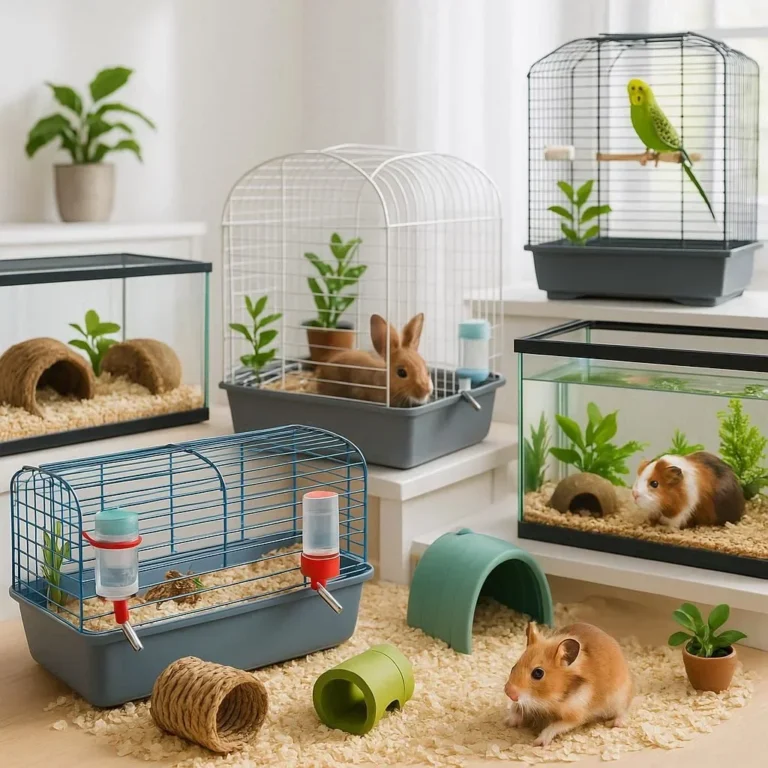
A secure, comfortable habitat is the cornerstone of healthy small‑mammal care. Choose a cage that exceeds the minimum size recommendations of species‑specific guidelines. For example, a single hamster needs at least 450 square inches of floor space, while a pair of rabbits requires a minimum of 8 sq ft of pen space.
Key elements of an optimal habitat include:
- Solid flooring – Avoid wire bottoms that can cause sore feet; use chew‑safe platforms, paper bedding, or aspen shavings.
- Ventilation – Ensure fresh air circulation without drafts; mesh sides work well.
- Enrichment – Provide tunnels, chew toys, and climbing structures to prevent boredom and promote natural behaviors.
- Secure lids – Small mammals are expert escape artists; a lockable lid is essential.
When arranging the cage, place food and water stations on the same side to reduce spillage, and locate a hideaway in a quiet corner for stress‑free retreat. For a deeper dive into cage design, consult the Cornell University small‑pet resources.
Feeding and Nutrition Basics
Proper nutrition varies by species but shares common principles: high fiber, low sugar, and fresh water at all times. Below is a concise feeding schedule for the most common beginner mammals.
- Hamsters – Unlimited plain, unscented wood shavings for bedding, plus a measured portion of high‑quality hamster pellets; occasional treat of fresh carrot or apple.
- Gerbils – Similar to hamsters, with a focus on grain‑based mixes and occasional seeds.
- Guinea Pigs – Unlimited hay (timothy or orchard grass) for fiber, a daily portion of fortified pellets, and 1–2 cups of fresh leafy greens such as kale or romaine lettuce.Guinea pig diet details
- Rabbits – Unlimited hay, fresh vegetables (leafy greens, bell peppers), limited pellets, and constant access to clean water.
Never feed sugary fruits or processed foods, as they can cause gastrointestinal upset and obesity. For guidance on safe foods, reference the U.S. FDA food safety page.
Health, Hygiene, and Veterinary Care
Regular health monitoring catches issues early. Look for signs such as sudden weight loss, changes in activity, abnormal droppings, or respiratory sounds. Schedule a wellness check with a veterinarian experienced in exotic pets at least once a year.AVMA pet health resources
Grooming needs differ: hamsters and gerbils self‑groom, while guinea pigs need regular nail trims and occasional fur brushing. Rabbits require weekly nail trims and regular teeth checks, as their incisors grow continuously.
Maintain cage hygiene by spot‑cleaning daily and performing a full clean weekly. Replace bedding, wash food dishes with hot, soapy water, and disinfect surfaces with a pet‑safe solution.
Legal and Ethical Considerations
Before adopting, verify that the species is legal in your state or municipality. Some regions prohibit certain rodents or require permits for rabbits. Check local wildlife agencies or the USDA APHIS website for up‑to‑date regulations.
Adopt, don’t shop. Rescue organizations often have small‑mammal adoptions, providing animals a second chance and reducing demand from commercial breeders. Ethical care also means providing enrichment, social interaction, and a lifetime commitment—small mammals may live 2–8 years depending on the species.
Conclusion
Starting your journey with a small mammal can be incredibly rewarding when you’re armed with accurate, evidence‑based information. This Beginner Friendly Small Mammals Guide has covered species selection, habitat setup, nutrition, health, and legal responsibilities, giving you a solid foundation to create a thriving environment for your new pet.
Ready to bring home a happy, healthy small mammal? Explore reputable breeders or local rescues today, and apply the steps above to ensure a smooth transition. Your future furry friend is waiting—take the first step now!
Frequently Asked Questions
Q1. How do I choose the right small mammal for my lifestyle?
Consider the amount of space you have, the time you can devote daily, and whether you want a solitary or social pet. Hamsters and gerbils need less room and occasional interaction, while guinea pigs and rabbits thrive with daily handling and companionship. Also check local regulations and any allergies in your household before deciding.
Q2. What minimum cage size is recommended for a hamster versus a rabbit?
A single hamster should have at least 450 sq in (≈2,900 sq cm) of floor space, ideally more for active individuals. Rabbits need far larger enclosures – a minimum of 8 sq ft (≈0.75 m²) of pen space per rabbit, plus a run for exercise. Larger cages reduce stress and promote natural behaviors.
Q3. How often should I clean the cage and what bedding is safest?
Spot‑clean daily to remove waste and uneaten food, and perform a full clean weekly: replace all bedding, wash dishes, and disinfect surfaces with a pet‑safe solution. Choose solid, dust‑free bedding such as paper-based substrates or aspen shavings; avoid cedar, pine, or wire flooring which can cause respiratory issues and sore feet.
Q4. What are the essential components of a balanced diet for guinea pigs and rabbits?
Both species require unlimited high‑fiber hay (timothy, orchard, or meadow) to support digestion. Add a daily portion of fortified pellets (guinea‑pig pellets must contain vitamin C) and fresh leafy greens like kale, romaine, or cilantro. Limit sugary fruits and starchy vegetables, and always provide fresh water.
Q5. When should I take my small mammal to a veterinarian?
Schedule a wellness exam at least once a year with a vet experienced in exotic pets. Seek immediate care if you notice weight loss, labored breathing, abnormal droppings, swollen glands, or signs of pain. Regular dental checks are crucial for rabbits and guinea pigs because their teeth grow continuously.