Balancing Diet and Exercise for Healthy Dogs
Keeping your dog healthy and happy is a top priority for any pet owner. A crucial part of maintaining your dog’s overall well-being is ensuring they receive the right balance of diet and exercise. Just like humans, dogs need a combination of proper nutrition and regular physical activity to stay in optimal health. A well-balanced diet provides the necessary nutrients for growth, energy, and bodily functions, while exercise keeps their muscles strong, their minds stimulated, and their weight under control. However, finding the perfect balance can be challenging, especially with the vast array of dog foods and exercise routines available today.
In this article, we’ll explore the key aspects of balancing diet and exercise for healthy dogs. We’ll discuss the importance of each component, provide tips for creating a tailored plan for your furry friend, and highlight common mistakes to avoid. Whether you’re a new dog owner or a seasoned pet parent, this guide will help you ensure your dog leads a happy, healthy life.
The Importance of a Balanced Diet for Dogs
A dog’s diet is the foundation of their health. The food your dog eats directly impacts their energy levels, digestion, skin health, and overall vitality. Unlike humans, dogs have specific dietary needs that must be met to prevent deficiencies and health issues later in life.
- Nutritional Needs
Dogs are omnivores, which means they require a mix of protein, fats, carbohydrates, vitamins, and minerals in their diet. High-quality dog food should be formulated to meet these needs, with protein being the most critical component. Protein sources such as chicken, beef, and fish provide essential amino acids that support muscle growth and repair. Fats are another vital ingredient, supplying energy and aiding in the absorption of fat-soluble vitamins.
Carbohydrates, while not as crucial as protein and fats, still play a role in providing energy and fiber. Whole grains like brown rice and oats are excellent sources of complex carbohydrates, whereas fillers like corn and wheat should be avoided if possible. Vitamins and minerals, such as Vitamin A, D, and E, as well as calcium and phosphorus, are also essential for maintaining strong bones, healthy skin, and a robust immune system.
- Choosing the Right Dog Food
With so many dog food options on the market, selecting the right one for your dog can be overwhelming. Here are a few tips to help you make the best choice:
- Avoid Fillers and By-Products: Fillers like corn, wheat, and soy are often used to bulk up dog food but provide little nutritional value. Opt for foods that list real meat as the first ingredient.
- Consider Your Dog’s Life Stage: Puppies, adult dogs, and seniors have different nutritional needs. Puppies require more protein and calories to support growth, while senior dogs may benefit from joint supplements like glucosamine.
- Check for AAFCO Certification: The Association of American Feed Control Officials (AAFCO) sets standards for pet food. Look for the AAFCO certification on the label to ensure the food meets minimum nutritional requirements.
- Consult Your Veterinarian: Every dog is different, and your veterinarian can help you determine the best diet based on your dog’s breed, age, weight, and health conditions.
- The Role of Treats
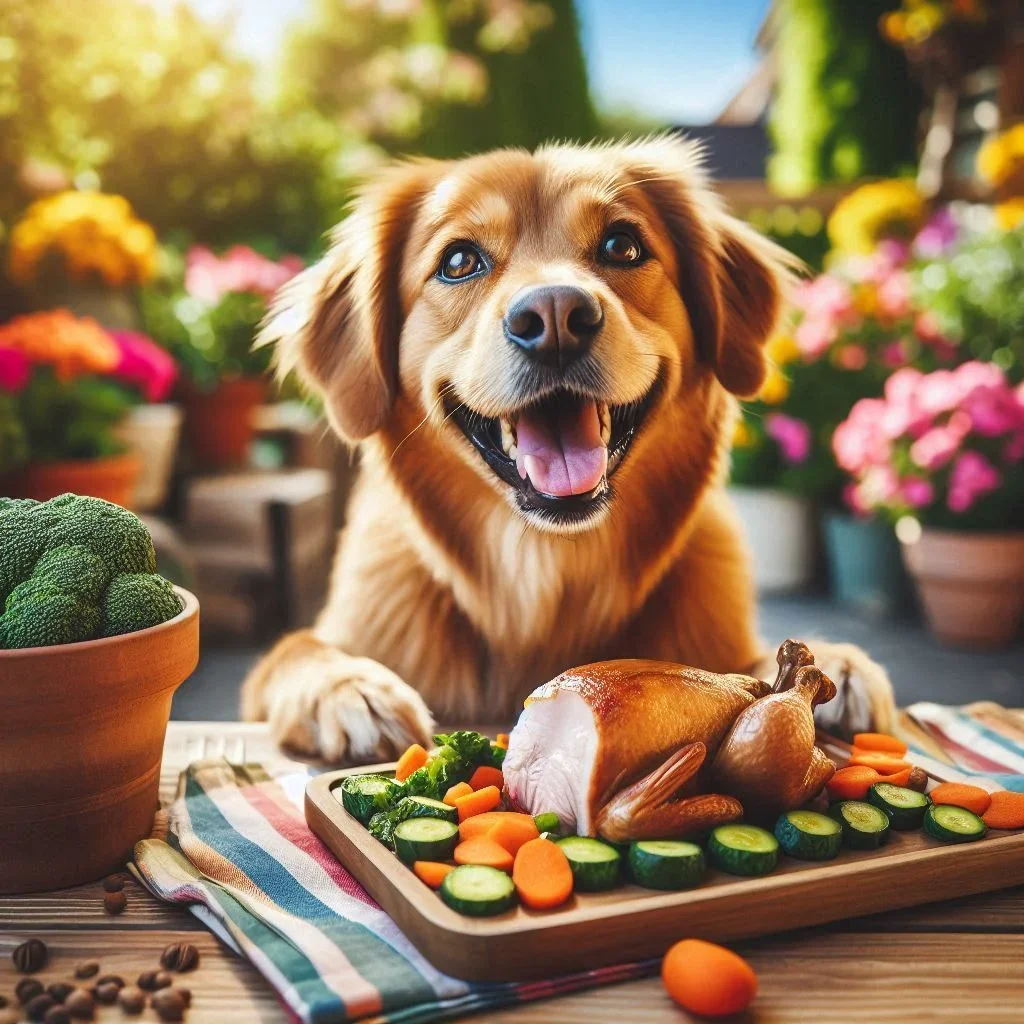
Treats can be a great way to reward your dog during training or simply as a snack. However, they should be given in moderation. Overindulging your dog with treats can lead to weight gain and an imbalanced diet. Choose low-calorie, nutrient-rich treats, and avoid giving your dog table scraps, as many human foods are toxic to dogs or can cause digestive issues.
The Importance of Exercise for Dogs
Regular exercise is just as vital as a balanced diet when it comes to maintaining your dog’s health. Exercise not only helps your dog stay physically fit but also provides mental stimulation and reduces the risk of behavioral problems.
- Physical Benefits
Exercise plays a critical role in maintaining your dog’s physical health. It helps burn calories to prevent obesity, strengthens muscles, and keeps joints flexible. Regular activity can also improve circulation, boost the immune system, and reduce the risk of chronic health conditions like heart disease and diabetes.
- Mental Stimulation
Dogs are intelligent animals that require mental stimulation to prevent boredom, anxiety, and destructive behavior. Exercise, especially activities that challenge their minds, such as agility training, obedience exercises, and scent work, can keep your dog happy and engaged.
- Socialization
Exercise often involves social interaction, whether it’s with other dogs at the park or with people during walks. Socialization is crucial for helping your dog develop good manners and reducing the likelihood of fear-based behaviors.
Creating a Balanced Exercise Routine
Just like humans, dogs have different exercise needs based on their breed, size, age, and health. Some dogs, like Border Collies and Labradors, require high levels of physical and mental stimulation, while others, like Bulldogs and Shih Tzus, may need more gentle exercise. Creating a routine that meets your dog’s specific needs is essential.
- Daily Walks
Daily walks are a fundamental part of any dog’s exercise routine. They provide an opportunity for your dog to explore their surroundings, sniff, and engage in natural behaviors. A minimum of two 15-minute walks per day is recommended, but this can vary depending on your dog’s breed and energy level.
- Playtime
Playtime is a great way to bond with your dog while providing them with physical and mental stimulation. Whether it’s playing fetch, tug-of-war, or hide-and-seek, interactive play helps burn energy and reinforces training. Aim for at least 30 minutes of playtime per day.
- Additional Activities
In addition to walks and playtime, incorporating other activities into your dog’s routine can keep things interesting and challenging. Activities like hiking, swimming, and agility training are excellent ways to provide varied exercise. Swimming, in particular, is a low-impact activity that’s easy on the joints and ideal for dogs with mobility issues.
- Factors to Consider
- Age: Puppies and senior dogs have different exercise needs. Puppies require shorter, more frequent play sessions to avoid overexertion, while senior dogs may need more gentle activities to accommodate joint issues.
- Health Conditions: Dogs with health conditions such as arthritis or obesity may need specialized exercise plans. Always consult with your veterinarian before starting a new exercise routine.
- Weather: Extreme heat or cold can impact your dog’s ability to exercise comfortably. Adjust your routine accordingly, providing plenty of water breaks in hot weather and shorter walks in cold conditions.
How to Monitor Your Dog’s Health
Maintaining your dog’s health involves more than just providing the right diet and exercise. It’s important to monitor their overall well-being and make adjustments as necessary.
- Weight Management
Excess weight can lead to a variety of health problems, including diabetes, arthritis, and heart disease. Monitoring your dog’s weight and adjusting their diet and exercise routine accordingly is essential. Your veterinarian can help determine whether your dog is at a healthy weight and provide guidance on how to achieve or maintain it.
- Digestive Health
A balanced diet should promote healthy digestion and prevent issues like diarrhea, constipation, and gas. If your dog experiences persistent digestive problems, it may be a sign that their diet needs to be adjusted. Consult with your veterinarian to rule out any underlying health issues.
- Energy Levels
Your dog’s energy levels can indicate whether their diet and exercise needs are being met. A dog that seems lethargic or overly hyperactive may be a sign that their routine needs tweaking. Consult with your veterinarian if you notice any unusual changes in your dog’s behavior or energy levels.
Common Mistakes to Avoid
Even with the best intentions, it’s easy to make mistakes when it comes to your dog’s diet and exercise. Here are a few common pitfalls to avoid:
- Overfeeding
Overfeeding is one of the most common mistakes dog owners make. It’s easy to overindulge your furry friend with treats or extra portions, but this can lead to obesity and related health issues. Stick to the feeding guidelines provided by the manufacturer and adjust based on your dog’s individual needs.
- Under-Exercising
Just as overfeeding can lead to health problems, under-exercising can result in weight gain, boredom, and behavioral issues. Ensure your dog is getting enough physical and mental stimulation throughout the day.
- Ignoring Individual Needs
Every dog is different, and there’s no one-size-fits-all approach to diet and exercise. Factors like breed, age, and health conditions should all be considered when creating a plan for your dog.
- Poor Quality Foods
Choosing a low-quality dog food can lead to nutritional deficiencies and health problems. Always read the ingredient list and look for AAFCO certification to ensure you’re providing your dog with the best possible nutrition.
- Lack of Variety
A monotonous diet or exercise routine can lead to boredom and dissatisfaction. Varying your dog’s meals and activities can keep them engaged and prevent mental and physical stagnation.
Conclusion
Balancing diet and exercise is essential for ensuring your dog leads a happy, healthy life. By providing a high-quality, well-rounded diet and a regular exercise routine tailored to your dog’s specific needs, you can help prevent health issues, improve their quality of life, and strengthen the bond you share with your furry companion.
Remember, every dog is unique, and what works for one dog may not work for another. Consulting with your veterinarian is always the best course of action when creating a diet and exercise plan. With patience, consistency, and a little bit of love, you can help your dog thrive and enjoy their best life possible.
So, next time you’re planning your dog’s next meal or considering their exercise routine, remember the importance of balance. By combining the right nutrition with regular physical and mental stimulation, you’re giving your dog the tools they need to live a long, happy, and healthy life.
Final Word
Taking care of your dog’s health is a big responsibility, but it’s also incredibly rewarding. By focusing on balancing diet and exercise, you can ensure your dog is in the best shape possible. Whether it’s through a hearty meal, a brisk walk, or an engaging play session, every effort you make contributes to their overall well-being. So, go ahead and give your furry friend the gift of a balanced lifestyle – they’ll thank you for it with endless joy and companionship.