Affectionate Pet Birds for Companionship
Affectionate Pet Birds have become a beloved choice for families and individuals seeking a lively, interactive companion. These feathered friends offer a blend of intelligence, vocal charm, and a natural inclination to bond with their human caretakers. Whether you’re a seasoned avian enthusiast or a first‑time bird owner, understanding the nuances of bird companionship can help you choose a species that thrives in your home and brings joy for years to come. In this guide, we’ll explore the top affectionate pet birds, their social needs, daily care, training strategies, and health tips to ensure a happy, healthy partnership.
Choosing the Right Species for Affectionate Pet Birds
When selecting an affectionate pet bird, it’s essential to match the bird’s temperament with your lifestyle. Some species are naturally more social and thrive on interaction, while others may prefer a quieter environment. Below is a curated list of five bird species renowned for their affectionate nature:
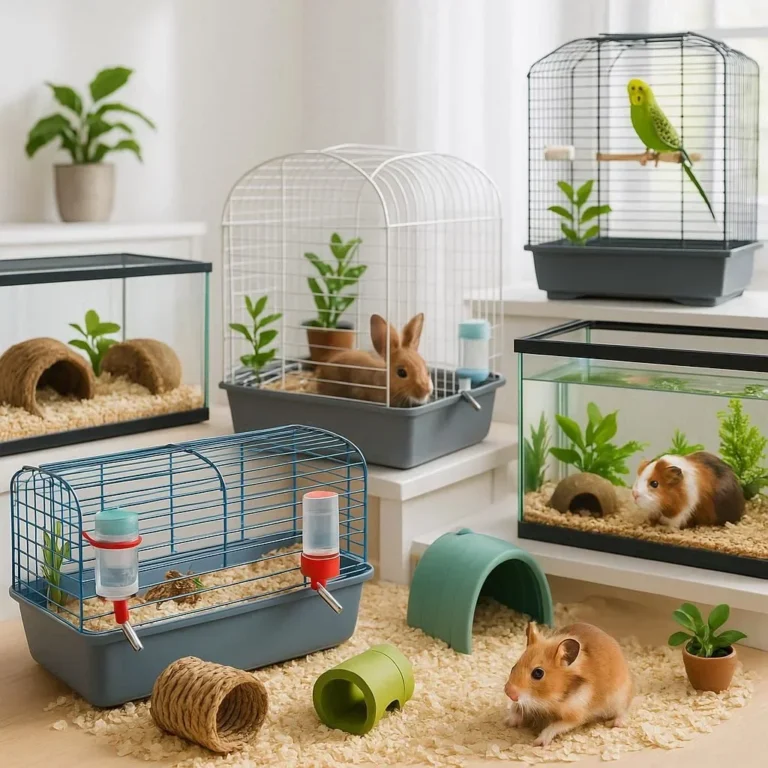
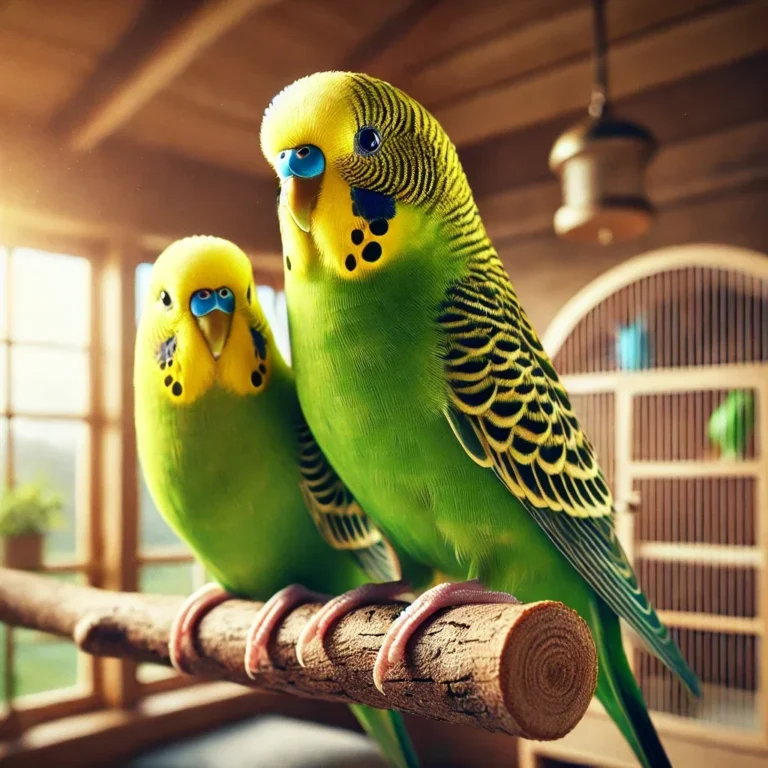
- Budgerigar (Budgie) – Small, playful, and highly trainable, budgies are excellent for families with children.
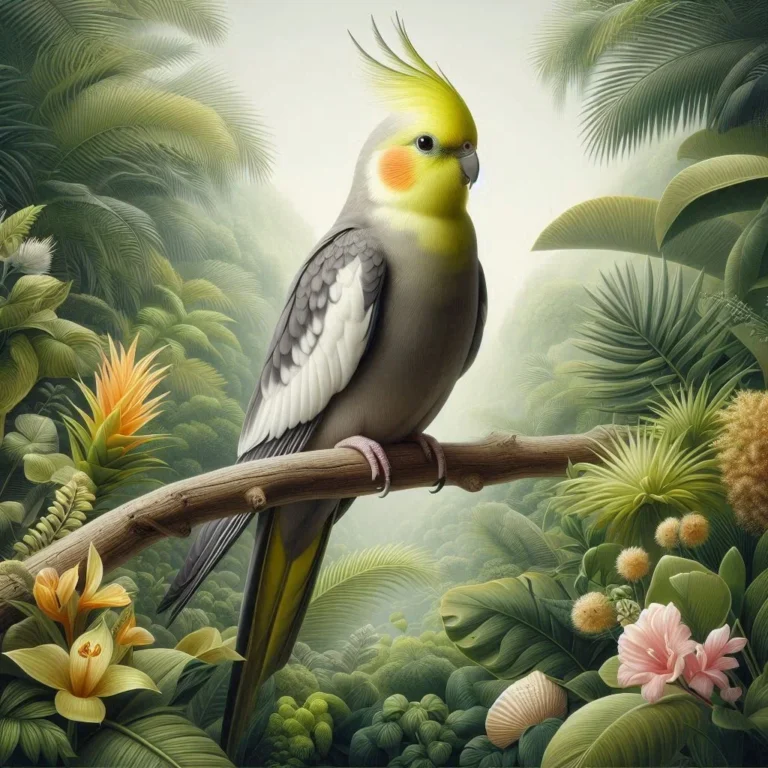
- Cockatiel – Known for their gentle demeanor and ability to mimic human speech, cockatiels form strong bonds.
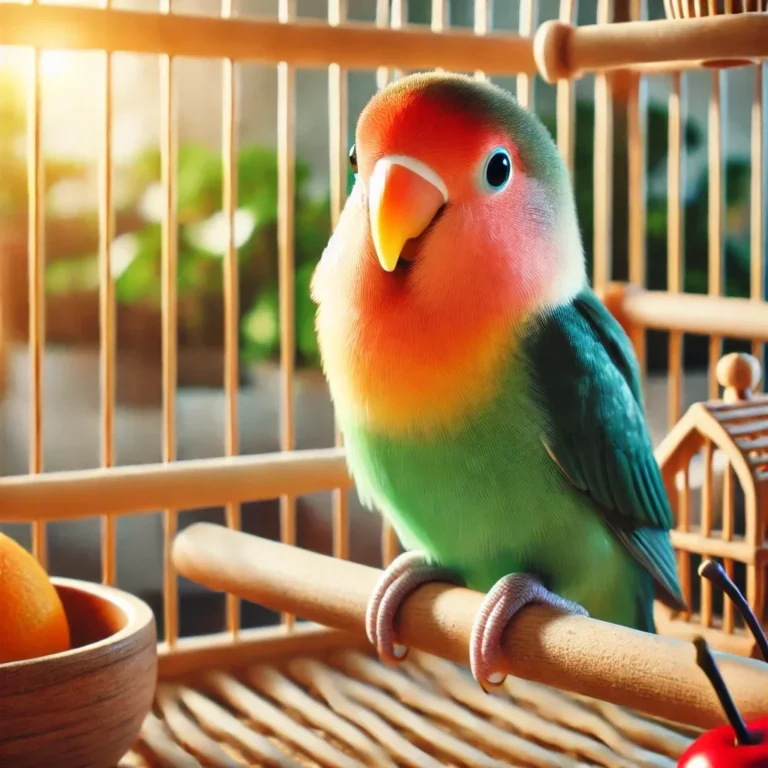
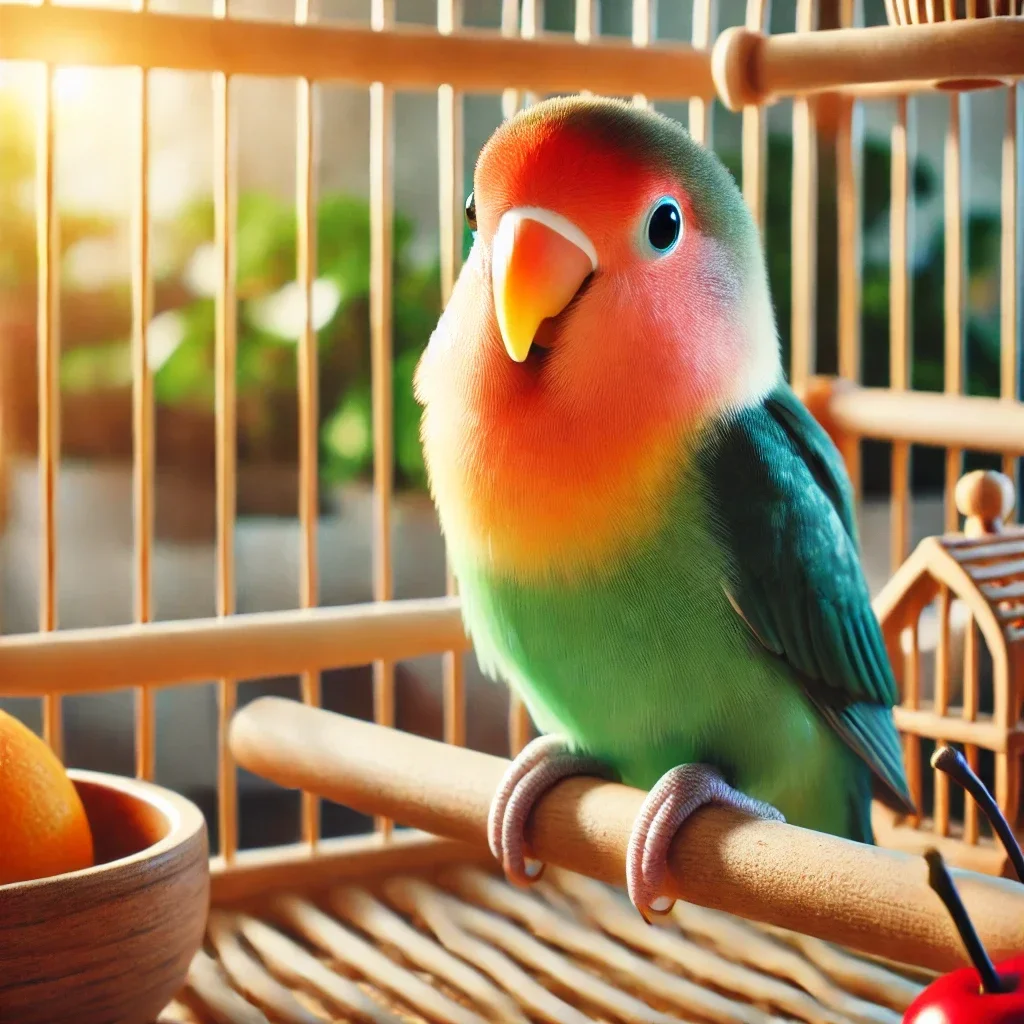
- Lovebird – As the name suggests, lovebirds are affectionate, often forming lifelong pair bonds with their owners.
- African Grey Parrot – Highly intelligent, these parrots develop deep connections and can learn complex tasks.
- Amazon Parrot – Friendly and vocal, Amazon parrots enjoy social interaction and thrive in active households.
For more detailed species profiles, you can refer to the Budgerigar Wikipedia page, the Cockatiel Wikipedia page, and the Lovebird Wikipedia page.
Understanding Their Social Needs
Affectionate pet birds are inherently social creatures. They thrive on interaction, both with humans and, in many cases, with other birds. Key social behaviors include:
- Grooming – Birds often preen each other as a sign of trust and affection.
- Vocalization – Regular chirping and talking back are indicators of a bonded bird.
- Physical Contact – Many species enjoy gentle hand‑taps, head‑bobbing, or even sitting on a shoulder.
Providing a consistent routine and ample time for interaction helps reinforce these bonds. The Avian Medicine Association emphasizes that social enrichment is as vital as nutrition for mental well‑being.
Daily Care and Enrichment
Affectionate pet birds require a balanced diet, clean environment, and mental stimulation. Here are essential daily care practices:
- Nutrition – Offer a mix of high‑quality pellets, fresh fruits, and leafy greens. Avoid avocado, chocolate, and caffeine.
- Water – Fresh water should be available at all times; change it daily.
- Cleaning – Wipe down perches, toys, and the cage interior weekly to prevent bacterial growth.
- Exercise – Allow supervised out‑of‑cage time daily to encourage flight and exploration.
- Enrichment – Rotate toys, provide puzzle feeders, and introduce new scents to keep the bird mentally engaged.
For evidence‑based feeding guidelines, consult the Avian Health Foundation and the Avian Medicine Association resources.
Training Tips for Affectionate Birds
Training not only enhances safety but also deepens the bond between you and your bird. Effective techniques include:
- Positive Reinforcement – Use treats and praise to reward desired behaviors.
- Clicker Training – A clicker marks the exact moment of correct action, speeding learning.
- Consistent Commands – Keep verbal cues short and consistent; repeat them daily.
- Patience – Training sessions should be short (5–10 minutes) to avoid frustration.
Training also reduces anxiety and promotes confidence, which are key components of affectionate behavior. The Avian Medicine Association recommends starting training at a young age for best results.
Health and Longevity of Affectionate Pet Birds
Regular veterinary check‑ups are crucial for early detection of common avian ailments such as feather loss, respiratory infections, and metabolic disorders. Key health practices include:
- Annual Vet Visits – Ensure vaccinations and parasite screenings are up to date.
- Dental Care – Inspect beak shape and trim if necessary to prevent overgrowth.
- Environmental Enrichment – A stimulating environment reduces stress‑related illnesses.
- Monitoring Weight – Maintain a healthy weight to prevent obesity‑related complications.
For comprehensive health guidelines, refer to the Avian Medicine Association and the Avian Health Foundation websites.
Conclusion: Embrace the Joy of Affectionate Pet Birds
Choosing an affectionate pet bird is more than selecting a pet; it’s about welcoming a lifelong companion that will share your daily joys and challenges. By understanding species traits, meeting their social and nutritional needs, engaging in thoughtful training, and prioritizing health, you can create a harmonious environment where both you and your bird thrive.
Ready to find your feathered friend? Contact us today to discover the perfect affectionate pet bird that matches your lifestyle and brings endless companionship to your home.
Frequently Asked Questions
Q1. What makes a bird affectionate?
Affectionate birds typically exhibit social behaviors such as grooming, vocalizing, and seeking physical contact. They thrive on interaction and often bond closely with their owners. Species like budgies, cockatiels, and lovebirds are known for their friendly nature.
Q2. How often should I interact with my pet bird?
Daily interaction is ideal, with at least 15–30 minutes of hands‑on time. Consistent routines help reinforce bonds and reduce anxiety. Out‑of‑cage playtime also encourages natural behaviors.
Q3. What foods should I avoid feeding my affectionate pet bird?
Avoid avocado, chocolate, caffeine, and salty or sugary treats. Stick to a balanced diet of high‑quality pellets, fresh fruits, leafy greens, and clean water. Always research species‑specific dietary needs.
Q4. How can I train my bird to reduce unwanted behaviors?
Use positive reinforcement, clicker training, and short, consistent sessions. Reward desired actions with treats and praise. Patience and repetition are key to building trust.
Q5. When should I schedule a vet visit for my pet bird?
Annual check‑ups are recommended, along with vaccinations and parasite screenings. Early detection of feather loss, respiratory issues, or metabolic disorders can improve longevity and quality of life.