Adorable Pet Birds for Quiet Homes
When you live in a quiet apartment or a serene house, the last thing you want is a pet that constantly shouts for attention. Adorable pet birds can provide the companionship you crave while keeping noise to a minimum. In this guide we explore low‑noise birds, practical bird‑care tips, and how to set up a peaceful indoor aviary that fits snugly into a tranquil lifestyle. Whether you’re a first‑time bird owner or looking to add a gentle feathered friend to a calm household, the options below balance charm, personality, and quiet.
Why Choose Quiet Birds for a Calm Household?
Quiet birds are not only easier on neighbors, they also tend to be less stressful for owners who value a relaxed atmosphere. Low‑noise species typically communicate with soft chirps or gentle whistles instead of the loud squawks that many folks associate with parrots. This makes them ideal for small apartment birds and for families that work from home, study, or simply enjoy uninterrupted evenings. Additionally, quieter birds often require less intensive sound‑proofing measures, saving you time and money while preserving the aesthetic of your living space.
Top Low‑Noise Species
Below is a curated list of bird species that consistently rank among the most suitable for quiet homes. Each entry links to an authoritative source for further reading.
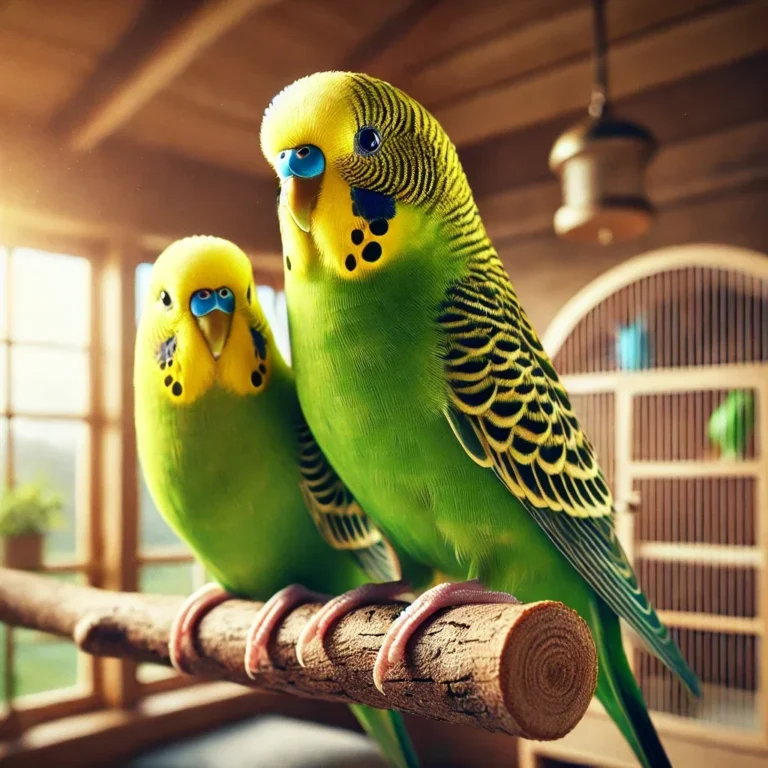
- Budgerigar (Budgie) – A small parakeet known for its melodic chirps and playful demeanor. Budgies are highly social and adapt well to indoor environments.
- Cockatiel – Recognized for its gentle whistling and expressive crests, the cockatiel offers affection without overwhelming volume.
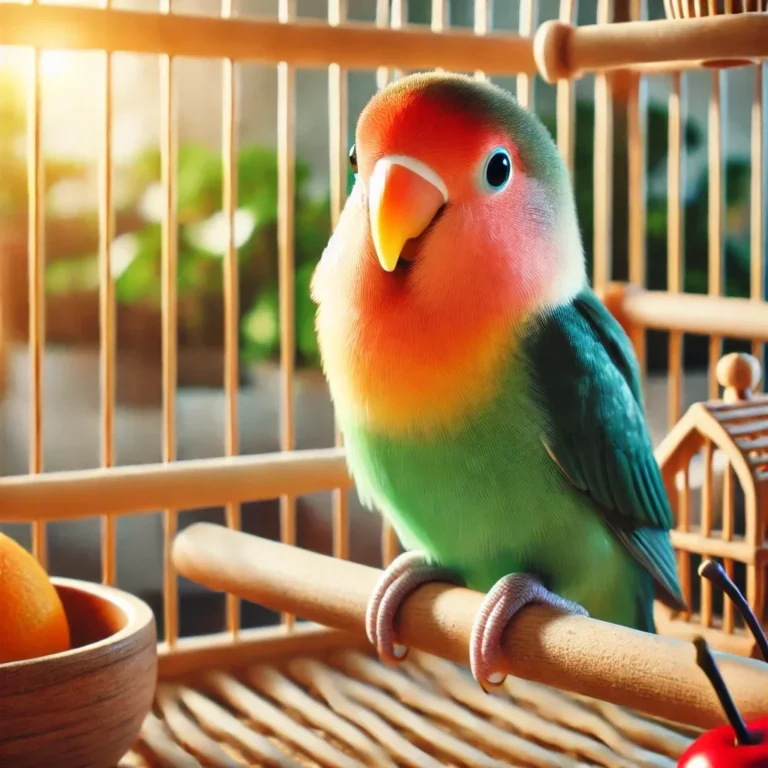
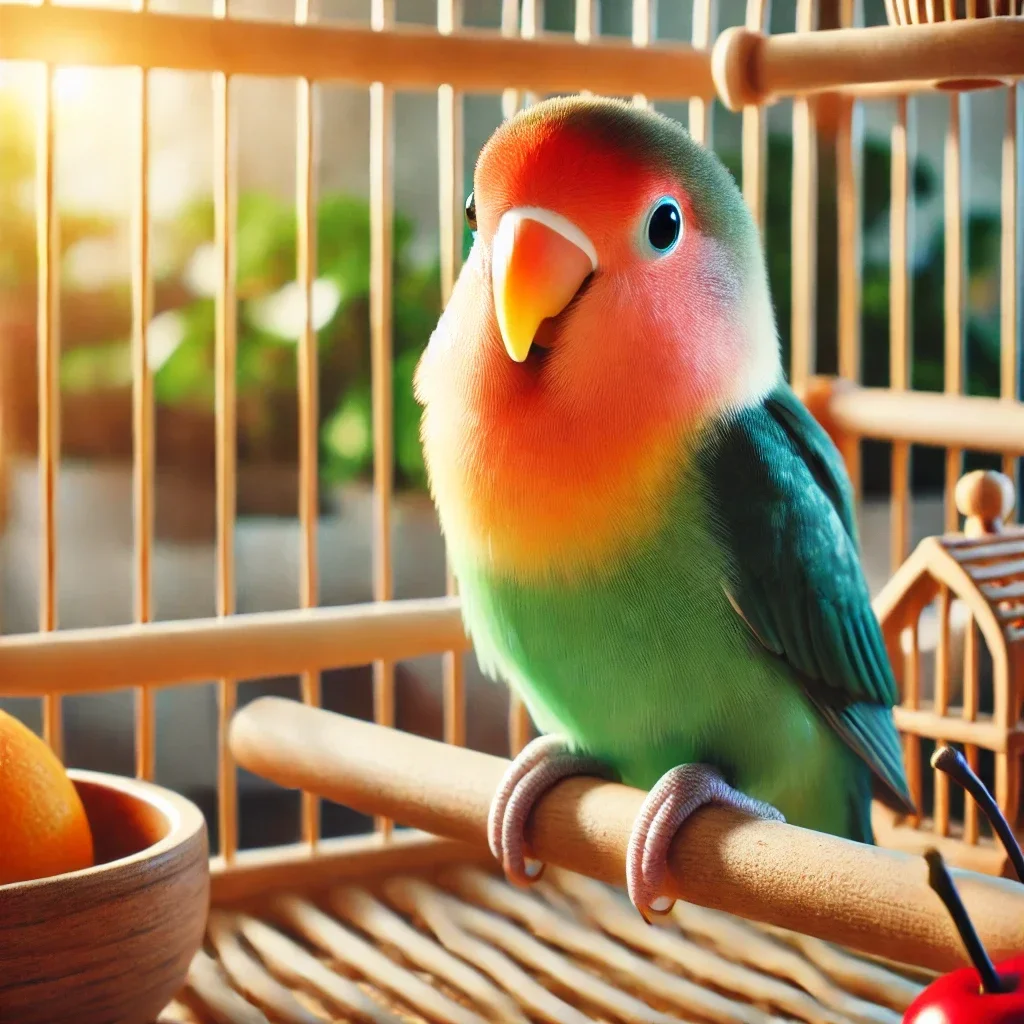
- Lovebird – Despite the name, lovebirds are relatively quiet, communicating with soft twittering that is pleasant rather than disruptive.
- Monk Parakeet – While capable of louder calls, many owners report that individual monk parakeets can be trained to keep vocalizations low, especially when provided with mental enrichment.
- Canary – A classic singer, the canary produces a sweet, tuneful song that is heard more as background music than a startling alarm.
Caring for Your Adorable Pet Birds
Even the quietest bird deserves attentive care to thrive. Core bird care tips include a balanced diet, regular veterinary check‑ups, and social interaction. Offer a mix of high‑quality pellets, fresh vegetables, and occasional fruit to meet nutritional needs. Fresh water should be available at all times, and perches of varying diameters help prevent foot problems.
Enrichment is critical for preventing boredom, which can lead to louder vocalizations. Rotate toys, introduce foraging puzzles, and spend daily time out of the cage for gentle handling. This routine not only calms the bird but also deepens the bond between you and your feathered companion.
Setting Up a Peaceful Aviary Indoors
The design of your bird’s habitat influences both its wellbeing and the overall noise level. Choose a cage with solid walls rather than mesh on all sides; this dampens sound while still providing visibility. Position the cage away from high‑traffic zones—near a window with natural light works well, but avoid direct drafts that could stress the bird.
Adding soft background sounds, such as classical music or nature recordings, can mask occasional chirps and create a soothing environment for both you and your bird. However, keep volume low to avoid overstimulation.
Final Thoughts and Next Steps
Choosing the right quiet pet bird can transform a tranquil home into a vibrant yet peaceful space. By selecting low‑noise species, providing proper care, and designing a calm aviary, you ensure years of companionship without compromising serenity. Ready to welcome an adorable feathered friend into your quiet sanctuary? Explore our detailed species guides, start a conversation with a local avian veterinarian, and take the first step toward a harmonious home today.
Frequently Asked Questions
Q1. Which birds are truly quiet for an apartment?
Budgerigars, cockatiels, lovebirds, canaries, and some monk parakeets are among the quietest species. They chirp softly rather than squawk loudly. Their small size also helps keep noise levels low. Regular interaction can further reduce vocal outbursts.
Q2. How can I keep my bird from becoming noisy?
Provide mental enrichment through toys, foraging puzzles, and daily out‑of‑cage time. A balanced diet and regular health checks prevent discomfort that can trigger loud calls. Consistent routine and gentle training reinforce calm behavior.
Q3. Do quiet birds need a lot of space?
Even low‑noise birds benefit from a spacious cage with horizontal room for flight. Aim for at least 18×18×18 inches for a budgie and larger for cockatiels. Adding perches and play areas enhances wellbeing without increasing noise.
Q4. Is soundproofing necessary for a quiet bird?
Typical indoor cages with solid side panels already dampen sound. Position the cage away from high‑traffic areas and use soft background music if desired. Full soundproof rooms are rarely needed for the species listed.
Q5. How often should I clean my indoor aviary?
Spot‑clean daily by removing waste and changing water. Perform a thorough deep clean weekly, replacing liners and sanitizing perches. Regular cleaning keeps the environment healthy and reduces stress‑related noise.