Adorable Cats Perfect for Indoors
Adorable Cats are more than just cute companions; they’re a lifestyle choice for anyone looking to add a touch of feline grace to their home. Whether you’re a busy professional, a student, or a senior living alone, the right indoor cat can bring joy, reduce stress, and even improve your overall well-being. In this guide, we’ll explore the top breeds that thrive indoors, highlight their unique personalities, and share practical tips to keep them happy and healthy. By the end, you’ll know exactly which Adorable Cats are ideal for indoor life and how to welcome them into your family.
Adorable Cats: Maine Coon
The Maine Coon is often celebrated for its gentle temperament and striking appearance. Despite its large size—often weighing between 13 and 18 pounds—this breed is surprisingly low-maintenance indoors. Their thick, water-resistant coat requires only a weekly brushing, making them a great choice for those who want a luxurious look without daily grooming. Maine Coons are known for their friendly, dog-like behavior; they enjoy interactive play and often follow their owners from room to room. According to the Maine Coon Wikipedia page, they are also highly adaptable, which is essential for indoor living.
Adorable Cats: British Shorthair
The British Shorthair’s round face and dense coat give it a distinctly “purr‑worthy” charm. This breed is renowned for its calm, laid‑back demeanor, making it an excellent indoor companion for families with children or other pets. British Shorthairs are not overly demanding; they enjoy short play sessions and are content to lounge in a sunny spot. Their short coat requires minimal grooming—just a quick brush a few times a week. The British Shorthair Wikipedia entry notes that they are generally healthy, with a lifespan of 12 to 15 years, which aligns well with long-term indoor care.
Adorable Cats: Ragdoll
Ragdolls are famous for their docile nature and striking blue eyes. When you pick them up, they often go limp—hence the name—making them a favorite for people who enjoy cuddling. Their semi-long coat is silky but easy to maintain; a weekly brushing keeps shedding under control. Ragdolls thrive on human interaction and are less likely to develop anxiety when left alone for short periods. The Ragdoll Wikipedia article highlights their affectionate personality, which is ideal for indoor environments where companionship is key.
Adorable Cats: Exotic Shorthair
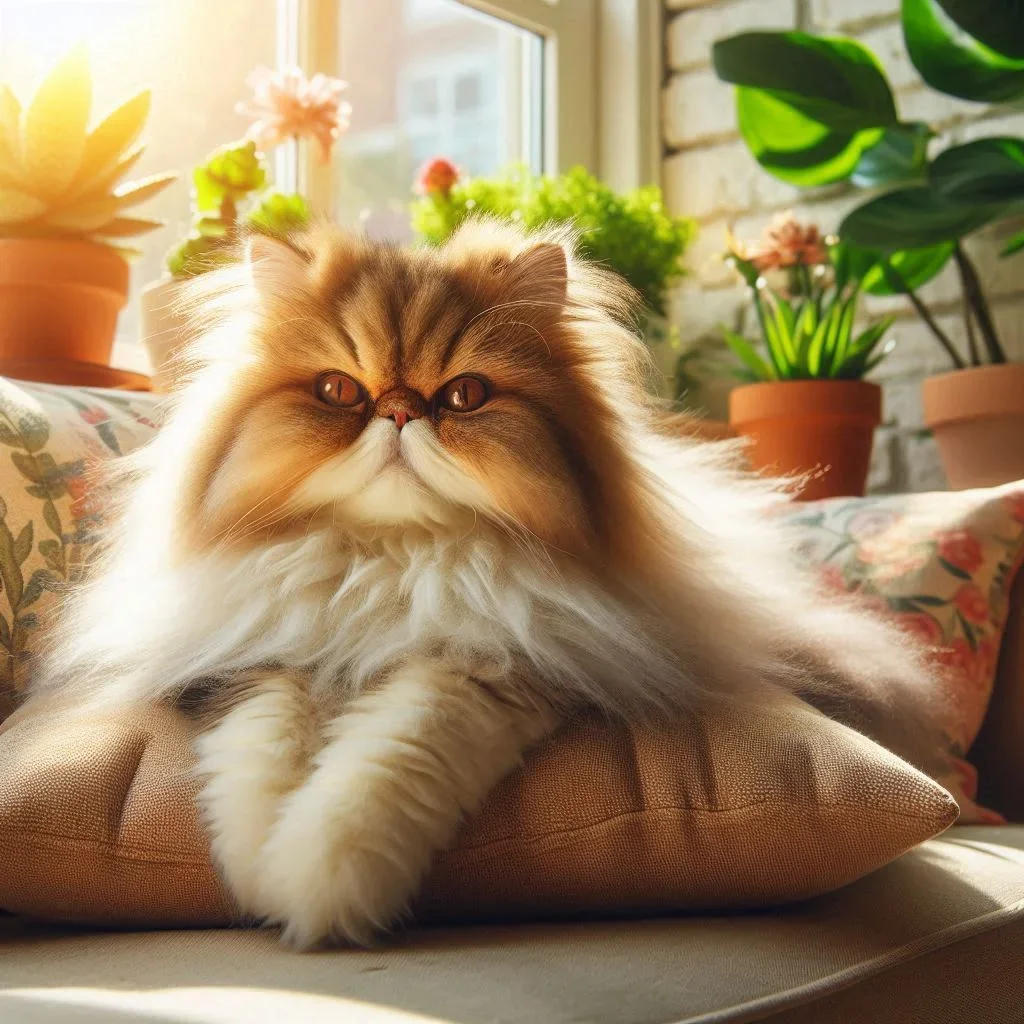
For those who love the look of a Persian but want a more manageable coat, the Exotic Shorthair is a perfect match. This breed combines the Persian’s round face and sweet disposition with a short, dense coat that requires minimal grooming. Exotic Shorthairs are known for their calm, affectionate nature and are less prone to shedding, making them suitable for households with allergies. Their moderate activity level means they enjoy short bursts of play and plenty of quiet time. The Exotic Shorthair Wikipedia page confirms their suitability for indoor life, especially for families seeking a low-maintenance yet loving cat.
Choosing the Right Adorable Cat for Your Home
When selecting an indoor cat, consider the following factors:
- Activity Level: Some breeds, like the Maine Coon, are more energetic, while others, such as the British Shorthair, prefer a relaxed pace.
- Grooming Needs: Long-haired breeds require regular brushing; short-haired breeds need less maintenance.
- Temperament: Look for cats that are sociable and adaptable to indoor environments.
- Health Considerations: Choose breeds with a lower risk of genetic health issues.
Essential Indoor Cat Care Tips
To keep your Adorable Cats thriving indoors, follow these best practices:
- Provide a Balanced Diet: Feed high-quality cat food that meets the AAFCO standards. The Cat Food Association guidelines can help you choose the right nutrition.
- Maintain a Clean Litter Box: Scoop daily and change litter weekly to prevent odors and encourage proper use.
- Offer Enrichment: Use puzzle feeders, interactive toys, and vertical spaces like cat trees to stimulate mental and physical activity.
- Regular Vet Checkups: Schedule annual exams and vaccinations. The Cornell University College of Veterinary Medicine provides comprehensive resources on feline health.
- Spay or Neuter: This reduces the risk of certain cancers and helps control the pet population.
Addressing Common Indoor Cat Challenges
Even the most well-behaved cats can face indoor challenges. Here are solutions for common issues:
- Scratching: Provide scratching posts and use deterrent sprays on furniture.
- Weight Management: Monitor portion sizes and encourage play to prevent obesity.
- Behavioral Anxiety: Use pheromone diffusers and maintain a consistent routine.
- Allergies: Choose hypoallergenic breeds and keep indoor air clean.
Conclusion: Embrace the Joy of Adorable Cats Indoors
Adorable Cats are more than just pets; they’re companions that enrich our daily lives. By selecting a breed that aligns with your lifestyle—whether it’s the playful Maine Coon, the serene British Shorthair, the affectionate Ragdoll, or the low-maintenance Exotic Shorthair—you can create a harmonious indoor environment that benefits both you and your feline friend. Remember to provide proper nutrition, regular veterinary care, and plenty of mental stimulation to keep your cat healthy and happy. Ready to welcome an Adorable Cat into your home? Start your search today and experience the unconditional love and companionship that only a well-suited indoor cat can offer. Adopt, don’t shop—find your perfect indoor companion now!
Frequently Asked Questions
Q1. What makes a cat suitable for indoor living?
Indoor cats thrive on a stable environment, regular feeding, and mental stimulation. They should be comfortable with litter boxes, enjoy interactive play, and adapt well to household routines. Breeds like Maine Coon, British Shorthair, Ragdoll, and Exotic Shorthair are known for their calm, adaptable nature, making them ideal for indoor settings.
Q2. Which breeds are best for families with children?
British Shorthairs and Ragdolls are excellent choices for families with kids due to their gentle temperament and low maintenance. They tolerate gentle handling and enjoy quiet companionship. Their calm demeanor reduces the likelihood of overstimulation or aggression.
Q3. How often should I groom my indoor cat?
Short‑haired breeds like the British Shorthair need a quick brush a few times a week, while long‑haired breeds such as the Maine Coon require weekly brushing to prevent matting. Regular grooming also helps reduce shedding and keeps the coat healthy. A routine of 2–3 minutes per session is usually sufficient.
Q4. What are common health issues to watch for in indoor cats?
Indoor cats can develop obesity, dental disease, and urinary tract problems if diet and exercise are not managed. Regular vet checkups, a balanced diet, and adequate playtime help mitigate these risks. Monitoring litter box habits and weight can catch early signs of health issues.
Q5. How can I prevent indoor cats from developing anxiety?
Maintain a consistent daily routine, provide safe hiding spots, and use enrichment tools like puzzle feeders and cat trees. Pheromone diffusers and calming music can also reduce stress. Regular interaction and gentle play help keep your cat mentally engaged.