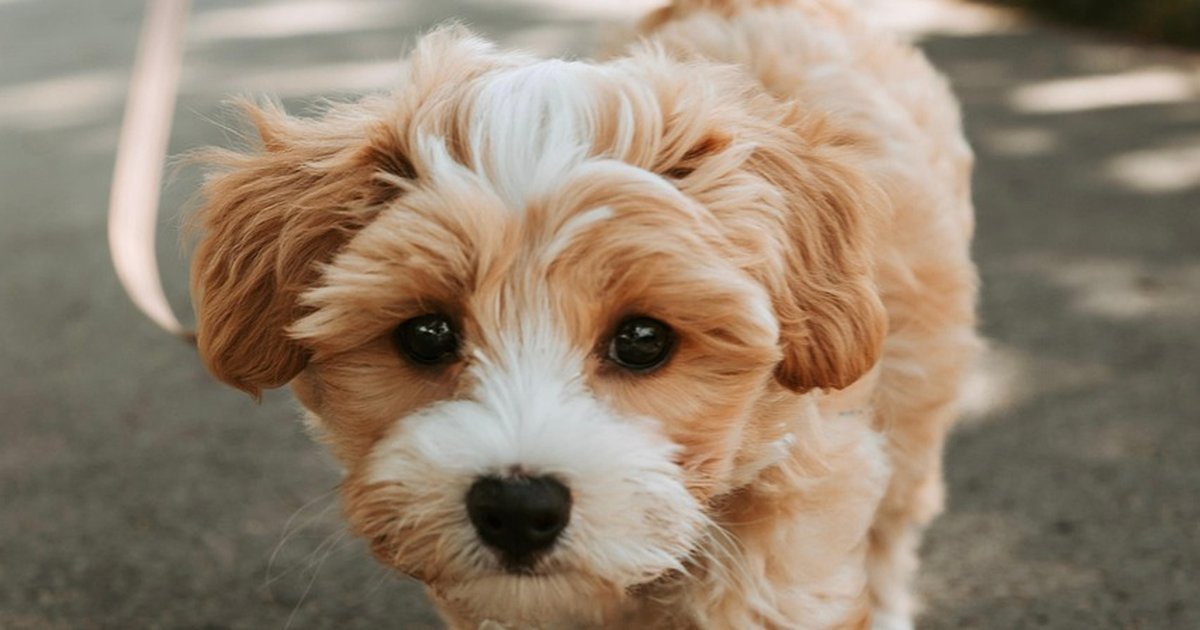
Leash Training a Puppy: Stop Pulling the Gentle Way
Walks should be one of the best parts of your day with your dog. But if your puppy pulls, zigzags, sits down and refuses to move, or bites the leash, they can quickly become stressful. The good news is that walking nicely on a loose leash is a skill, and like every skill it can be taught. Starting early, using rewards and keeping sessions short will help your puppy grow into a pleasant walking companion.
When to Start Leash Training
You can start getting your puppy used to a collar or harness and leash at home within days of bringing it home. Outdoor walks on public ground usually begin once your vet confirms your puppy’s vaccinations are complete, but the indoor groundwork can start much earlier. Our guide to the puppy vaccination schedule explains when outdoor walks are generally considered safe.
Choosing the Right Equipment
Collar or Harness?
A flat collar is useful for holding an ID tag, but many trainers prefer a well-fitted harness for walking puppies, especially small breeds and breeds with flat faces. A harness spreads pressure across the chest rather than the neck. Front-clip harnesses, where the leash attaches at the chest, can gently turn a pulling dog back towards you.
The Leash
A standard leash of about 1.5 to 2 metres is ideal for training. Avoid retractable leashes while teaching loose-leash walking, because they reward pulling: the dog pulls and gets more length.
What to Avoid
Choke chains and prong collars rely on discomfort and can cause injury and fear. Positive, reward-based methods work well and protect your relationship with your puppy.
Step 1: Get Used to the Harness
Show your puppy the harness, let it sniff and give a treat. Put it on for a few seconds during a meal or play, then take it off. Gradually increase wearing time. Some puppies scratch or freeze at first; distract them with a game and they usually forget about it quickly.
Step 2: Leash Inside the House
Clip on the leash and let your puppy drag it around under supervision for short periods. Then pick up the end and follow your puppy around. Next, call your puppy to you, take a step or two backwards and reward when it follows. You are teaching that the leash means fun and treats, not restriction.
Step 3: Reward the “Sweet Spot”
Decide which side you want your puppy to walk on and keep treats in the hand on that side. Each time your puppy is beside your leg with the leash loose, mark it with a word like “yes” and give a small treat right at your leg. Take a few steps, reward again. Early on, reward very often – even every step or two. Over days and weeks, ask for more steps between rewards.
Step 4: Stop When the Leash Gets Tight
Pulling works for dogs because it gets them where they want to go faster. To change that, make pulling stop progress. When the leash becomes tight, stop walking and stand still like a tree. Wait. The moment your puppy looks back or the leash loosens, mark and reward, then continue. Another option is to turn around and walk in the opposite direction, rewarding your puppy when it catches up.
Step 5: Take It Outside Gradually
The outdoors is full of exciting smells, sounds and people. Start in a quiet place, such as an empty lane early in the morning, before trying busy streets or markets. Expect your puppy’s skills to drop in new places; just make the session easier and reward more often.
Dealing With Common Problems
My Puppy Sits Down and Will Not Walk
This is common in young puppies who feel unsure. Do not drag your puppy. Crouch down, encourage it happily, and reward even a single step. Short, cheerful sessions build confidence.
My Puppy Bites the Leash
Leash biting is often play or frustration. Carry a toy to redirect the biting, or swap to a less tempting leash. If biting is a wider problem, read our guide to training a puppy not to bite.
My Puppy Lunges at Other Dogs
Create distance, reward calm looking and move on before your puppy becomes overexcited. Enrol in a positive training class if this continues.
Let Your Puppy Sniff
Sniffing is how dogs read the world, and it is mentally tiring in a good way. Use a cue such as “go sniff” to give your puppy permission to explore on a loose leash for a few minutes, then use “let’s go” to continue walking. Mixing structured walking with sniff breaks keeps walks enjoyable for both of you.
How Long Should Puppy Walks Be?
Young puppies tire quickly and their joints are still developing. Keep walks short and let your puppy rest when it wants to. Training a few minutes at a time, several times a day, is far more effective than one long session. Ask your vet how much exercise suits your puppy’s breed and size.
Consistency Across the Family
If one person lets the puppy pull and another stops every time the leash goes tight, the puppy will learn that pulling sometimes works. Agree as a family on the same rules, the same cue words and the same side for walking. Write the cues on a note near the door so everyone, including visiting relatives and dog walkers, uses them. Consistency is what turns training into a lasting habit.
FAQ
How long does leash training a puppy take?
Most puppies learn the basics in a few weeks with daily practice, but walking politely in busy places can take months of consistent training.
Should I use a collar or a harness for my puppy?
A well-fitted harness is often more comfortable for walking and reduces pressure on the neck. A collar is still useful for carrying an ID tag.
Why does my puppy pull so much?
Puppies pull because it gets them to interesting things faster. Stopping when the leash is tight and rewarding a loose leash teaches a better habit.
Can I use a retractable leash for training?
It is best to avoid retractable leashes while teaching loose-leash walking, because they reward pulling with extra length.