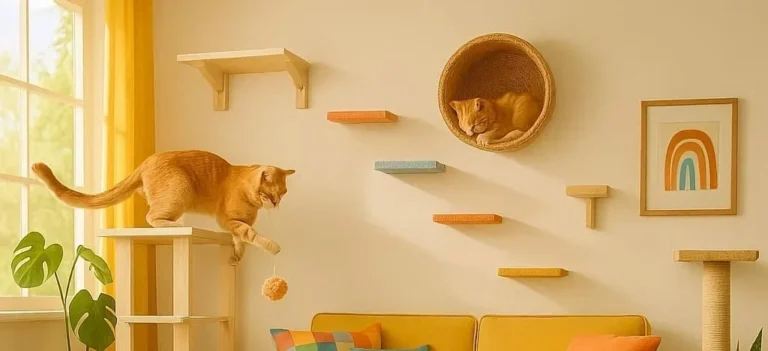
How Often to Feed Your Cat
keeping a consistent feeding routine is essential for maintaining your cat’s optimal health and well‑being. Whether you’re a first‑time feline parent or a seasoned vet, asking “How often should you feed your cat” is a common question that can have a profound impact on your pet’s digestion, weight, and overall vitality. This guide breaks down the science behind feeding schedules, age‑specific needs, food types, and weight management strategies to help you create a balanced diet tailored to your cat’s unique lifestyle.
Factors Influencing Feeding Frequency
While many pet owners default to two meals per day, the exact number of feedings depends on a variety of factors specific to each cat. Key considerations include the cat’s age, activity level, metabolism, and any health conditions such as thyroid disease or diabetes that may alter dietary requirements. According to the AVMA, adult cats do best on moderate, nutrient‑dense meals, whereas kittens and senior cats may benefit from more frequent, less caloric portions due to their higher energy needs and slower digestion.
Another critical factor is the type of food you provide. Dry kibble typically encourages less frequent feeding due to its higher glycemic load, while wet food, with its lower carbohydrate content and higher water content, can comfortably support more frequent portions. Understanding these dynamics helps you determine whether an twice‑daily schedule suffices or if breaking meals into multiple smaller portions makes sense.
Age‑Specific Feeding Guidelines
Age is an undeniable determinant in how often a cat should eat. Kittens, who grow rapidly and expend a great deal of energy building muscle and bone, usually require 3-5 meals a day. The American Association of Feline Practitioners suggests that kittens under six months old be fed every 3-4 hours; adults around 1-2 years old do well with 2-3 meals daily. Senior cats, especially those over 10, often suffer from decreased appetite and digestive sluggishness, and three small meals spread over the day can help maintain blood sugar levels and prevent strain on their kidneys.
For borderline cases where a cat’s health makes standard guidelines challenging, consult a board‑certified veterinarian. If your pet has chronic kidney disease or gastrointestinal sensitivity, tailored meal frequencies—such as free‑feeding (continuous access) or scheduled micro‑portions—can be managed under clinical supervision.
The Role of Dry vs. Wet Food in Meal Scheduling
Dry and wet laboratory analyses show that each has distinct impacts on a cat’s daily intake. Dry food, being energy‑dense and easier to measure, lends itself well to portion control. A single 1‑cup serving of high‑quality dry kibble often equals the calories in 1-1.5 cups of wet food. Cats on a dry‑food regimen will typically need two meals to avoid over‑eating. Wet food, rich in moisture, can be combined with dry kibble, or used alone if your cat prefers. Because wet food has fewer carbohydrates, it reduces the risk of overeating and assists in water intake—a benefit highlighted by the WHO in discussions on animal hydration.
If you’re uncertain which route to take, a hybrid schedule—two wet meals in the morning and one dry meal in the evening—can provide balanced nutrition while accommodating your cat’s taste preferences. Make sure to pre‑measure portions to avoid accidental excess and monitor for weight fluctuations.
Monitoring Weight and Adjusting Meals
Cat owners often rely on their sense of touch to gauge a cat’s weight: you should feel the ribs with a light pressure, but not see them. Regular weight checks, especially during growth spurts or aging phases, allow you to tweak meal frequency. A simple strategy is to use a food scale or online feeding calculator—many are available from the Merck Veterinary Manual—to adjust calorie intake while keeping the number of feedings steady.
Below is a step‑by‑step plan to help adjust feeding schedules based on weight progress and appetite changes:
- Weigh your cat at the same time each week.
- Record total daily calories (kcal).
- Adjust the portion per meal if weight deviates by more than 3% from the target.
- Change meal frequency only if clinically indicated (e.g., GI upset or lethargy).
- Consult a vet if unexpected weight loss or gain persists.
Incorporating a routine of scheduled mealtimes—morning, midday, and evening—alongside a consistent amount of food not only supports healthy digestion but also establishes behavior patterns that reduce anxiety and begging.
Common Feeding Myths Debunked
Many pet owners mistakenly equate “frequent feeding” with “better health.” While regular meals can aid digestion, over‑feeding—even with healthy food—can lead to obesity and associated illnesses such as insulin resistance. The Society for Compassionate Animals emphasizes that quality, not quantity, of food is paramount.
Another myth suggests that cats must sit at a bowl for a long time. Cats are natural hunters; giving them small, consumable portions encourages the natural act of feeding at their pace, thereby preventing gulp eating and potential bloating.
Tailoring Feeding Schedules for Special Needs
Cats with medical conditions—thyroid hyperthyroidism, diabetes, or renal disease—often require precise caloric distribution across the days. For instance, diabetic cats benefit from smaller, evenly spaced meals to maintain blood glucose stability. Retired veterinarians recommend three balanced meals for diabetic felines, coupled with a glucose monitor if training is for owners.
For queens in heat, or cats who are pregnant or nursing, increased protein requirements and a reduced feeding interval upper limit to avoid over‑stress during lactation. A veterinary nutritionist can create a customized plan that ensures both mother and kittens receive adequate nutrients.
Conclusion: Build a Balanced Routine Today
Ultimately, the best feeding frequency for your cat strikes a balance between scientific guidance, individual health needs, and your daily lifestyle. Start by selecting a meal schedule that aligns with your cat’s age, activity level, and any medical considerations. Monitor weight, adjust portions, and maintain a consistent routine to empower your cat’s wellbeing.
Take the first step toward a healthier, happier cat. Create a feeding checklist, monitor progress weekly, and consult your veterinarian today for a personalized feeding blueprint. Your cat’s future self will thank you for the dedication to a well‑structured diet.