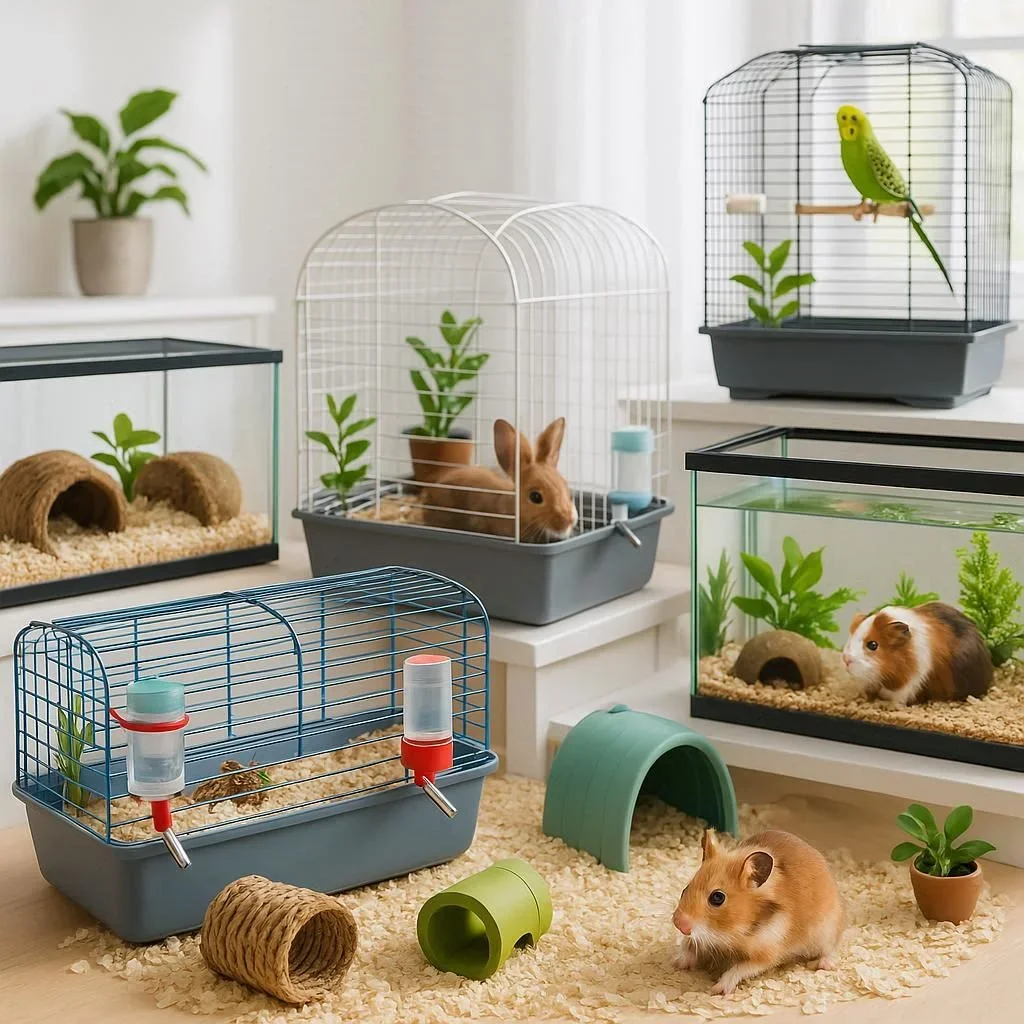
Pet Birds for Small Apartments
Pet birds for small apartments have surged in popularity as more people seek low‑maintenance, lovable companions that fit living in tight spaces. The primary benefit of choosing a small bird species is that they require less room than mammals and can thrive in a single room with proper care. In this guide we’ll explore what makes a bird suitable for compact apartments, how to choose the right species, and practical tips for creating a bird‑friendly environment. By following these evidence‑based recommendations, you’ll create a safe & enriching haven for your feathered friend while maintaining a comfortable living space.
Understanding Space Constraints
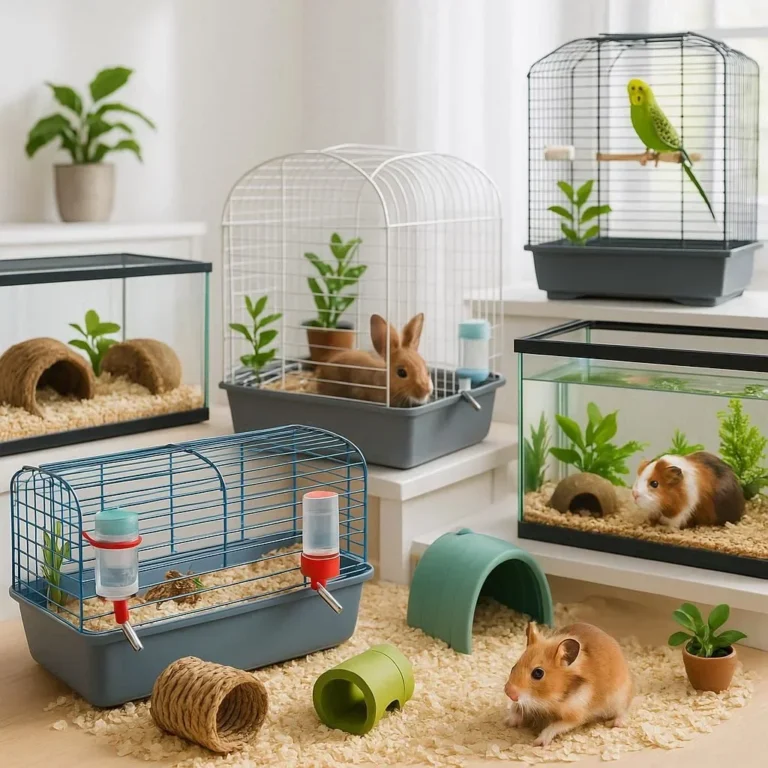
Before adopting a pet bird, assess your apartment’s layout. The cage size should be at least 18 inches tall, 20 inches wide, and 20 inches deep for most small parrots, providing enough room for the bird to stretch. For birds that prefer outdoor exposure, a balcony with a secure enclosure is an excellent extension of indoor space. Leaning on vertical storage—such as filing cabinets or wall shelves—maximizes floor area while keeping the cage elevated and out of the way.
Choosing the Right Bird Species
Species selection is critical because not every bird is apartment‑ready. The following table lists popular, apartment‑friendly species with rationale and care considerations.
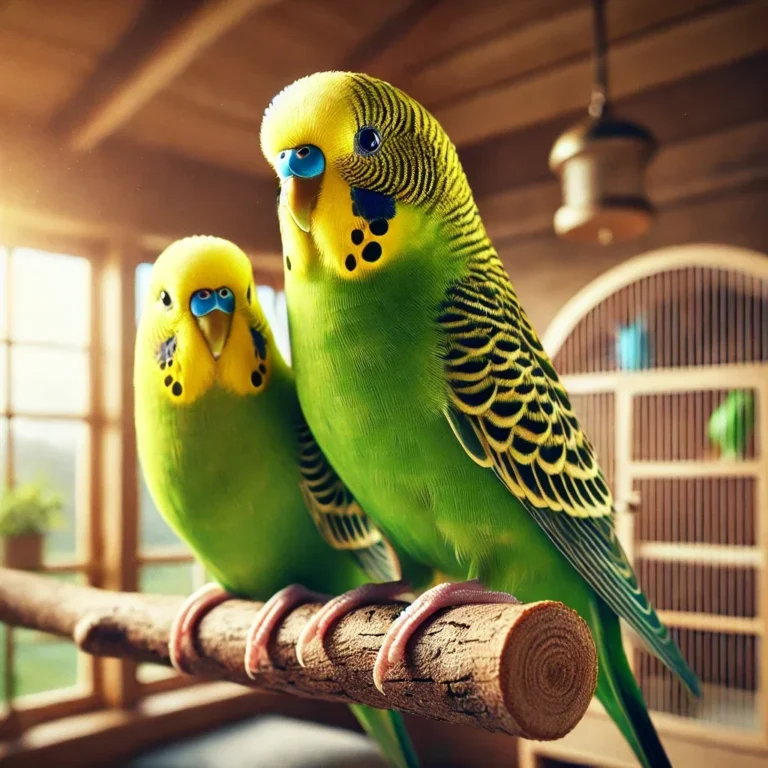
- Budgerigar – Small, sociable, and easy to train; ideal for beginners. Budgerigar
- Cockatiel – Friendly, longer lifespan, and good for moderate‑sized cages. Cockatiel
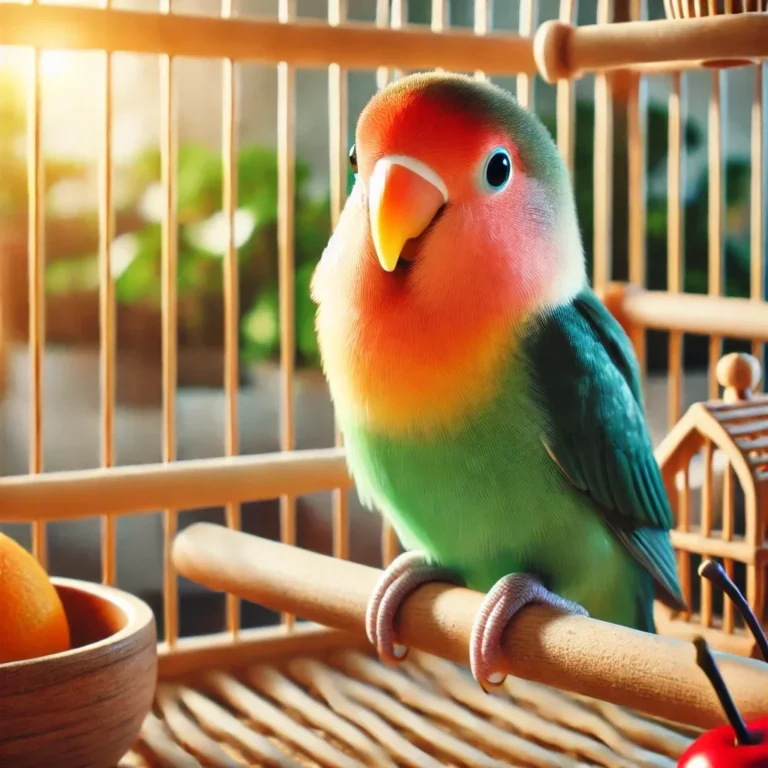
- Lovebird – Energetic and pair‑friendly; requires a bit more exercise. Lovebird
- Parakeet – Medium wing span, robust, and can handle a bit more space. Parakeet
Each species comes with its own weight, exercise, and noise allowances. Visitors from the U.S. Fish & Wildlife Service recommend selecting a bird that can comfortably rotate its wings and exercise safely within your available square footage. FWS Resources on Bird Care
Designing a Bird‑Friendly Apartment
Cage placement matters for both the bird’s welfare and your residents. Position the cage on a stable, flat surface away from direct drafts and high‑traffic areas to reduce stress. Use non‑toxic, UV‑stable plants or décor that offers natural ornamentation without posing a hazard—birds may peck at low‑quality materials. Consider installing a sound‑proofing mat under the cage, as many parrots chirp more than you might think.
Implement a rotating schedule for outdoor check‑ins or exercise time on a balcony. A safety net and wind break can allow a bird to stretch its wings without the risk of falling. Two approaches help reduce noise concerns: keep the cage at the center of a quiet room with sound‑absorbing curtains, and use a cage mat to catch perches and reduce head‑butting sound.
Daily Care and Enrichment
To keep a small apartment avian healthy and happy, follow these routine guidelines:
- Feed a balanced diet with fresh greens, cut‑fruit, and a high‑protein seed mix.
- Provide fresh water daily; use a water bottle to prevent spills.
- Clean the cage bottom and rotate perches at least weekly.
- Offer puzzle toys that hide treats to stimulate cognition.
- Enable outdoor exposure or deliberate exercise for at least 30 minutes each session.
Monthly vet check-ups with a veterinarian experienced in avian medicine—such as Texas A&M’s Avian Health Center—ensure early detection of common conditions like feather loss or respiratory infections. American Veterinary Services on Avian Health
Health & Safety in Small Apartments
The risk of a bird escaping is elevated in apartments due to cracked windows or open balconies. Secure all windows with child‑proof locks that also restrict bird access. Use harnesses for supervised outings but ensure the harness fits snugly & has a good safety lock. Deer insect repellent or diluted citrus sprays keep pests—especially flies and moths—out of the feed area. Regularly replace perches with varied textures and diameters to protect toe health.
Final Thoughts & Call to Action
Pet birds for small apartments can provide companionship, joy, and a splash of nature to your indoor environment. By understanding space needs, species suitability, and daily enrichment, you’ll create a thriving, stress‑free home for your feathered family member. Ready to embrace feathered companionship?