Most Trainable Cat Breeds Guide
When you think of trainable pets, dogs often come to mind first, but cats can be remarkably teachable—especially certain breeds. Understanding which cats have the temperament and propensity for learning is a key factor for pet owners seeking active companionship or specialized roles, such as therapy or service animals. In this comprehensive guide, we’ll walk you through the most trainable cat breeds, the science behind their cooperative nature, and practical tips for training success.
Why Breed Matters in Cat Training
Each cat breed carries a genetic blueprint that influences personality traits like curiosity, perseverance, and responsiveness to rewards—critical components for training effectiveness. According to studies published in the Frontiers in Behavioral Neuroscience, breeds with high exploratory drive and low fear of novel stimuli perform better in conditioning tasks. The following chapters explore how these inherent traits translate into practical training scenarios.
Top 5 Most Trainable Cat Breeds
- Bengal – Known for their playful energy and high intelligence, Bengals thrive on interactive toys and structured play sessions. Their natural curiosity turns training sessions into engaging experiences.
- Siamese – Social and vocal, Siamese cats respond well to verbal cues. Their desire for companionship drives them to please owners, making obedience training more rewarding.
- Maine Coon – Gentle giants with a regal demeanor, Maine Coons are patient with training, especially positive reinforcement and clicker techniques, thanks to their easy-going nature.
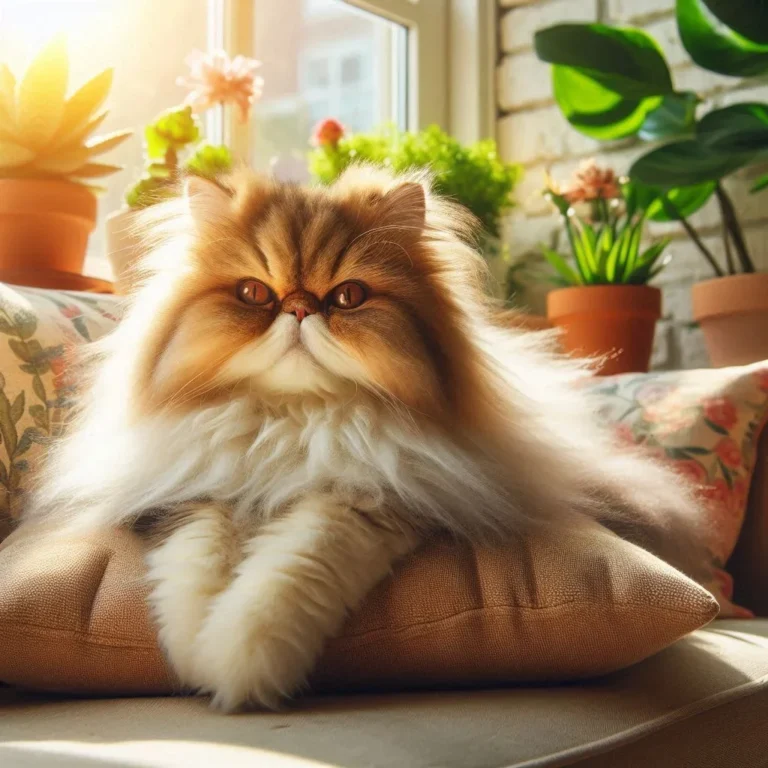
- <strong=Persian
— Classical and calm, Persians appreciate gentle, routine training. Their low-stimulation needs can be met with short, focused sessions that avoid overstimulation. - Sphynx – Hypoallergenic yet highly curious, Sphynx cats love to engage with humans, making them ideal candidates for role‑playing, memory games, and custom treat-based tasks.
Essential Training Techniques for Cats
Training cats requires patience, consistency, and the right motivational tools. Here are five evidence-based techniques that work across breeds:
- Positive Reinforcement – Rewarding desired behaviors with treats, petting, or play, as suggested by the Cat Fanciers’ Society guidelines, reinforces learning while building trust.
- Clicker Training – The click sound serves as a precise marker, letting cats associate the cue with the reward almost instantly. Clicker training has proven effective in species like Bengal and Siamese.
- Target Training – Using a small stick or finger, the cat learns to touch the target. This method is especially useful in creating complex obstacle courses that test agility—and train the cat’s attention.
- Schedule Consistency – Cats feel more secure when training occurs at predictable times. Daily short sessions (5–10 minutes) maintain engagement without causing fatigue.
- Socialization Sessions – Exposing cats to different environments, sounds, and people reduces fear and improves adaptability—critical for service or therapy roles.
Training Tips for Each Top Breed
While the methods listed are broadly applicable, each breed benefits from a tailored approach. Below are specific strategies for each of the five most trainable breeds.
- Bengal – Pair training with puzzle feeders. The active mindset of Bengals makes interactive feeders a natural extension of playtime. Use high-value treats to keep motivation high.
- Siamese – Leverage their vocalization tendency. Teach them simple words like “sit” or “stay,” and reward with their favorite treats. Incorporate gentle talking to reinforce positive associations.
- Maine Coon – Due to their size, introduce harness training early for those embarking on outdoor adventures. Use positive talk and treat baits to build trust and reduce anxiety.
- Persian – Keep training sessions low intensity. Use soft fabrics and warm lighting to satisfy their calm preference. Treats like small bits of chicken or tofu can be effective rewards.
- Sphynx – Their skin and lack of fur make them prone to temperature fluctuations. Use water‑based rewards like yogurt or chilled treats. Sphynxes respond well to command by touch and body language.
Common Training Challenges and How to Overcome Them
Even the most trainable breed can face obstacles such as:
- Disinterest in Treats – Experiment with a variety of treats; some cats prefer protein-rich rewards, others enjoy sweet options.
- Fear of Novel Sounds – Assess the noise level during training and gradually introduce louder stimuli while maintaining a safe environment.
- Energy Overload – Short, varied sessions keep intensity balanced, preventing overstimulation or frustration.
- Limited Attention Span – Incorporate quick signal cues and immediate rewards to keep the cat focused.
Potential Use Cases: Therapy, Service, and Household Assistance
Beyond everyday companionship, well‑trained cats can serve vital roles:
- Therapy animals for stress relief in hospitals or schools, particularly Siamese and Bengal due to their social nature.
- Service cats accompanying individuals with sensory impairments, where calm breeds like Maine Coon excel.
- Household assistant cats guiding toddlers away from hazardous areas, employing focused obedience techniques.
Getting Started: Choosing Your Training Toolset
Here’s a quick checklist for owners preparing to train any of the most trainable cat breeds:
- Clicker or small ball for clicker training.
- High-value treats (chicken, tuna, or commercially available cat treats).
- Leash and harness for outdoor training.
- Puzzle feeders and interactive toys (to satisfy Bengal curiosity).
- Scratching posts and calm, textured surfaces (to maintain Persian comfort).
Conclusion: Your Path to a Cooperative Cat Companion
Choosing a cat from the list of most trainable breeds can dramatically amplify the bond between you and your feline friend. These breeds not only thrive on learning but also bring unique personalities that harmonize well with structured training. By employing proven techniques—positive reinforcement, clicker training, and consistent scheduling—you can unlock your cat’s full potential, whether for everyday fun, therapy, or service work.