Best Small Pets for Kids
Choosing the Right Companion: The Best Small Pets for Children Offer an Ideal Blend of Fun, Responsibility, and Low Maintenance. In today’s fast-paced world, a small, low‑maintenance pet can teach valuable life lessons while fitting comfortably into a child’s busy schedule.
Best Small Pets for Kids: The Gentle Guinea Pig
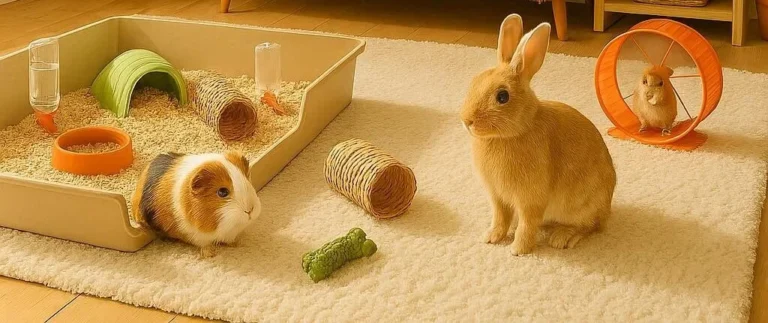
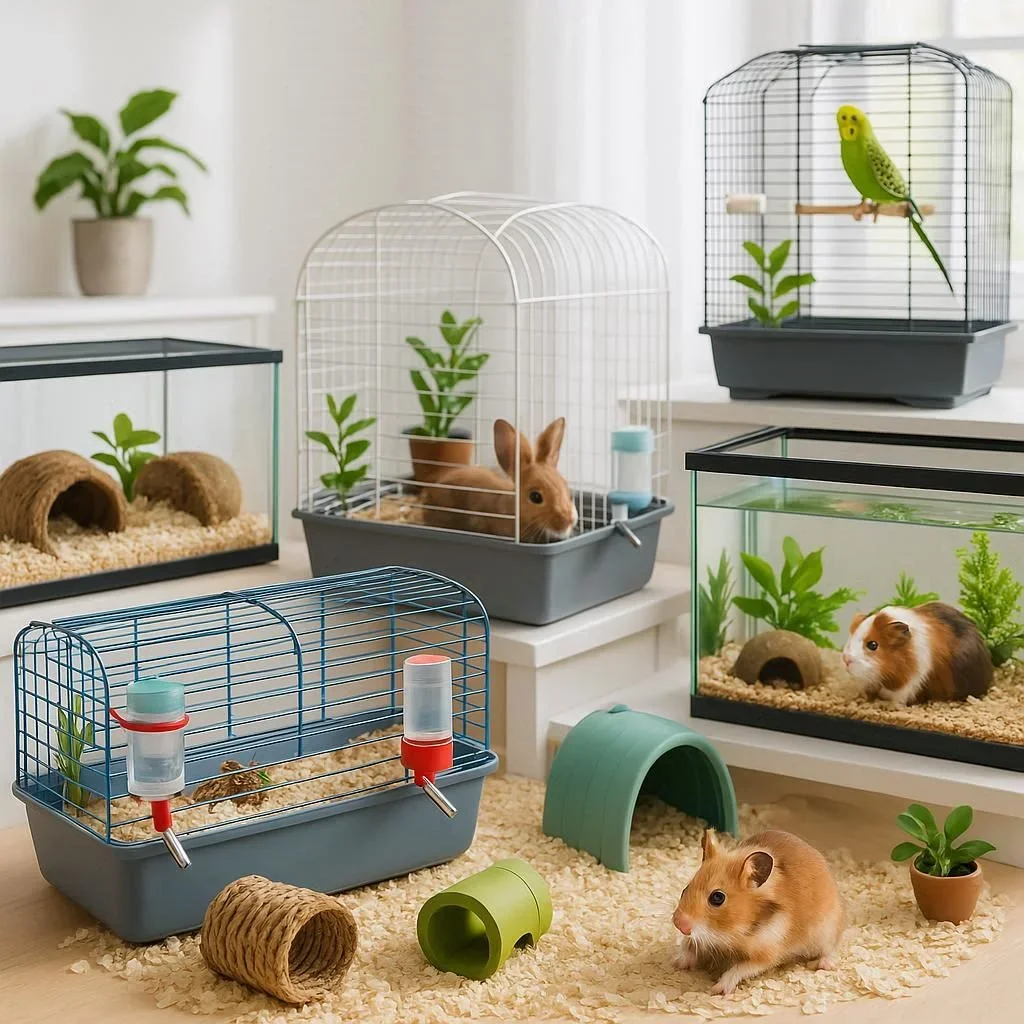
Guinea pigs, also known as Cavy, are renowned for their docile nature and engaging personalities. They thrive in pairs or small groups, providing children with an excellent opportunity to practice the basics of animal care such as feeding, grooming, and social interaction. According to the Wikipedia entry on guinea pigs, these rodents have a calm disposition but still need regular handling to build trust. Proper vet care, including routine deworming and a balanced diet of hay, fresh veggies, and specially formulated guinea pig pellets, helps maintain their health and happiness.
Their lifespan typically ranges from 4 to 7 years, allowing families a long period of shared growth and learning. Guinea pigs are especially suitable for households where children are looking for companion animals that are safe, easy to groom, and highly social. Many parents find that caring for a guinea pig reinforces empathy, patience, and consistency in younger children.
Best Small Pets for Kids: The Playful Hamster
Hamsters are another popular choice in the realm of small household pets. Their activity level makes them a fascinating choice for children who want to observe a lot of behavior in a short span. Hamsters, typically Spanish or Syrian varieties, are solitary and therefore require less social interaction compared to guinea pigs, but they still demand a daily routine of feeding, cleaning, and cage maintenance. The American Humane Society stresses the importance of supervised handling to ensure both child safety and animal well‑being.
Their short lifespans, generally 2–3 years, mean that families can experience a project from birth to maturity, which is great for learning about life cycles. Hamsters also have a lower cost of initial adoption and ongoing care, while still offering a high payoff in entertainment and rescue satisfaction. As noted by the Hamster article, they enjoy a diet of high‑quality hamster mix and fresh fruit or veggies when offered as treats.
Best Small Pets for Kids: The Friendly Rabbit
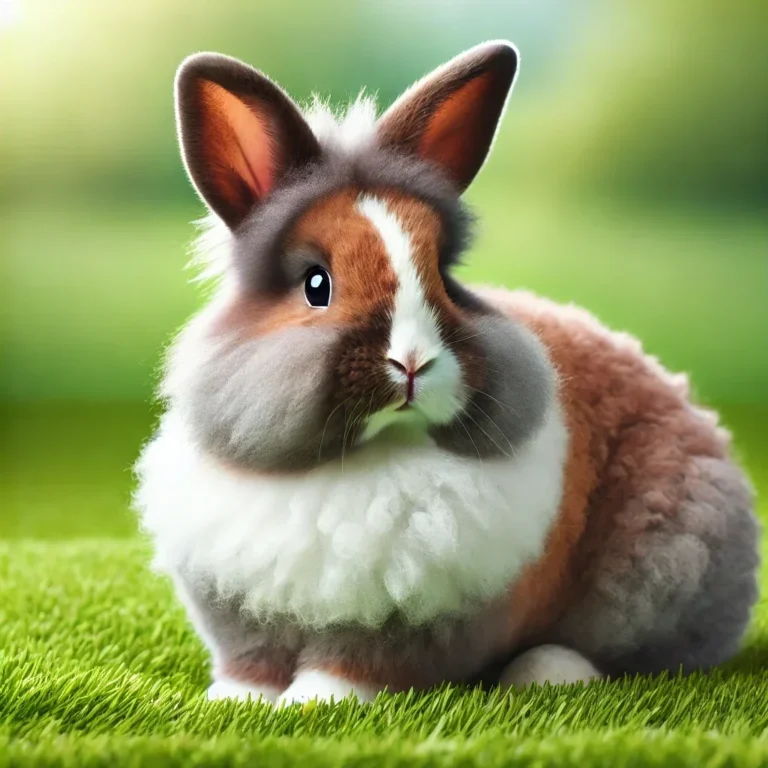
Rabbits are gentle and social, yet uniquely independent. While they require more space and a larger enclosure than guinea pigs or hamsters, rabbits provide a higher level of engagement for children who enjoy grooming and being part of a daily routine. According to the Rabbit article, rabbits thrive in a well‑filthy-free environment and need a straw or hay for digestive health. They appreciate a clean litter area for their living space, as well as opportunities to hop and play safely outdoors in a cow‑proofed area.
Educators and veterinarians note that rabbits are nitty‑gritty companions. They can become fixated on toys or other objects, introducing a fun dimension of problem‑solving for kids. Handling rabbits with care instills a sense of responsibility and respect for the animal’s needs. For families that have the space and commitment, a rabbit can be a rewarding long‑term addition, offering a natural dance‑like experience for only two or three kids.
Best Small Pets for Kids: The Quiet Tortoise
Having a tortoise in the household introduces children to unique aspects of care that differ from typical rodent or rabbit maintenance. Tortoises generally have a quiet, placid disposition and a life expectancy ranging from 10 to 30 years, which can emphasize the importance of long‑term commitment. The CDC pet safety guidelines remind families to secure appropriate temperature, humidity, and a basking area for tortoises to thrive.
In terms of daily interaction, a tortoise can be less demanding, making it suitable for children who may take on other responsibilities or who live in apartments with limited space. The tortoise’s slow pace and afternoon activity can imbue a sense of calm, offering a different pet experience compared to the high‑energy hamsters or the social guinea pigs. Children can learn about feeding schedules, the importance of a balanced diet of greens, and the value of maintaining a stable environment, thereby gaining insights into overall ecological responsibility.
Best Small Pets for Kids: Choosing the Right Fit
When deciding on the Best Small Pets for Children, families should consider several key factors. Below is a concise checklist to help evaluate each option:
- Space Requirements – Do you have an indoor enclosure or outdoor area?
- Maintenance Level – How much daily care does the pet need?
- Lifespan – Are you ready for a short or a long commitment?
- Social Needs – Does the pet require regular interaction with humans or other animals?
- Allergies – Could any family members be allergic to dander or fur?
The answer to these questions will pave the way toward a pet that harmonizes with the family’s lifestyle and your child’s developmental needs. Always start with reputable breeders or adoption shelters and consult with a veterinarian early on. The Animal Planet site, for instance, provides a AVMA list of healthy pets and best practices for small pet care.
Conclusion and Call to Action:
Integrating a small pet into your family’s life can enrich children’s emotional and cognitive development. It teaches empathy, responsibility, and the importance of caring for another being. Whether you’re leaning toward the gentle guinea pig, the exciting hamster, the friendly rabbit, or the serene tortoise, the Best Small Pets for Kids are all worthwhile additions that nurture crucial life skills.
Ready to find your family’s new best friend? Adopt responsibly today and watch your child grow alongside a lovable companion. Explore local shelters and experienced breeders, or simply start a conversation with your pediatrician about choosing the right small pet for your home.
Frequently Asked Questions
Q1. What are the best small pets for kids?
Small pets like guinea pigs, hamsters, rabbits, and tortoises are ideal for children because they are low‑maintenance, safe, and teach responsibility. Each species has different care levels that can match a family’s schedule and living space. By choosing the right pet, kids gain experience in feeding, grooming, and empathy.
Q2. How long do guinea pigs usually live?
Guinea pigs typically live between 4 and 7 years, depending on diet, environment, and veterinary care. A healthy diet of hay, fresh veggies, and pellets, plus regular check‑ups, can keep them thriving. Their lifespan allows for multiple learning experiences with a single companion.
Q3. Are hamsters safe for children to handle?
Hamsters are generally safe when handled properly. Children should learn to hold them gently, avoid abrupt movements, and supervise interactions. Regular cleaning of the cage and mindful feeding also protect both the pet and the child.
Q4. Do rabbits require a lot of space?
Rabbits need a spacious enclosure and some outdoor time in a safe, enclosed area. A large cage, vertical space for hopping, and a litter area are essential for a happy rabbit. Families with limited indoor space may consider container or compression methods to provide adequate room.
Q5. Can tortoises be kept indoors year‑round?
Many tortoise species can live indoors if you maintain proper temperature, humidity, and light. An indoor setup should include a basking area, UVB lighting, and a heated substrate. Regular diet changes, habitat cleaning, and veterinary visits are also critical for their health.