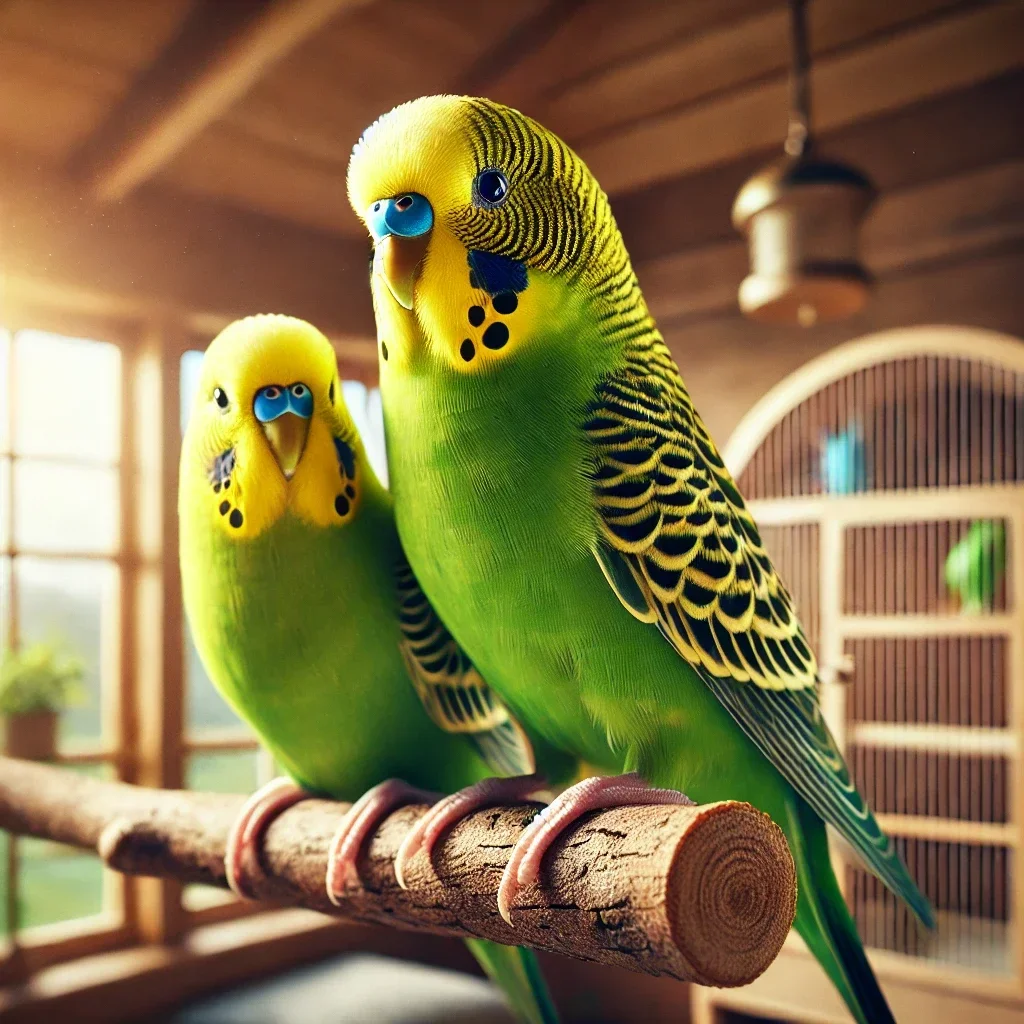
Birds That Thrive Indoors
Choosing the right bird for a household that stays indoors can be a rewarding experience, but the decision requires thoughtful consideration of the species’ natural behaviours, needs, and the living environment. Birds that thrive indoors tend to be small to medium-sized, adapt well to human interaction, and enjoy opportunities for mental stimulation. In this guide we explore the most popular indoor‑friendly varieties, how to create a welcoming habitat, and essential care practices that promote long‑term health and happiness.
Types of Indoor‑Friendly Birds
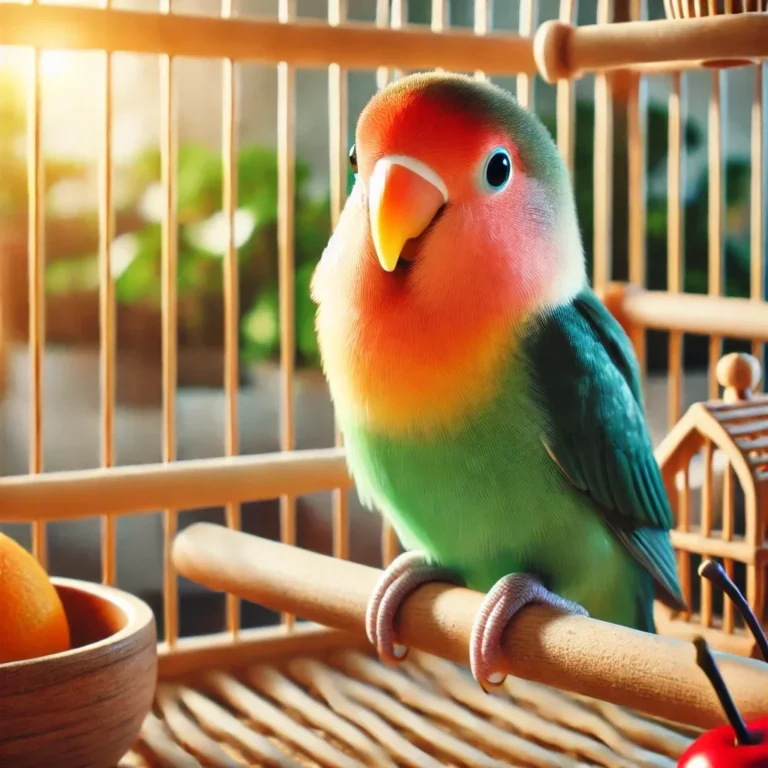
Not every bird is suited for a life inside a home. Some species, like the Poe’s finch or the Ostrich, demand extensive space and specific environmental conditions. The following list highlights the most common and adaptable pets for interior living:
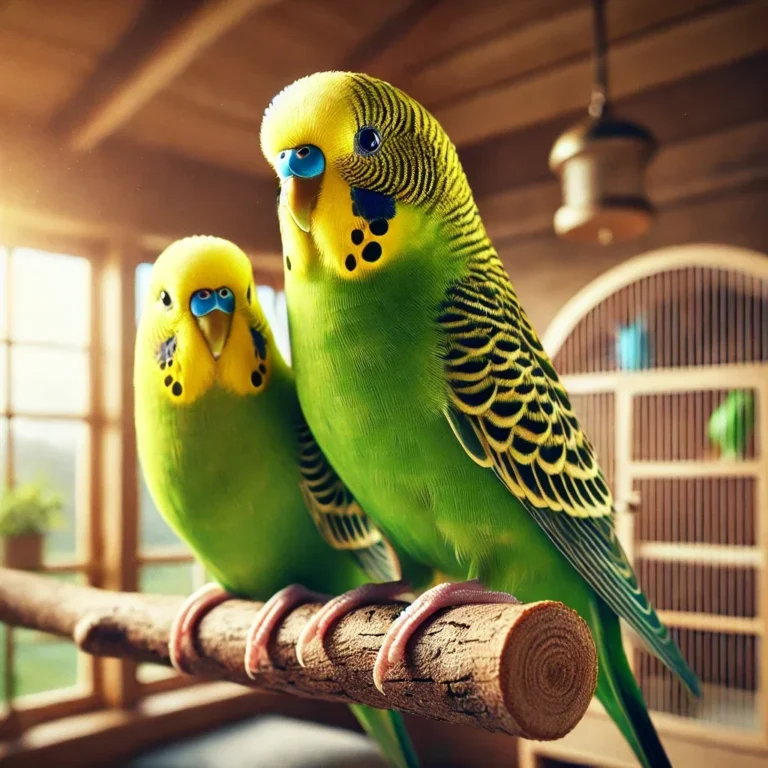
- Budgerigar (Budgie) – Small, playful, and quick learners. Ideal for beginner owners.
- African Grey Parrot – Intellectually gifted, requires cognitive enrichment and regular interaction.
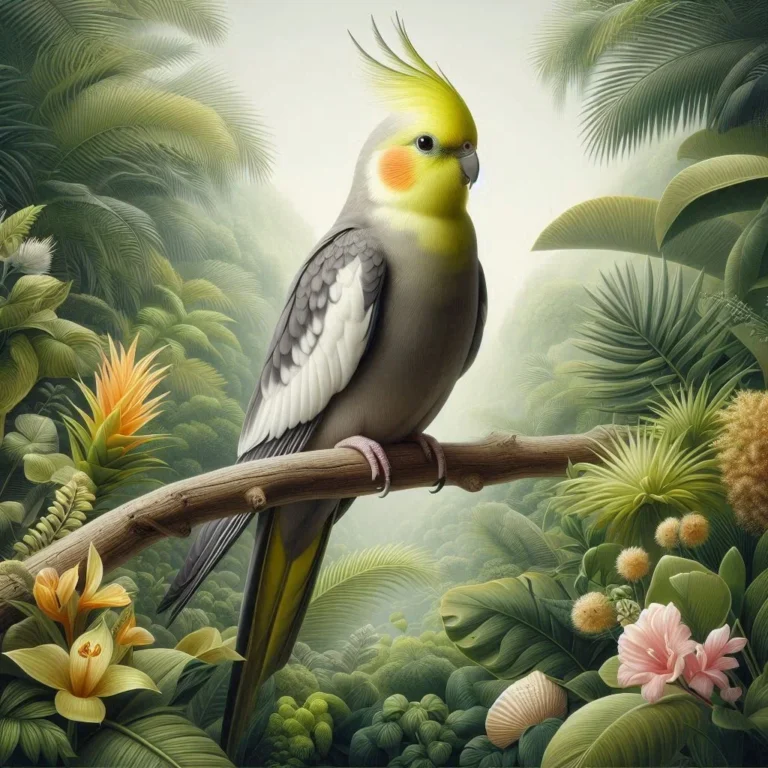
- Cockatiel – Friendly, moderate vocaliser, excels with gentle handling.
- American Goldfinch – Bright plumage, thrives on a variety of seeds and fresh fruit.
- Canary – Melodious voice, requires exposure to fresh air and a clean diet.
Each species carries unique requirements for space, light, and interaction. The key for an indoor pet is to mirror conditions that resemble their natural habitats in the best possible way within a home setting.
Housing Considerations
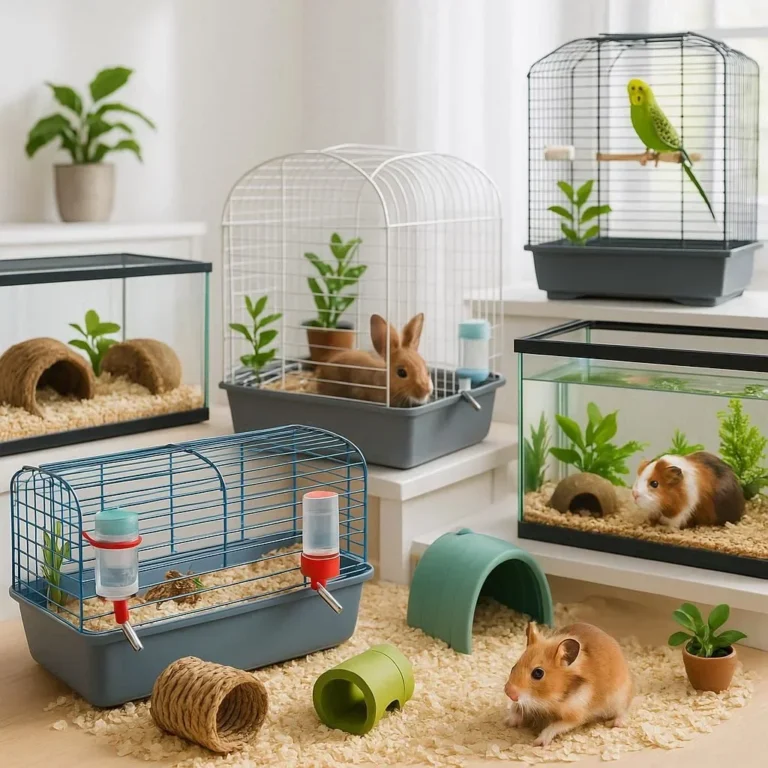
The cage is the bird’s sanctuary. It should be spacious enough for the bird to stretch its wings, equipped with a diversity of perches, and made of materials safe for birds (avoiding glue or chemical coatings).
- Size Guidelines: For example, a budgerigar needs at least a 20 × 12 × 20-inch cage, while an African Grey requires a minimum 36 × 24 × 24-inch space.
- Perches: Offer multiple perches at varying diameters. Natural wood or bamboo is preferable to avoid splinters.
- Safety: Remove belongings that may be swallowed (e.g., jewelry, small batteries). Keep windows screened to prevent accidental escape.
- Location: Place the cage in a well‑ventilated area, out of direct drafts, but with plenty of natural light. Avoid placing it near heating vents or hot tiles.
Choosing a cage that balances social visibility with privacy allows the bird to feel secure while still being part of household dynamics. Visitors to the Cornell University Bird Lab note that moderate social exposure improves a bird’s emotional well‑being.
Feeding and Nutrition
Bird nutrition is species‑specific and must focus on a balanced diet. A varied menu reduces the risk of obesity, nutrient deficiencies, and promotes feather health.
- Seeds and Pellets: High‑quality pellets are nutritionally complete for species like the budgerigar and cockatiel. Seeds should complement, not replace, pellets.
- Fresh Fruits and Vegetables: Offer washed, diced pieces of apple (without seeds), carrot, broccoli, and leafy greens. Always research each food’s safety for your specific bird.
- Protein Sources: Introduce boiled eggs, cooked peas, or legumes sparingly to meet protein needs for parrots.
- Water: Change water daily, use a shallow dish that prevents the bird from swallowing water. Some birds benefit from a water bottle that supplies filtered spring water.
The USDA provides guidance on bird diets with detailed nutrient tables – see the USDA Nutrition Resources for reference. Monitoring weight and feather condition is essential; sudden changes may signal a health issue.
Maintenance and Health
Regular care maintains a bird’s health and strengthens the human‑bird bond. Keep these essentials in mind:
- Cleaning: Scoop droppings and replace saucers daily. Wash perches and toys with mild soap twice a week.
- Vet Visits: Schedule routine examinations every 12‑18 months and immediate checks for sudden behavioural changes. Local avian clinics may provide radiographs or dental care.
- Vaccinations: Some birds benefit from specific vaccinations, like the Psittacine Viral Respiratory Disease (PsVVD) for parrots.
- Parasite Control: Conduct a weekly inspection for mites, lice, or fleas; treat promptly with veterinarian‑approved preparations.
Health logs are helpful; records of weight, food intake, and daily activity assist in spotting early warning signs. The CDC Bird Health Guide provides a checklist for monitoring common avian illnesses.
Enrichment and Bonding
Bird intelligence and natural curiosity demand stimulation. Without enrichment, birds may develop behavioural issues such as feather plucking or excessive vocalisation.
- Interactive Toys: Use puzzle feeders, rotating beads, and safe chewable toys. Replace worn items promptly.
- Training Sessions: Short, positive reinforcement sessions teach simple commands, encouraging mental sharpness. The bird training principle emphasizes consistency and reward.
- Time Outside the Cage: Provide supervised free‑flight time in a safe, bird‑proof room. Some species, like budgerigars, thrive on daily exploration.
- Social Interaction: Gentle handling, talking, and mirroring facial expressions help strengthen trust. Consistent, calm interaction reduces anxiety and builds confidence.
Incorporating regular enrichment routines aligns with the Need‑Satisfaction Theory, which argues that met environmental, social, and cognitive needs predict high welfare outcomes.
Ready to welcome a feathered friend? Whether you’re drawn to the chatter of a budgie or the soothing presence of a cockatiel, creating a supportive indoor environment not only ensures their well‑being but also enriches your home life. Explore reputable breeders or rescue organizations, consult a local avian vet, and take the first step towards sustainable bird companionship today. Embrace the joy that comes from watching a vibrant, healthy bird thrive indoors.
Frequently Asked Questions
Q1. What kind of birds are best for indoor living?
Smaller species such as budgerigars, cockatiels, and canaries make ideal indoor pets. They adapt quickly to human interaction and need moderate space.
Q2. How large should the cage be?
A budgerigar needs a minimum 20x12x20‑inch cage, while an African Grey should have at least a 36x24x24‑inch enclosure. Larger cages allow more perches and enrichment.
Q3. What should an indoor bird’s diet include?
Balanced nutrition comes from high‑quality pellets, fresh fruits and vegetables, and occasional protein sources. Avoid seeds only as the main diet and always remove unsafe foods like avocado or chocolate.
Q4. How often should I clean the bird’s cage?
Daily removal of droppings and weekly cleaning of perches and toys keep the environment sanitary. Refresh water every day and replace food every few days.
Q5. How can I provide mental stimulation for my indoor bird?
Offer puzzle toys, short training sessions, and supervised free‑flight times. Rotate toys weekly and engage in gentle handling to strengthen the bond.