Top Active Pet Bird Species
Choosing a pet bird that balances energy, charm, and manageable care can be a delightful challenge for any bird enthusiast. If you’re curious about the most active pet bird species, you’ve come to the right place. This guide dives deep into the top candidates—small creatures that will fill your home with playful chatter and keep you on your toes. From the iconic budgerigar to the sociable cockatiel, we’ll explore the traits, care requirements, and bright personalities that set these perches apart.
1. Budgerigar (Parakeet)
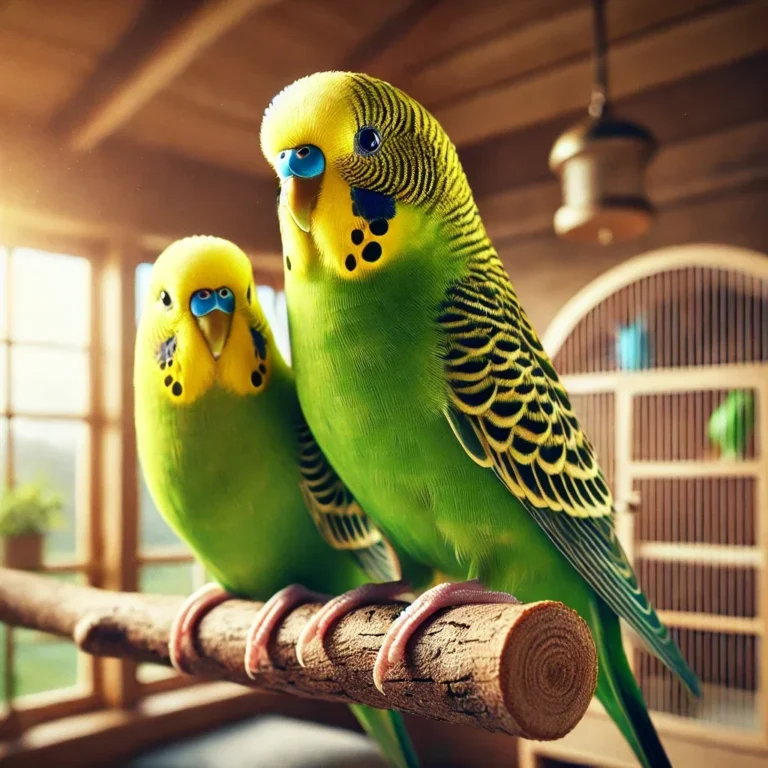
Often the first bird that pops into people’s minds, the budgerigar (Parakeet) is a lightweight, sociable species that thrives on interaction. Common on the Wikipedia page Budgerigar, these birds are renowned for their vocal abilities and fondness for talking. Budgies require daily mental stimulation—treats, puzzle toys, and gentle training can curb boredom and strengthen bonds. Their diet focuses on a mix of high‑quality seed, fresh greens, and occasional millet sprays. Adequate cage size is crucial; a 18‑inch interior width is recommended for a single adult.
2. Cockatiel
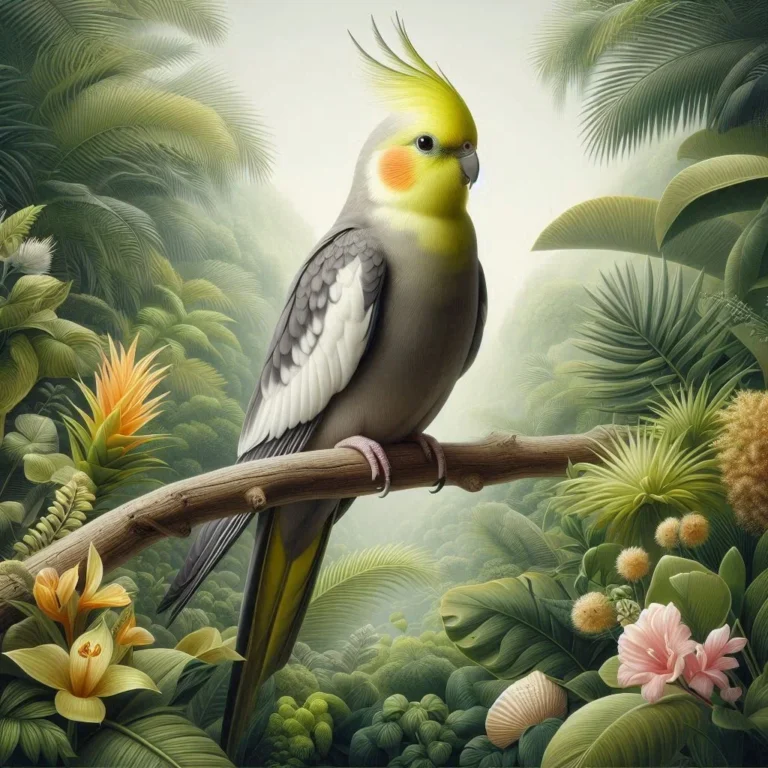
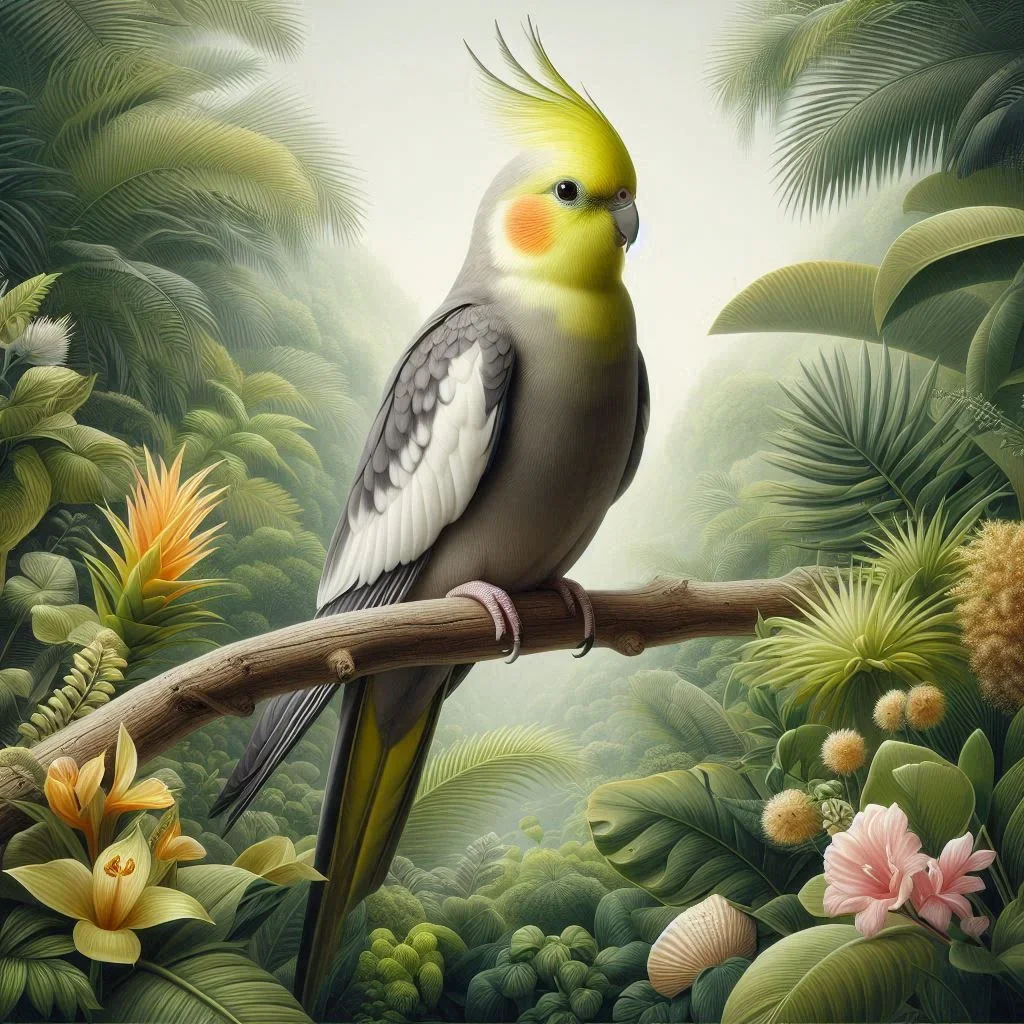
The cockatiel (Nymphicus hollandicus) offers a perfect blend of personality and versatility. According to the Encyclopedia of Birds, Cockatiel is celebrated for its affectionate nature and versatility in handling. Unlike many larger parrots, cockatiels are relatively modest in size and can adapt to various caregiver styles. They thrive on a seed‑and‑flour blend, but supplementing with fresh vegetables and occasional fruit keeps them healthy. Training a cockatiel involves consistency; even simple “step‑up” commands create a spirit of companionship. If you live in an apartment, their moderate size makes them ideal for smaller enclosures—though they still enjoy a generous daily outside‑cage time.
3. Lovebirds
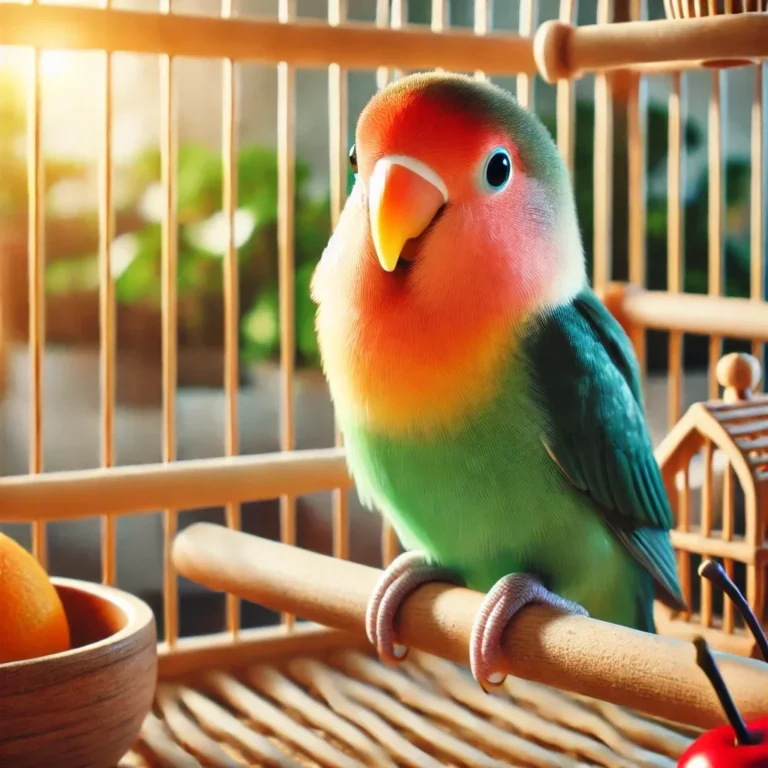
“Lovebirds” (Agapornis spp.) embody a spirited sense of affection—hence their name. They’re often seen perching side‑by‑side in the wild, an image that translates into their social nature in captivity. For a closer look, see the academic overview Agapornis on Wikipedia. Lovebirds have a quick temper when neglected; they’re notorious for pecking at unattended toys or people if they feel ignored. Their diet is relatively simple but diverse: pellets, fresh greens, and occasional fruits like apple or strawberry. Caging requirements echo those of budgerigars, but because lovebirds enjoy more active perching, ensure the cage has multiple perches, a moderately sized swing, and a hidden area for privacy.
4. Canary
While not a true parrot, the canary remains a staple of active bird enthusiasts, especially those drawn to melodic songs. The species overview on Wikipedia Canary highlights their vocal range and relative low maintenance. Canaries prefer open cages with plenty of space for short flights and perching. Their diet primarily centers on canary seed mixes, yet you can increase nutritional value with fresh vegetables and occasional vitamin drops. One vital tip: canaries are strictly solitary; mixed species housing can lead to aggression. They’re also notoriously sensitive to temperature, so the climate should remain mild and stable.
Key Traits Guide for Active Birds
- Social Interaction: Active species thrive on daily engagement; consider a dedicated training time session.
- Cage Space: Look for at least a 20‑inch interior width for budgies and lovebirds; canaries benefit from an open, airy design.
- Diet Flexibility: A balanced seed‑based diet enriched with fresh greens prevents health issues.
- Noise Considerations: If you live in a shared space, evaluate the bird’s volume—cockatiels and budgies can be vocal.
- Outdoor Time: Even small birds need supervised flight time—use safe flight cages or flights in a screened area.
Final Thoughts and How to Get Started
Choosing the right active pet bird species depends not only on the bird’s natural exuberance but also on matching that energy with your own lifestyle and commitment level. Whether you’re drawn to the talkative budgerigar, the affectionate cockatiel, the lively lovebird, or the melodic canary, each species offers a world of interaction—combined with unique care demands that will keep you engaged and rewarded.
Ready to welcome a feathered friend into your life? Explore the world of pet birds further and find the perfect companion by visiting Avian Medical Center, where you can get comprehensive guidance, product reviews, and a stepping‑stone to a thriving bird relationship.
Frequently Asked Questions
Q1. What makes a bird considered “active”?
Active birds are those that exhibit high energy levels, frequent movement, and a strong need for mental stimulation. They often require larger cage space, wing time, and interactive toys to stay healthy. If left idle, they may develop behavioral problems such as feather plucking or excessive vocalization. Owners should observe their bird’s daily activity patterns to ensure adequate enrichment.
Q2. Which species are most active among pet birds?
Among common pet birds, budgerigars, cockatiels, lovebirds, and canaries are recognized for their high activity levels. Budgies love to run on tube ladders while cockatiels enjoy short flights or perching on wide bars. Lovebirds are notoriously fast and flashy, needing plenty of space. Canaries, though smaller, are constantly perched and singing, making them lively household companions.
Q3. How much daily exercise do budgerigars need?
Budgerigars benefit from at least 30 minutes of supervised flight or perching time each day. A well‑ventilated flight cage or a safely opened window can provide this. Daily exercise reduces obesity and helps maintain strong wing and leg muscles. Consistency is key, so establishing a routine early on keeps the bird healthy.
Q4. Are lovebirds suitable for apartments?
Lovebirds can thrive in apartments, but they require ample cage space and regular stimulation due to their high activity. A cage with multiple perches and a swing helps them feel comfortable. Owners should also offer safe flight periods or a dedicated enclosure to satisfy their need for movement. Proper sound management is essential, as lovebirds can be noisy.
Q5. What precautions should I take when housing multiple active birds together?
When housing multiple birds, choose a species that tolerates social interaction or house each species in separate cages. Ensure the enclosure has plenty of perches, nesting spots, and hiding areas to allow birds to retreat. Monitor and intervene if aggression or competition for food occurs. Regular cleaning and health checks prevent disease spread among group members.